
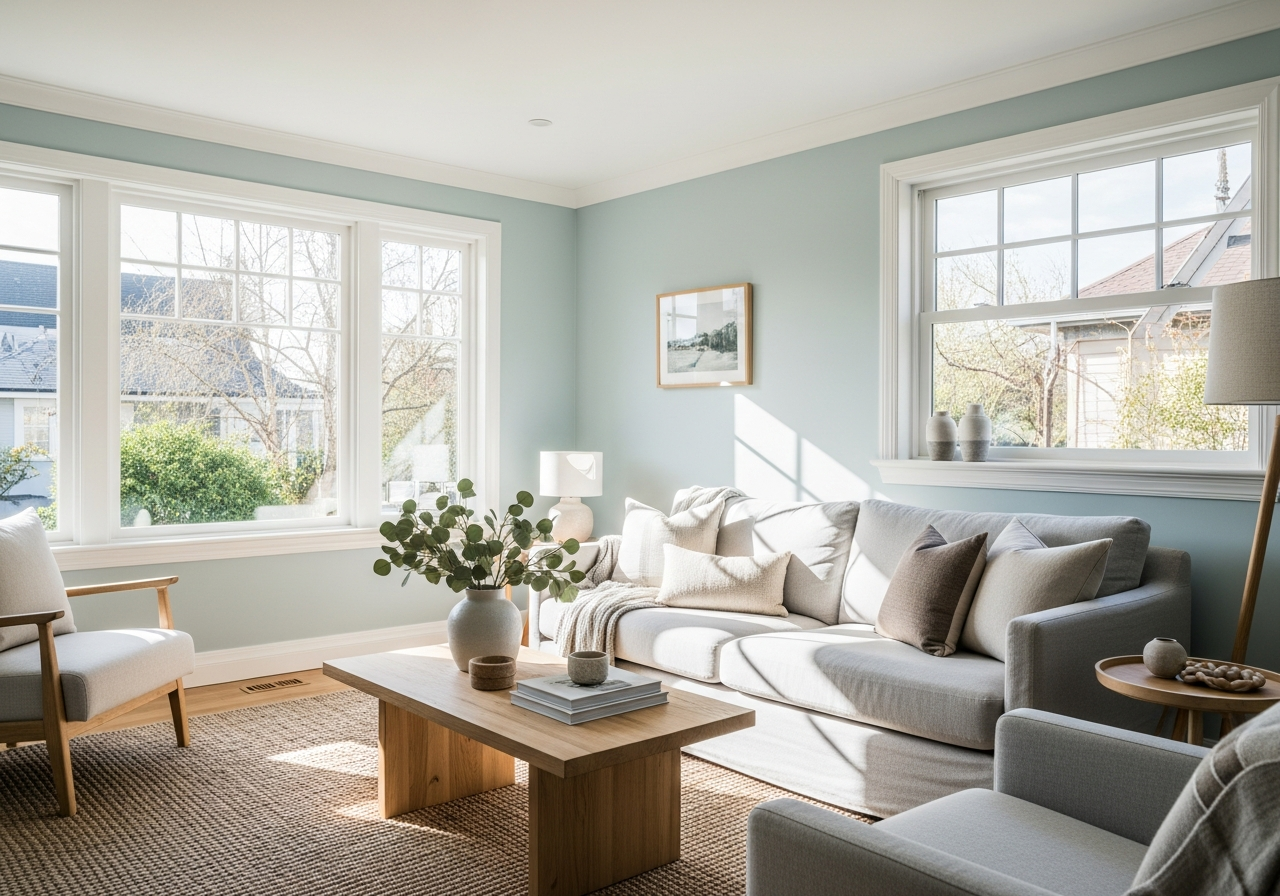

Choosing the Best Paint Color for Bright Living Room Spaces
A bright living room filled with natural sunlight is a wonderful feature in any home. However, choosing the right paint color for such a space can be tricky. Light can change how a color looks, making some shades dull or overly harsh. Picking the best paint color helps create a space that feels comfortable, stylish, and inviting. Understanding how light and color interact lets you find a shade that enhances your bright living room instead of competing with it.
1. Why Paint Color Matters in Bright Living Rooms
A bright living room can feel like a blessing or a curse depending on your paint color choice. The wrong shade can make your space feel washed out, while the right one creates a warm, inviting atmosphere that works with natural light instead of fighting against it.
Sunlight changes paint colors throughout the day. Morning light has a soft, cool blue tint, while afternoon sun tends to be warmer and more golden. This shift can make a paint color appear different as the day goes on. This effect is especially noticeable in a bright living room with large windows or glass doors.
Light exposure also plays a key role in how we perceive color. Bright light can make some colors look sharper and more vivid, while others might fade or seem harsher. For example, some pale colors can appear washed out in intense natural light, while others retain their softness.
Choosing the right paint color impacts mood and the overall feel of the room. Warm colors create a cozy, welcoming space, while cooler tones can make the room feel calm and spacious. In bright living rooms, finding a balance is important so the space doesn’t feel too overwhelming or too dull.
Ultimately, the paint color you choose should complement the natural light and create the atmosphere you want. With the right shade, your bright living room can become a perfect backdrop that enhances your home’s style and comfort.
2. Top Paint Colors That Work Best in Sun-Filled Spaces
Not all paint colors handle bright light the same way. Some fade into the background while others come alive with natural sunlight streaming through your windows. Selecting colors that respond well to sunlight helps keep your living room lively and balanced throughout the day.
Colors That Balance Bright Natural Light
- Cool Neutrals: Soft grays like Benjamin Moore’s Revere Pewter (HC-172) and warm whites such as Sherwin-Williams’ Alabaster (SW 7008) create a calm, versatile background that adjusts nicely to changing sunlight.
- Muted Earth Tones: Warm taupes and gentle greiges, like Farrow & Ball’s Elephant’s Breath (229) or Behr’s Shitake (PPU5-10), provide an earthy, grounded feel that keeps the room cozy without competing with light.
- Soft Pastels: Colors like pale blue or blush pink add subtle color without overwhelming the space. Examples include Benjamin Moore’s Palladian Blue (HC-144) and Sherwin-Williams’ Intimate White (SW 6322).
- Bold Colors: Deep blues and greens, such as Sherwin-Williams’ Naval (SW 6244) or Benjamin Moore’s Hunter Green (2041-10), hold their depth well in sunlight and add character without fading or becoming too intense.
These shades work well because they respond to bright natural light by showing depth and warmth. They help maintain harmony between the color and incoming sunlight, giving your living room a balanced and appealing look.
Colors to Avoid in Very Bright Rooms
Some paint colors do not perform well in spaces with lots of sunshine. Bright whites with a stark blue undertone can appear harsh and cold under strong light. Similarly, very pale yellows and low-saturation pastels risk looking faded or washed out as sunlight floods in.
Highly reflective colors like pure white or very light cream can cause glare and strain the eyes, making the room uncomfortable. Bright reds, oranges, or fluorescent colors tend to appear overly vivid and may clash with the natural light’s softer tones.
Avoiding these shades ensures your living room stays inviting and pleasant without feeling overly bright or dull. It’s best to choose colors that balance intensity and softness to suit the bright setting.
3. How to Test Paint Colors in Your Bright Living Room
That perfect gray you saw at the paint store might look completely different on your sun-soaked walls. Testing paint colors the right way saves you from expensive mistakes and disappointment.
One effective method is to create sample boards. Paint several large swatches on poster boards so you can easily move them around the room. This allows you to observe the color on different walls and in various lighting conditions without committing to the entire room.
Alternatively, paint small test patches directly on your living room walls. Choose spots that receive both direct sunlight and shade at different times of day. This approach gives a clear picture of how the color behaves in your actual space.
Check the color at different times—morning, midday, and evening. Weather changes like cloudy versus sunny days also affect how paint looks. Observing these variations helps you choose a shade that works well in all light conditions.
Follow the 48-hour rule by giving the paint a couple of days to dry completely before making your final decision. Colors can appear different after drying than when wet, so patience helps ensure you pick the right tone.
Creating Accurate Test Samples
- Paint at least 12″ by 12″ squares on the wall or a board.
- Use the same number of paint coats you plan to apply on the full wall.
- Label each sample clearly to track different colors or finishes.
- Move samples to different areas if testing on boards.
- Observe samples multiple times over several days for accuracy.
Conclusion
The best paint color for a bright living room is one that works with natural light to enhance the room’s warmth and comfort without washing out or overwhelming the space. Colors like cool neutrals, muted earth tones, soft pastels, and deep bolds tend to perform well. Avoid harsh whites and overly pale shades that lose depth.
Start by selecting colors that suit your style and room lighting. Test samples thoroughly on walls or boards and check them at different times of day. Take time to observe the colors in various weather to ensure lasting satisfaction. This careful approach helps create a bright living room that feels just right.