
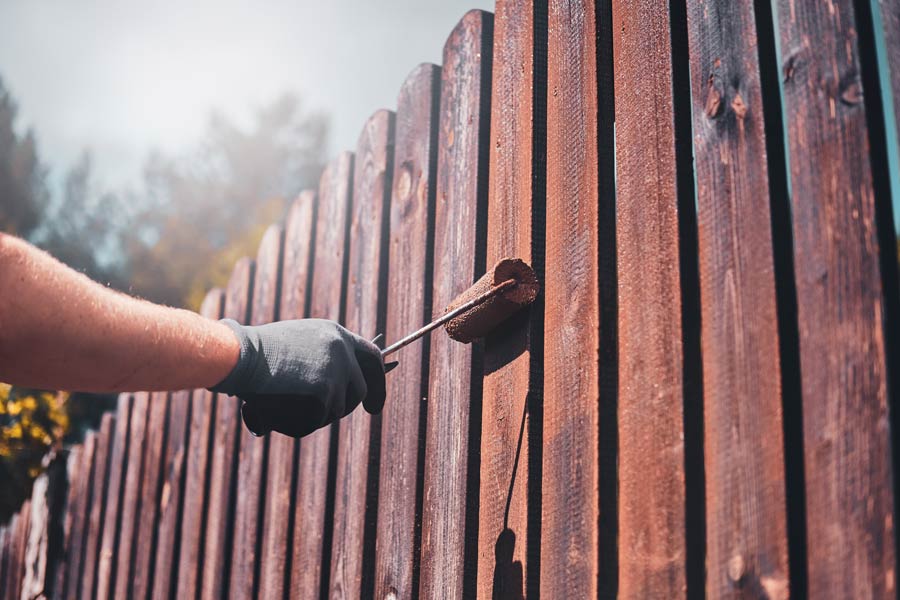
Fence Painting in Los Angeles
Fence painting is often treated as an afterthought—until a fence starts fading, cracking, warping, or pulling down the overall look of a property. In Los Angeles, fences take a constant beating from sun exposure, dry heat, coastal air in some areas, and occasional moisture. Without proper preparation and the right coatings, fence paint fails quickly and leaves wood exposed to damage.
At VanArm, fence painting is handled as protective maintenance, not a quick cosmetic refresh. We work with Los Angeles homeowners who want their fences to look clean, uniform, and well-maintained—and to stay that way for years, not months.
Why Fence Painting Matters in Los Angeles
Fences are one of the most exposed elements on a property. Unlike exterior walls, they often receive full sun all day, accelerating paint breakdown and wood deterioration.
Proper fence painting helps:
- Protect wood from sun damage and drying
- Prevent cracking, splintering, and rot
- Extend the lifespan of the fence
- Improve curb appeal and property appearance
- Maintain HOA and neighborhood standards
Painting a fence too late often turns a simple job into a repair project. Painting it correctly and on time prevents that.
Types of Fences We Paint
Fence painting is not a one-method service. The material and condition of the fence determine how it should be prepared and painted.
Wood Fences
Wood is the most common fence material in Los Angeles—and the most vulnerable. Fence painting on wood requires proper cleaning, sanding, and sealing to prevent moisture intrusion and sun damage.
Picket Fences
These fences require careful attention to detail. Drips, uneven coverage, or missed edges are immediately noticeable.
Privacy Fences
Large surface areas require even coverage and the correct application method to avoid blotchy or uneven finishes.
Previously Painted or Stained Fences
Old paint or stain must be evaluated. Painting over failing coatings leads to peeling and early failure.
Fence Painting vs Fence Staining
Homeowners often ask whether painting or staining is the better option. The answer depends on the fence condition and desired outcome.
Fence Painting:
- Provides solid, uniform color
- Offers stronger UV protection
- Covers imperfections
- Requires thorough prep
Fence Staining:
- Shows wood grain
- Penetrates wood rather than sitting on top
- Requires reapplication more often
- Less forgiving of surface flaws
We help homeowners choose based on fence condition, exposure, and maintenance expectations.
Our Fence Painting Process
Fence painting failures almost always come from skipping preparation steps. Our process focuses on durability and clean results.
Step 1: Fence Inspection
We assess the fence condition, wood health, previous coatings, and exposure to sun and moisture. This helps determine prep requirements and coating selection.
Step 2: Cleaning & Surface Prep
Proper prep may include:
- Power washing to remove dirt and old residue
- Scraping or sanding failing paint
- Repairing loose or damaged boards
- Allowing the wood to dry fully
Painting over dirty or damp wood leads to peeling.
Step 3: Priming or Sealing
Bare wood and repaired areas require sealing or priming to prevent moisture absorption and ensure adhesion.
Step 4: Fence Painting
Paint is applied evenly using the appropriate method—spray, brush, or roll—depending on fence style and surroundings. We focus on full coverage without heavy buildup.
Step 5: Final Inspection & Cleanup
We review coverage, touch up missed areas, and leave the property clean and organized.
Choosing the Right Paint for Fence Painting
Fence paint must withstand direct sun exposure and outdoor conditions. Interior or low-grade exterior paints fail quickly on fences.
We select coatings designed for:
- UV resistance
- Flexibility as wood expands and contracts
- Moisture protection
- Long-term durability
The right paint extends the life of the fence and reduces future maintenance.