
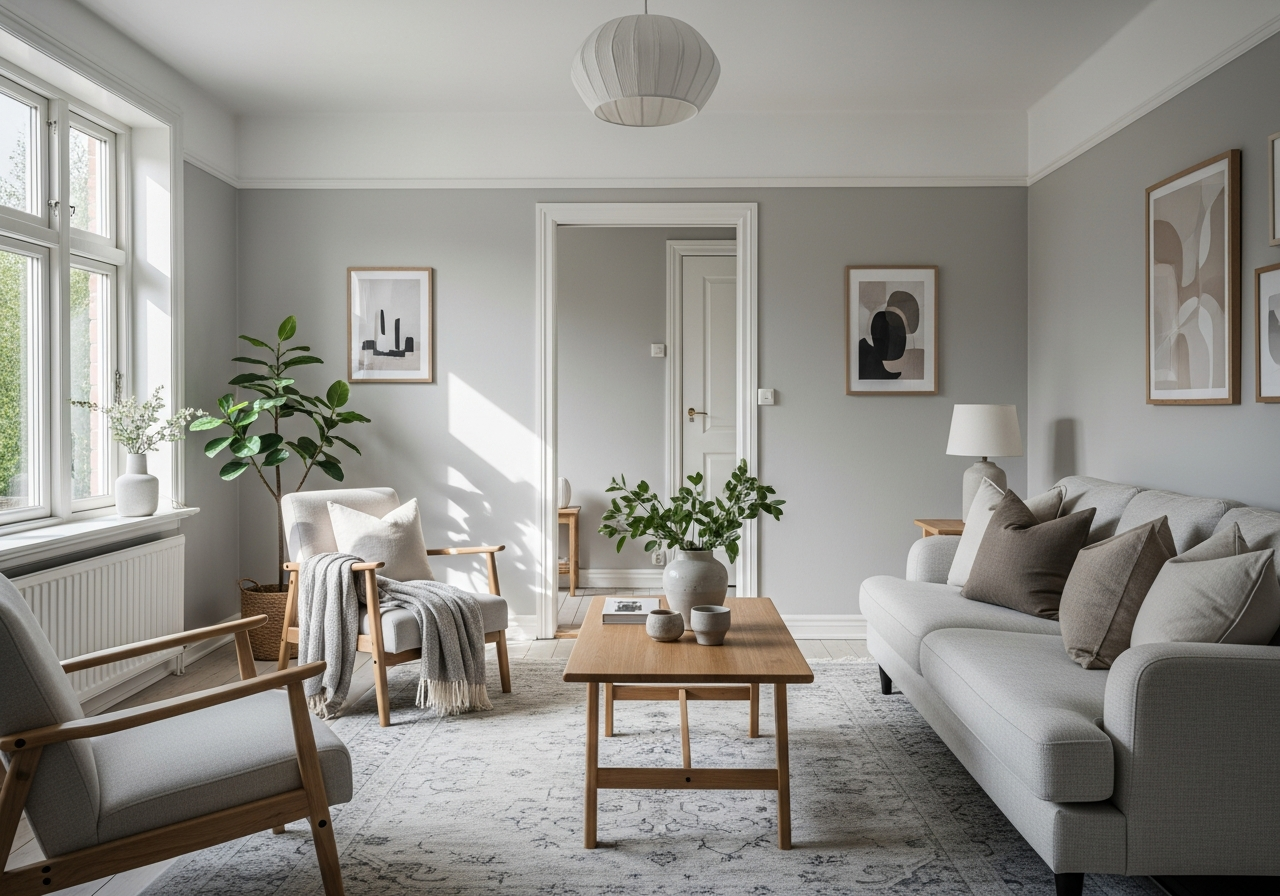

Best Color to Paint Sitting Room: Transform Your Space with the Perfect Shade
Your sitting room is more than just a space to relax; it sets the mood for everything from quiet evenings to lively gatherings. Picking the right paint color can change how large or small your room feels and affect the mood inside it. A well-chosen shade welcomes guests and helps everyone feel at home. But with so many colors out there, where do you start? This guide breaks down what makes a color work best for your sitting room and offers ideas to help you make a confident choice.
1. What Makes the Best Color to Paint Sitting Room Walls
The best color for your sitting room depends on several key factors. How big the room is, how much natural light it gets, and how you use the space all play a role. Some colors make small rooms feel open, while others bring depth to larger spaces. Light changes how paint looks throughout the day, and your lifestyle — whether you have kids, pets, or often entertain — affects what will work best. Beyond that, choosing between warm and cool tones will help set the right mood for your room.
Size and Scale Considerations
Room size is one of the first things to think about when picking paint colors. If your sitting room is small or has low ceilings, light colors help open it up. Whites, soft grays, pale blues, and light beiges reflect light and make the space feel bigger. On the other hand, large sitting rooms can handle darker colors without feeling cramped. Rich shades like charcoal, deep blues, or forest greens add coziness and create a dramatic feel without overwhelming.
Light Direction and Window Placement
How much light your sitting room gets also changes how paint looks. North-facing rooms tend to have cooler, softer light, which can make colors look bluer or darker. Warm tones like cream, soft yellows, or warm grays often work better here to add warmth. South-facing rooms get a lot of direct sunlight, which can brighten colors and sometimes wash them out. Cool tones like soft blues or muted greens usually look fresh. Remember, paint can look different in the morning, afternoon, and evening, so testing samples at different times helps.
Thinking about your room’s size and light will guide you toward colors that balance these elements for a comfortable, harmonious space. Keep your lifestyle in mind too—busy families might need durable, easy-to-clean paints in mid-tone shades that hide marks while still looking stylish. The warmth or coolness of the color influences the vibe, with warm colors feeling cozy and inviting and cool colors offering calm and freshness.
2. Top Paint Colors That Work in Any Sitting Room
Some colors stay popular because they fit so well in many spaces and styles. These timeless options suit most tastes and keep your room looking fresh through changes in decor and trends.
Classic Neutrals That Always Work
Warm whites are a safe and beautiful choice. They brighten a room without feeling cold or sterile. Shades like Benjamin Moore’s “Simply White” or Sherwin-Williams’ “Alabaster” balance warmth with brightness. When looking at whites, check their LRV (Light Reflectance Value), which shows how much light a color reflects. High LRV means more brightness, good for small or dim rooms.
Grays have become a go-to neutral because of their versatility. Popular grays like Sherwin-Williams’ “Repose Gray” or Benjamin Moore’s “Gray Owl” have undertones that complement both cool and warm furnishings. They work as backdrops for bolder accents, adding sophistication without overpowering a space.
Greige, a blend of gray and beige, offers the best of both worlds. It’s warm yet neutral, shaping a calm and cozy sitting room. Shades like Benjamin Moore’s “Edgecomb Gray” combine a gentle warmth with modern appeal.
Bold Colors Done Right
Navy blue acts almost like a neutral because of its deep, rich shade. It pairs beautifully with light woods and whites, creating an elegant and timeless atmosphere. It works well as an accent wall or in rooms with lots of natural light.
Deep greens bring a touch of nature indoors, making your room feel grounded and sophisticated. Colors like Sherwin-Williams’ “Evergreen Fog” add richness without overwhelming a space. Dark green shades often work best in larger sitting rooms or ones with ample light.
3. How Natural and Artificial Light Changes Your Paint Color
Paint colors can look very different depending on the light. What you see in the store is often not the same as what appears on your walls. Natural light shifts during the day, changing how colors appear.
In natural light, subtle undertones in paint are more visible. A gray with a hint of purple might look cool in bright daylight but warmer in the evening. East- and west-facing windows bring light at different times, casting warm glows in the morning or cooler tones later. North-facing rooms have consistent but cooler light, so colors might look less vibrant there.
Artificial lighting changes everything too. Warm bulbs make colors look softer and yellower. Cool bulbs can push colors toward blue or green. It’s smart to test paint swatches on your walls and observe how they look under your room’s lighting throughout the day. This step helps avoid surprises and ensures you’ll love your new sitting room color.
4. Popular Styles and Their Color Pairings for Sitting Rooms
Your sitting room’s style guides which colors will work best. Some colors suit modern looks, while others shine in traditional or rustic designs.
Modern Minimalist
Modern spaces often use neutral palettes with cool grays, crisp whites, or soft blues. These colors highlight clean lines and uncluttered designs. Pair them with simple furniture and metallic accents for a fresh look.
Cozy Traditional
Traditional sitting rooms welcome warm beiges, soft taupes, and rich jewel tones. These colors create a warm, inviting atmosphere where plush fabrics and classic furniture feel right at home.
Rustic and Natural
For rustic styles, earth tones like warm browns, olive greens, and muted ochres bring the outdoors inside. Paired with wooden accents and vintage materials, these shades emphasize natural beauty and comfort.
Eclectic and Bold
Eclectic rooms can handle bright, saturated colors or unexpected accents like mustard yellows, deep reds, and teal blues. When balanced with neutrals, these bold hues become striking focal points without overwhelming the room.
5. Tips for Testing and Choosing the Right Sitting Room Paint Color
Picking the perfect paint color takes some trial and error. Here’s how to make it easier and more reliable.
- Get sample pots: Buy small test jars and paint large swatches on different walls.
- Check at different times: Look at your samples in the morning, afternoon, and evening under natural and artificial light.
- Use large patches: Small patches can be misleading; bigger areas show true color better.
- Consider your furniture and decor: Bring in fabric swatches or photos to see if the color matches.
- Don’t rush: Live with the swatches for a few days before deciding.
6. Finishes and Their Effect on Sitting Room Color
The finish you choose changes how paint looks and feels on your sitting room walls.
- Matte and Flat: These finishes hide wall imperfections well and offer a soft, modern look. They are less reflective and can make colors appear deeper. Best for low-traffic rooms.
- Eggshell and Satin: Slightly shiny finishes that are easy to clean. They work well in living spaces by balancing durability with an elegant sheen.
- Semi-Gloss and Gloss: These finishes are shiny and reflect light, making colors brighter. They are durable and easy to clean but highlight imperfections more. Good for trim and doors.
7. How Color Impacts Mood in the Sitting Room
Colors affect feelings and behaviors. Choosing the right hue can turn your sitting room into a peaceful retreat or an energizing space for socializing.
- Warm Colors like yellows, reds, and oranges create energy and warmth. They are inviting and lively, good for busy families and entertaining.
- Cool Colors such as blues, greens, and purples bring calm and relaxation. These shades help reduce stress and make the room feel more spacious.
- Neutrals offer balance and flexibility. They create a peaceful backdrop that works with various styles and moods.
Conclusion
The best color to paint your sitting room depends on the room’s size, lighting, style, and how you want the space to feel. Warm tones create a cozy vibe, while cool tones offer calm and freshness. Neutrals and classic shades provide flexible, timeless options.
Start by testing paint samples on your walls at different times of day. Consider your room’s light, how you live there, and what furniture you have. Choose a finish that suits the room’s use and lifestyle to keep the color looking great for years. With these steps, you’ll find the perfect shade to transform your sitting room into a comfortable and inviting space.