
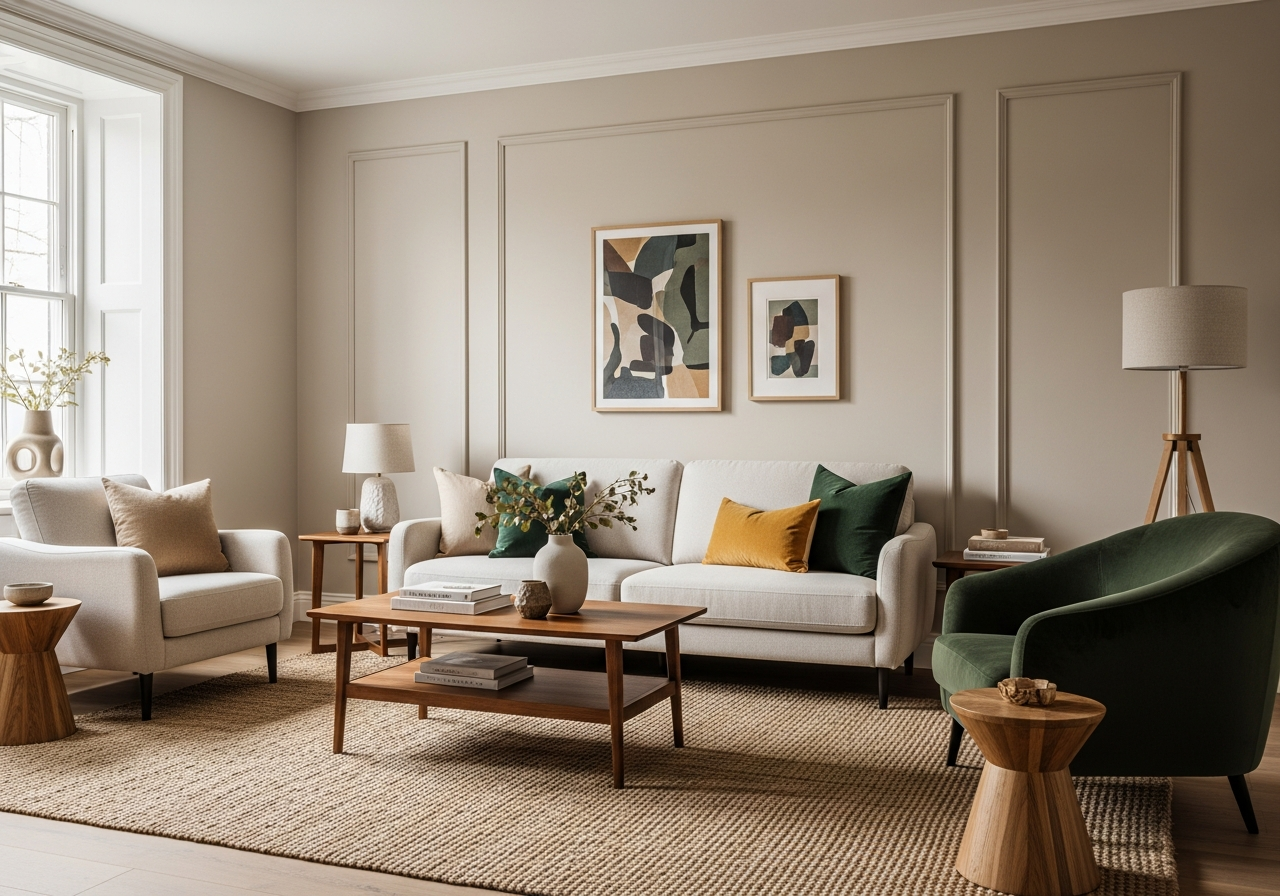

Beige Wall Paint Living Room Ideas That Actually Look Amazing
Beige often gets overlooked as a dull or safe choice, but it has a quiet charm that can transform your living room. With the right shade, beige makes a space feel larger, brighter, and more welcoming without feeling cold or sterile. Its neutral tone blends easily with many styles and colors, helping you create a calm and inviting atmosphere that suits almost any home.
Whether you want a fresh update or a flexible backdrop for your décor, beige wall paint can be surprisingly versatile. It acts as a perfect canvas to highlight furniture or bold accessories while bringing warmth and subtle sophistication. Knowing how to pick and style beige walls will open up fresh possibilities for your living room.
1. Why Beige Wall Paint Living Room Choices Work So Well
Beige often gets a bad rap as dull, but the right shade can do wonders for your living room. It helps open up smaller spaces by reflecting light, making them feel airier and more spacious. Beige also pairs beautifully with any furniture color, so you won’t be limited when adding décor or updating your style.
Neutral colors like beige have a calming effect on people. They create a soothing environment that helps you relax after a busy day. That’s why beige rooms often feel comfortable and inviting instead of stark or cold. If you’re thinking about selling your home, beige walls are a smart choice since buyers imagine their own style in a neutral space more easily than a boldly colored one.
The Science Behind Why Beige Feels So Good
Beige strikes a balance between warm and cool tones, which makes it naturally easy on the eyes. It reflects natural and artificial light softly, creating gentle shadows and highlights that add depth and interest to a room. This subtle play of light helps our brains feel calm and focused, reducing visual clutter and stress.
Because beige is close to skin tones, it feels familiar and comforting, which helps explain why many people gravitate toward it. It acts less like a wall and more like a background that supports other design elements without overwhelming them.
Beige vs. White: Which Makes Rooms Look Bigger?
White seems like the obvious choice to make a room look bigger, but beige actually beats it in many cases. Pure white tends to reflect light harshly, which can create glare and sharp contrasts that feel cold or clinical. Beige softens that light, bouncing it around the room in a warm, gentle way that adds coziness alongside space.
Additionally, white walls often show dirt and imperfections more easily than beige, especially in living rooms with kids or pets. Beige hides marks better and hides uneven surfaces, so rooms look cleaner and more polished. With beige, you get brightness without the starkness, which makes living rooms look larger and more inviting.
2. Choosing the Perfect Beige Paint for Your Space
Not all beige paints are the same, and picking the wrong one can throw off your entire room. Some beiges have pink undertones, others lean yellow or gray, and these subtle differences change the feel at different times of day. To find the best beige, you need to consider your light, flooring, and overall style.
Start by testing paint samples on a large patch of your living room wall. Look at the color in the morning, afternoon, and evening light to see how it shifts. The right beige will feel consistently warm and soft but never dull or muddy. Think about the undertones—warm beige pairs well with wood floors and reds, while cool beige suits gray floors and blues.
Popular beige paint colors from trusted brands often have undertones designed to work in various lighting situations. Choosing one tested and reviewed by many means fewer surprises.
How Natural Light Changes Your Beige
Natural light plays a huge role in how beige looks on your walls. Rooms with plenty of sunlight bring out warmer and brighter undertones, making beige feel cheerful and open. In contrast, spaces with less daylight, or shaded rooms, may show cooler or grayer tones in beige, which can help keep a dim room feeling fresh instead of gloomy.
Consider how your living room faces outside to understand shifts in light. Morning sun makes beige glow in soft pinks or peaches, while afternoon sun might pull out honey or buttery golds. Watching your sample through these changes helps pick a beige that responds well to your unique light.
North-Facing vs. South-Facing Room Colors
North-facing rooms tend to have cooler, bluer light, so beige in these spaces can look more muted or gray. To balance this effect, choose beige paints with warm undertones such as soft yellows or creams. These add a cozy glow and prevent the room from feeling too cold.
South-facing rooms get strong, warm sunlight that can make beige appear brighter or even a bit washed out. In these cases, cooler beige shades with slight pink or gray undertones work well to ground the space. This subtle contrast helps keep the room feeling comfortable without harsh warmth.
The 3 Most Foolproof Beige Paints
| Paint Name | Brand | Description | Best For |
|---|---|---|---|
| Accessible Beige | Benjamin Moore | Balanced warm beige with soft yellow undertones | Living rooms with wood floors; warm and bright spaces |
| Edgecomb Gray | Benjamin Moore | Soft, cool beige leaning towards gray | Rooms with less natural light; north-facing rooms |
| Manchester Tan | Benjamin Moore | Warm beige with subtle peach and brown hues | Creates warmth in any lighting; versatile neutral |
3. Making Beige Wall Paint Living Room Designs Pop
Beige walls provide a beautiful neutral base, but you can elevate your living room with a few smart design touches. Instead of just plain walls, add detail and texture to create a space that feels carefully designed without extra fuss.
Accent walls work great with beige. Darker shades like charcoal or navy bring strong contrast, while soft greens or muted blues add a calming effect. For a trendy look, consider wallpaper or patterned stencils on one wall to add interest without overwhelming the whole room.
Texture is another way to make beige walls exciting. Board and batten or shiplap can add depth and a farmhouse vibe that feels warm and inviting. Raised panels or molding painted beige create shadow patterns that catch the eye gently.
Beside color and texture, combine your beige walls with accessories in bold jewel tones, natural wood, or metallic accents. Colors like emerald green, burnt orange, or brass lamps pop beautifully against beige and prevent the space from feeling too muted.