

Popular Paint Options for Living Room Styles
Your living room paint sets the tone for your entire home. Choosing between a single bold color, an accent wall, or textured finishes can completely change how the space feels and behaves. The right paint style can make a room feel larger, cozier, modern, or classic. Knowing your options helps you create the mood and look that fit your personality and lifestyle.
Single Color vs. Multi-Color Approaches
Painting all the living room walls in a single color is a classic choice. It creates a uniform backdrop that can make furniture and décor stand out. A single color also visually opens the space, making it appear larger and more cohesive. This works well if you want calm and simplicity. However, multi-color approaches add energy and dimension. Using two tones on different walls or painting trim in a contrasting shade can bring interest without cluttering the view.
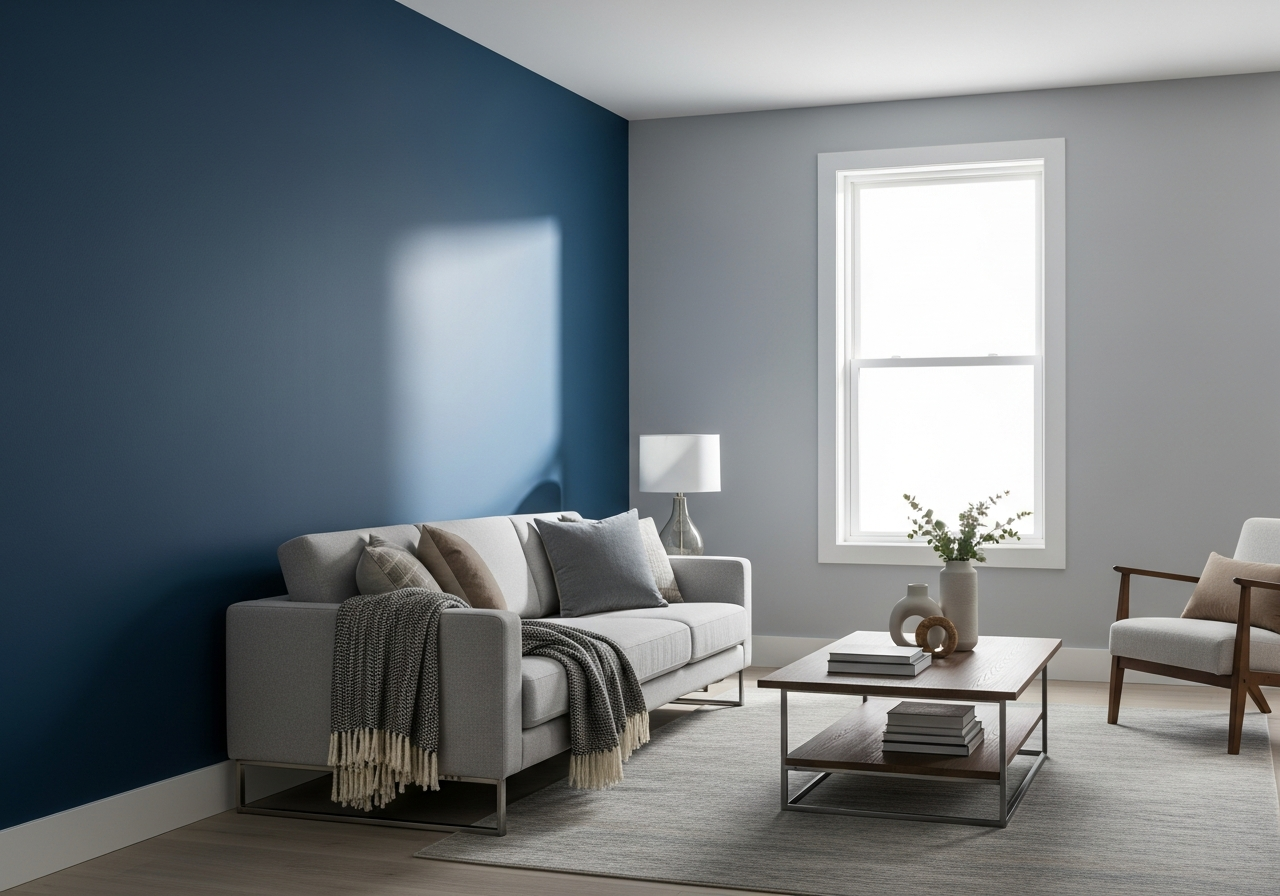
Two-tone walls often feature one main color and a coordinating secondary shade. This technique breaks up large walls or defines separate spaces within the same room. It’s a subtle way to add depth and style. For example, a light gray paired with a deep blue enhances contrast while keeping a balanced look.
When to Choose Accent Walls
Accent walls highlight a single wall with a color that stands out from the rest of the room. This draws the eye and creates a focal point without overwhelming the space. Place an accent wall behind a fireplace or TV, or use it on the longest wall to anchor the layout. Accent walls are perfect if you want to try bold colors without painting the entire room.
They are also useful in open-plan spaces where you want to visually separate areas without physical barriers. Using a textured finish on the accent wall, like a metallic or plaster effect, can make it even more striking. However, avoid painting an accent wall in a small, dark room with a heavy shade, as it could shrink the feeling of space.
Paint Finishes: Matte, Eggshell, or Satin?
Paint finishes affect both look and maintenance. A matte finish offers a soft, non-reflective surface that hides wall imperfections but can be harder to clean. It’s ideal for low-traffic living rooms. Eggshell finish has a slight sheen that adds warmth and is easier to wipe down, which works well for busy families or rooms with pets. Satin finish provides a smooth, lustrous surface that reflects some light and handles cleaning well, making it good for walls with higher use.
Choosing the right finish depends on your living room’s usage and light conditions. Glossy finishes are usually reserved for trims and doors because they show every flaw and can overpower the room if used on large surfaces.
Textured and Decorative Paint Finishes
Textured finishes add a tactile dimension to walls, making the room feel unique. Options include sponge painting, rag rolling, and stucco effects. These techniques create shadows and depth, adding interest beyond simple color. Decorative paints like metallic or pearlescent finishes shine subtly under light, creating a hint of luxury without boldness.
Textured paint can soften stark modern rooms and offer a handcrafted look in traditional spaces. However, textured walls require more effort to maintain and may not suit all décor styles.
Skirting to Ceiling Painting Techniques
Painting from skirting boards up to ceilings in one color or variations can emphasize the room’s height or length. For example, painting skirting boards and door frames in a darker shade than walls can ground the room and add sophistication. Some homeowners paint ceilings a lighter or bolder tone than walls to add surprise and detail.
The continuous color technique, where one color covers skirting, walls, and ceiling, blurs boundaries and enlarges the feeling of space. Conversely, contrasting ceiling colors can make a space feel cozy and layered.
Neutral Paint Options for Living Room Versatility
Neutrals remain popular for living rooms because they work with any furniture style and allow décor to be changed without repainting. Neutral walls provide a timeless backdrop that complements different themes, from contemporary to classic. They create a calm, inviting space that adjusts to your evolving tastes.
Understanding Warm vs. Cool Undertones
Neutrals aren’t just beige or gray; they have undertones that influence how the room feels. Warm undertones include hints of yellow, red, or brown. These make a space feel cozy, inviting, and comfortable. Warm beiges and taupes fall in this category and work well in rooms with lots of natural light to emphasize warmth.
Cool undertones often have blue, green, or gray hints. They give a crisp, clean look and can make the space feel calm and spacious. Light gray or greige with cool undertones suit modern, minimalist designs or rooms with cooler lighting.
Recognizing undertones is crucial because paint can look different depending on light and décor. Testing samples in your living room at different times of day helps pick the right match.
Best Neutrals for Small Living Rooms
For small living rooms, choosing the perfect neutral can make the space feel larger and brighter. Whites and off-whites with warm undertones reflect light well and avoid feeling sterile. Greige, a balanced mix of gray and beige, offers softness without dullness.
Light gray neutrals create a modern and airy feel but work best with plenty of natural or warm artificial light. Avoid overly dark taupes or browns, which can feel heavy in limited spaces. Lighter neutrals also let your furniture and textiles shine without competing for attention.
Bold Color Choices That Make a Statement
If you want your living room to stand out, bold colors can make a memorable impact. Deep hues like navy, forest green, or rich purple create drama and personality. These shades give the room depth and richness, turning it into a space guests remember.
Navy and Charcoal Blues for Sophistication
Navy blue is a timeless choice that conveys elegance and calm. It pairs beautifully with white trim and warm wood tones. Navy walls add depth without feeling too dark, especially in rooms with good natural light. Charcoal blue, a richer, grayer shade, can feel more modern and edgy while still offering sophistication.
These blues work well in living rooms designed for relaxing evenings or formal gatherings. Because they are strong colors, balance them with lighter furnishings and metallic accents to keep the space feeling fresh.
Forest and Sage Greens for Natural Vibes
Green paint brings life and calm by mimicking nature. Forest green adds a bold, earthy touch that grounds the room with its deep tone. Sage green is softer and more muted, providing a refreshing and peaceful atmosphere. These colors complement natural materials like wood and stone.
Using green in the living room invites relaxation and connects indoor comfort with the outdoors. They work well for bedrooms turned living rooms or spaces decorated with plants and organic textures.
Deep Purples and Plums for Luxury
Purples and plums feel rich and luxurious. They can instantly elevate a space with a sense of creativity and opulence. Deep purple walls create a cozy yet striking backdrop suitable for eclectic or vintage styles. Paired with gold or brass accents, these tones look regal and refined.
These colors are bolder and best suited for accent walls or rooms where you want to create mood and warmth. Avoid using deep purple on all walls in small rooms, as it can feel overwhelming.
When to Use Saturated Colors
Saturated, intense colors work best in rooms where natural light is plentiful and wall space is large. They can energize the space or create a strong character statement. Avoid saturated paints in cramped or low-light rooms, which can make the room feel smaller and more closed-in.
Consider your furniture and decorative elements when choosing saturated shades. If the rest of your décor is neutral or simple, a bold color adds personality without clashing. In rooms with busy patterns or multiple colors, it’s better to balance with softer paint options.
Conclusion
The best paint options for living room walls vary between neutral and bold choices, single colors or multi-color designs, and different finishes depending on your lifestyle and style. Each approach shapes the room’s atmosphere, from calm and versatile neutrals to exciting, statement-making hues.
Start by assessing your space’s natural light, room size, and your furniture style. Test paint samples on your walls before committing to a color or finish. Consider balance, and remember that painting trim or ceilings can add unexpected character. Your living room’s paint is the foundation for your home’s style, so choose colors and finishes that make you feel comfortable and inspired.