
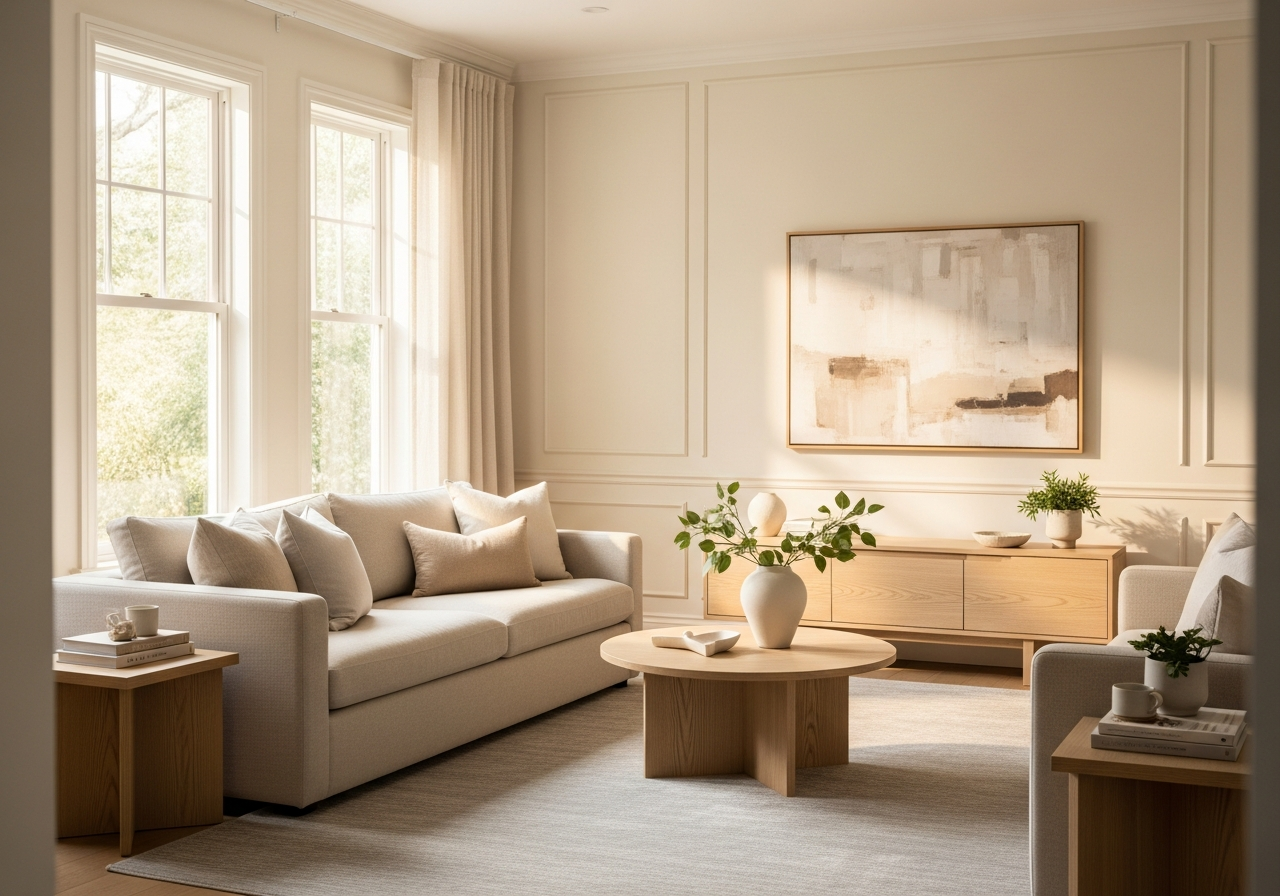

Beautiful Living Room Paint Colors That Transform Your Space
Choosing the right paint color for your living room can change the whole feel of your home. The right shade can brighten the room, add warmth, or create a calm retreat. But it’s not just about picking a favorite color. You need to think about light, your furniture, and how you use the space. With so many options, it helps to know what makes a color work well in your living room.
This guide will help you understand how to pick beautiful living room paint colors that enhance your space. You’ll learn how lighting changes colors, how to match your furniture, and what timeless shades never go out of style. Whether you want a soft neutral or a sophisticated gray, there’s a color here that can bring your room to life.
1. How to Choose Beautiful Living Room Paint Colors
Selecting the perfect paint color for your living room starts with understanding how light, furniture, and your lifestyle work together. Paint doesn’t look the same in every room, so it’s key to consider your space’s unique features before settling on a color.
Light plays a big role in how paint appears. Natural light can make colors look brighter or cooler, while artificial light changes them in different ways depending on the bulbs used. Your furniture and flooring also affect the paint color’s impact. Finally, testing samples helps you see how a shade feels at different times of day.
Assessing Your Room’s Natural Light
Rooms facing north usually get cooler, softer light. This can make colors look bluer or muted. A north-facing living room might benefit from warm paint tones to add coziness and balance the cool light. On the other hand, south-facing rooms receive warmer, brighter light for much of the day. Cool or neutral paint shades often feel fresh and crisp here.
Think about when you use your living room most. Morning light brings a warm glow to east-facing rooms, while west-facing rooms warm up in the evening. Colors can look very different at these times, so plan to check paint samples during those key hours.
Working with What You Have
Your furniture and flooring set the stage for your paint color. Pay attention to the undertones in wood, fabric, and rugs. For example, a sofa with warm beige fabric pairs well with soft browns and cream walls. If your furniture has cool gray or blue tones, paint with cool undertones will create harmony.
You can choose contrast or harmony. Contrasting colors make features pop, like painting a light wall with deep navy if your furniture is pale. Harmonious colors offer a calm feel by matching undertones and staying within a similar color family. Both approaches work well, but consistency in undertones ensures a balanced look.
Understanding Light Reflectance Value (LRV) Basics
LRV measures how much light a color reflects. A high LRV means the paint bounces light around, making a room feel airy and bright. Low LRV colors absorb light, adding depth and drama. For living rooms, look for colors with an LRV between 30 and 80 based on your lighting and mood preference.
Testing Paint Samples Before Committing
Paint a large patch on your wall before buying a whole can. Observe the color at different times—morning, afternoon, and night—to see how light changes its look. Try painting a big enough area to understand how the color covers. This step helps avoid surprises and gives you confidence in your choice.
2. Timeless Neutral Paint Colors for Any Living Room
Neutrals remain the top choice for living rooms because they create a flexible backdrop that grows with your changing style. They let your furniture and artwork take center stage and help the room feel open and inviting.
Warm whites and ivories bring a soft glow and brighten a space without feeling cold. These colors typically fall in the 60-80 LRV range. Beige and taupe offer earthier tones that ground the room in warmth. Greige, a mix of gray and beige, nails the perfect middle ground by blending warm and cool tones for balance.
Here are some timeless picks that work well in many living rooms:
Best White Paint Colors
Pure whites can feel crisp and clean but sometimes come off as stark. Warm whites add a touch of creaminess that creates a cozy, welcoming atmosphere. Benjamin Moore’s Dove Wing OC-18 is a favorite warm white. It has just enough softness to work with both traditional and modern furnishings without looking yellow.
Other options include soft off-whites with subtle undertones of pink or beige to add warmth without overpowering the space.
Beyond Basic Beige
Taupe is often overlooked but offers a rich alternative to beige. It carries gray undertones that keep it feeling fresh rather than dated. When selecting taupe, consider whether your lighting favors warmer or cooler undertones. A taupe with slight pink or red undertones lends a subtle warmth, while one with blue undertones feels cooler.
Modern beige has evolved into warmer hues that feel inviting but not dull. Look for colors that complement wood floors and natural elements in your room for a harmonious effect.
3. Beautiful Living Room Paint Colors in Gray Tones
Gray paint colors offer sophistication while staying versatile enough to pair with any décor style or color scheme. They can create calm, cozy spaces or bold, modern rooms depending on the shade and finish you pick.
Cool grays lean into blue and green undertones, making them feel refreshing and clean. Warm grays blend soft brown or taupe hues for a comforting tone. Light pewter grays are subtle and elegant, while deeper charcoal shades add drama without overwhelming the space.
Cool Grays with Blue Undertones
These grays bring a crisp feeling that works well in sunny rooms. With blue undertones, they evoke calm and pair beautifully with white trim and cool-toned furniture. They are ideal if you want a crisp, modern look without stark contrast.
Warm Grays with Green Undertones
Warm grays with just a hint of green feel earthy and natural. They offer a cozy, inviting feeling and work well with wooden furniture and plants. This subtle green touch can soften a room’s atmosphere while keeping it neutral.
Light Pewter to Charcoal Options
Light pewter grays are soft and welcoming, excellent for smaller living rooms needing a gentle lift. Charcoal grays bring depth and sophistication. Use dark gray on an accent wall to add interest or in a room with plenty of light to avoid feeling closed in.
Conclusion
Beautiful living room paint colors transform your space by balancing light, furnishings, and personal style. The right color depends on your room’s natural light, existing décor, and how you want the room to feel. Neutral colors give flexibility and timelessness, while grays offer a modern and sophisticated edge.
Start by observing your room’s lighting at different times of day. Next, consider the undertones in your furniture and flooring. Finally, test paint samples to see how colors change throughout the day. Taking these steps will help you find a paint color that truly enhances your living room.