

Choosing the Perfect Beige Color Paint for Living Room Walls
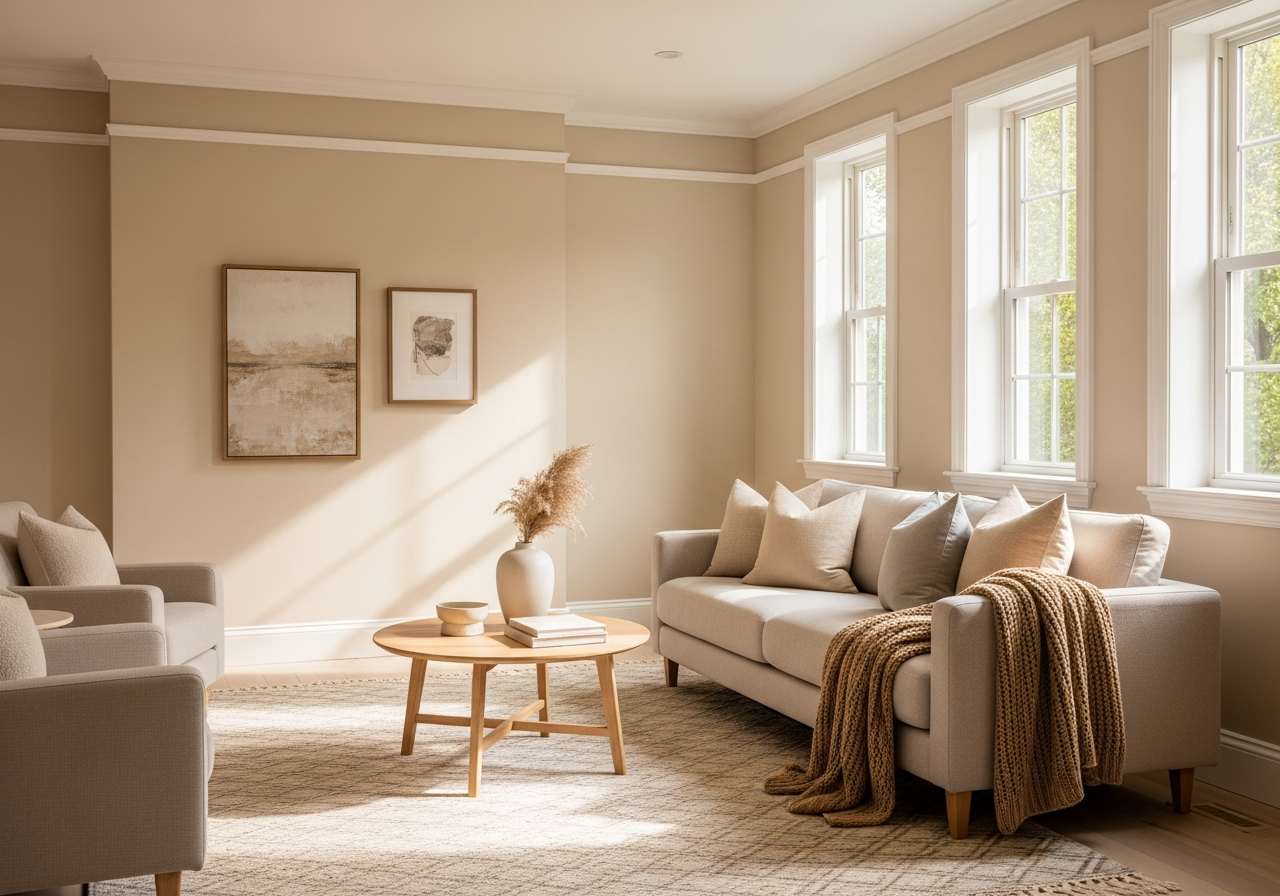
Beige color paint is a popular choice for living room walls because it offers a warm, inviting backdrop while allowing you to style your space flexibly. This neutral tone fits a wide range of decor styles, from modern to classic, giving your living room a timeless quality. Its subtle shades reflect light well, making rooms appear brighter and bigger without overwhelming the senses. Picking the right beige shade, however, depends on your room’s natural lighting and your personal style. With the right choice, beige paint can create a calm and cozy atmosphere to enjoy with family and guests.
1. Why Beige Color Paint for Living Room Walls Creates Timeless Appeal
Beige paint brings warmth to any living room without overwhelming the space. It’s the chameleon of paint colors—shifting from cozy to sophisticated based on your decor choices. Neutral tones like beige work quietly to set a balanced mood in social spaces, making them perfect for gathering and relaxing. This shade also reflects light softly, helping rooms feel spacious and open. Plus, beige’s understated hue pairs well with almost any color or style, making it easy to change your decor with the seasons or your mood.
The Psychology Behind Beige in Social Spaces
Beige has a calming effect, offering a sense of comfort and stability. Unlike bold colors, beige does not provoke strong emotional reactions. Instead, it supports a peaceful environment, encouraging conversation and relaxation. When people gather in a beige-painted living room, the neutral tones create a welcoming and non-distracting backdrop that helps everyone feel at ease. It subtly promotes connection without stealing attention from people or furnishings.
Beige vs. Other Popular Neutrals
Beige differs from other neutrals like gray or white because it adds warmth and softness. Gray tends to evoke a cooler, more modern atmosphere, which can sometimes feel stark or cold. White offers brightness but may seem too clinical or plain on its own. Beige strikes a middle ground, lending depth without heavy contrast. It plays well with both warm wood tones and cool metals, giving you more styling freedom. This middle path is why beige remains a favorite for living rooms, where comfort and style must coexist.
- Supports relaxation and socializing with its calming nature
- Reflects light evenly to open up living spaces
- Combines nicely with many decor styles and colors
- Allows easy seasonal updates without repainting
2. Types of Beige Paint: Finding Your Perfect Shade
Not all beiges are created equal—some lean pink, others pull green, and finding the right undertone makes all the difference. Your living room’s natural light will reveal which beige truly belongs on your walls. Warm beige shades bring a cozy feel, while cool beiges offer a more muted, modern vibe. Finding your perfect beige means understanding these subtle variations and how they react under different lighting and furnishings.
Warm Beige Options
Warm beige paints carry yellow, red, or peach undertones. These shades add an inviting glow to your living room and pair well with earthy accents like wood, leather, and natural fabrics. Warm beiges create a sun-kissed look that feels friendly and alive. They work beautifully in rooms with lots of sunlight or those with south or west-facing windows, enhancing the natural warmth coming in.
Cool Beige Options
Cool beige paints tend to have gray, green, or blue undertones. These provide a more subtle, sophisticated effect and suit homes with modern or minimalist styles. Cool beiges balance well with metals like chrome or brushed nickel and complement cooler-toned furniture or artwork. Rooms with north-facing windows or less natural light benefit from cool beige since it adds softness without making spaces feel dark.
Most Popular Beige Paint Colors in 2024
Paint brands continue to update their lines, but some beige tones remain favorites. Popular choices mix warm and cool undertones for versatility. Shades like “Soft Taupe,” “Classic Sand,” and “Mushroom Mist” blend easily with different decors while adding depth. Lighter beige colors are great for smaller rooms, making spaces feel more expansive, whereas deeper beige hues give large living rooms a grounded, cozy touch. Whether you want a bright neutral or one with a hint of color, there’s a beige for every style.
- Warm shades: creamy, golden, peachy beiges
- Cool shades: gray-tinted, greenish, mushroom tones
- Trend picks blend warmth and coolness for balance
- Lighter beiges open up small spaces
- Darker beiges add coziness to larger rooms
3. How Natural and Artificial Light Changes Your Beige Paint
That perfect beige from the paint store might look completely different on your living room wall at sunset. Light direction, bulb type, and time of day all transform how your paint color appears. Understanding how light interacts with paint helps you pick the right beige so you love it morning through night.
Rooms with north-facing windows tend to get cooler, softer daylight. In these spaces, warm beige paints can counterbalance the cool light, adding vital warmth. South-facing rooms enjoy more daylight, often direct sunlight, which enhances brighter, more vibrant beige hues. East and west-facing rooms get different lighting moments: mornings and evenings bring a golden glow, which can make beige look warmer. Noon light can wash out subtle tones, so testing paint samples at various times is key.
Artificial lighting also changes beige dramatically. Warm incandescent bulbs push beige colors toward the warmer side, making the paint appear cozier and richer. In contrast, LED bulbs come in various color temperatures. Cooler LEDs highlight the gray or green undertones in beige, sometimes making it look more muted or even slightly dull. Choose bulbs with a color temperature that matches the mood you want to create—soft whites for warmth or daylight bulbs for brightness.
- North-facing rooms benefit from warm beige to add coziness
- South-facing rooms work well with brighter, warmer beiges
- East/west light changes beige tone throughout the day
- Incandescent bulbs warm up beige colors
- Cool LED bulbs emphasize cool undertones in beige
Conclusion
Beige paint for living room walls offers a timeless, warm backdrop that suits many styles and moods. Choosing the right beige means considering undertones and how light interacts with your space.
Start by testing paint samples under your living room’s natural and artificial lighting. Pay attention to undertones to match your furniture and desired atmosphere. Finally, select a shade that supports easy decor changes and offers a cozy, inviting feel for everyone who enters.