
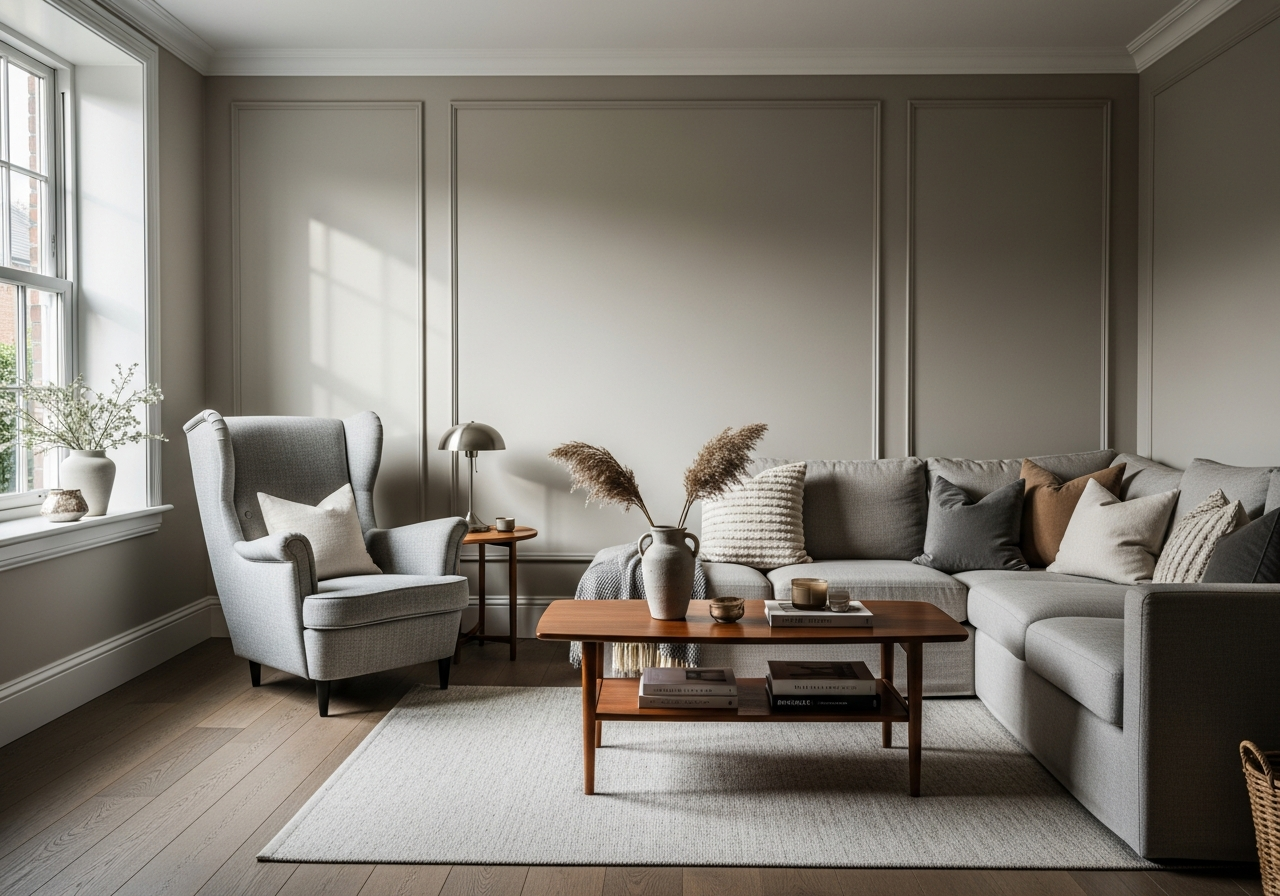

What Makes Mushroom Colour Paint Perfect for Living Rooms
Mushroom paint brings a soft, earthy warmth that makes any living room feel like a cozy retreat. It stands out as a versatile neutral that offers more depth and personality than basic beige or gray. This paint color strikes a balance between warmth and subtlety, creating a space that’s inviting without overwhelming.
The psychology behind mushroom tones plays a big role in why they work so well in living rooms. These hues evoke a sense of calm and grounding, creating an environment that encourages relaxation and connection. Unlike cooler shades that can feel sterile, mushroom colors provide an organic, serene atmosphere that comforts those who spend time in the room.
What sets mushroom apart from other neutrals like gray and beige is its remarkable flexibility. While gray can feel cold and beige sometimes too plain, mushroom paints offer a warm neutral that adjusts beautifully to the changing light. It gains soft golden or muted pink highlights as natural light shifts throughout the day, making the room feel alive and welcoming morning through evening.
This color also bridges traditional and modern decorating styles effortlessly. Whether your living room features classic wood furniture and vintage textiles or sleek minimalist lines, mushroom paint serves as an elegant backdrop. It enhances both ornate and simple decor without pulling attention away from your favorite pieces.
The Mushroom Color Family Explained
The mushroom palette includes a range of warm and cool tones, each bringing subtle differences to a room’s mood. Warm mushrooms lean towards beige and light brown shades with reddish or peachy undertones. These create a snug, almost autumnal feeling. Cool mushrooms, by contrast, include touches of gray or taupe, offering a more muted and sophisticated vibe.
Undertones make all the difference when choosing mushroom shades. Some have pink undertones, which brighten a room and add gentle warmth. Others pull a little green, introducing earthy depth that pairs well with natural plants. Brown undertones tend to ground the space firmly, creating a rich, comforting environment. Being aware of these subtle differences helps you find the perfect mushroom tone for your living room’s personality.
Why Designers Love This Shade
Designers favor mushroom colors because they add depth without heaviness. Unlike stark whites or grays, mushroom paint layers warmth and softness within the wall color itself. This quality allows rooms to feel intimate but not dark or enclosed.
Another reason designers choose mushroom is its ability to act as a perfect backdrop for art and furniture. It enhances colors and textures without clashing or stealing focus. Bright artwork seems more vivid, while wooden and upholstered furniture appears richer against a mushroom wall. This balance makes mushroom an ideal backdrop for showcasing your curated living room style.
Choosing the Right Mushroom Paint Shade for Your Space
Not all mushroom paints are created equal. The perfect shade depends on your room’s natural light, size, and existing furniture. Choosing wisely ensures your living room will feel just right, neither too dull nor too bold.
When testing paint samples, don’t just look at a small swatch on the wall. Paint a larger patch, about a square foot or more, so you can see how the color changes throughout the day. Observe it in morning light, midday sun, and artificial light after dark. This practice reveals the full personality of each mushroom shade in your space.
Undertones can either warm up or cool down a mushroom paint, so watching how they appear under different lighting matters. For example, some mushroom colors may look perfect in bright daylight but turn cold or muddy in dimmer or artificial light. Paying attention to these subtle shifts helps you avoid surprises.
Flooring plays a big role in how mushroom paint reads. Light wood floors highlight the warmth of mushroom tones, creating a sunny, airy feel. Dark floors add contrast, making mushroom walls anchor the room with cozy richness. Matching paint to your flooring ensures the whole space feels balanced and intentional.
Room size and ceiling height also influence which mushroom tone works best. In smaller rooms with low ceilings, lighter mushroom shades help open up space and keep it feeling fresh. Bigger rooms with high ceilings can handle deeper, richer mushroom hues without feeling cramped.
Natural Light vs Artificial Light Impact
Rooms facing north benefit from warmer mushroom paints because they receive cooler, indirect light. Warmer tones add needed brightness and warmth, softening the cooler daylight.
South-facing rooms enjoy warmer, direct sunlight all day. In these spaces, cooler mushroom tones with gray or taupe undertones help balance the strong sun exposure. They keep rooms feeling calm and not overly warm or yellow.
Coordinating with Existing Elements
Matching mushroom paint with wood tones can enhance the natural beauty of both. Mushroom pairs beautifully with oak, mahogany, and walnut floors or furniture, creating a harmonious earthy look. When working with lighter woods like maple or birch, choose mushroom paints with softer, lighter undertones for balance.
Your upholstery and rugs also influence mushroom’s effect. Warm mushroom walls work well with beige, cream, or rust-colored fabrics, producing a cozy feel. Cooler mushrooms complement gray, blue, or green textiles for a serene atmosphere. Taking time to consider all these elements results in a living room that feels deliberate and comfortable.
Popular Mushroom Paint Colors from Top Brands
Save yourself endless trips to the paint store by starting with some reputable mushroom tones from trusted brands. These colors have been tested by designers and homeowners alike for their rich, adaptable qualities.
One popular shade is “Mushroom Cap,” a warm mushroom with subtle pink undertones that add warmth without being overpowering. It pairs well with both traditional and modern interiors and coordinates beautifully with wood floors and cream furnishings.
For something cooler, “Soft Mushroom” offers a muted taupe base with gentle gray undertones. It’s a great choice for south-facing rooms that need a neutral shade to balance sunlight. This color works well in minimalist spaces, highlighting clean lines and natural textures.
“Earthy Mushroom” is a deeper, richer shade featuring brown undertones. This paint creates a cozy, grounded feeling that’s perfect for larger living rooms with tall ceilings. It complements darker woods and jewel-toned furniture to create an inviting, dramatic space.
Many brands now offer mushroom shades that include zero-VOC options, allowing you to create a healthy home environment without compromising style or color quality. Testing a few samples from top brands helps you find the right tone for your unique living room setting.
Conclusion
Mushroom colour paint is a warm, inviting neutral perfect for living rooms. It blends earthy tones with subtle undertones, creating a calm, balanced atmosphere that works with many decor styles.
To choose the right shade, consider your room’s natural light, floor color, and furnishings. Test paint samples throughout the day under different lighting. Finally, coordinate the mushroom tone with your space’s elements for harmony and comfort.