
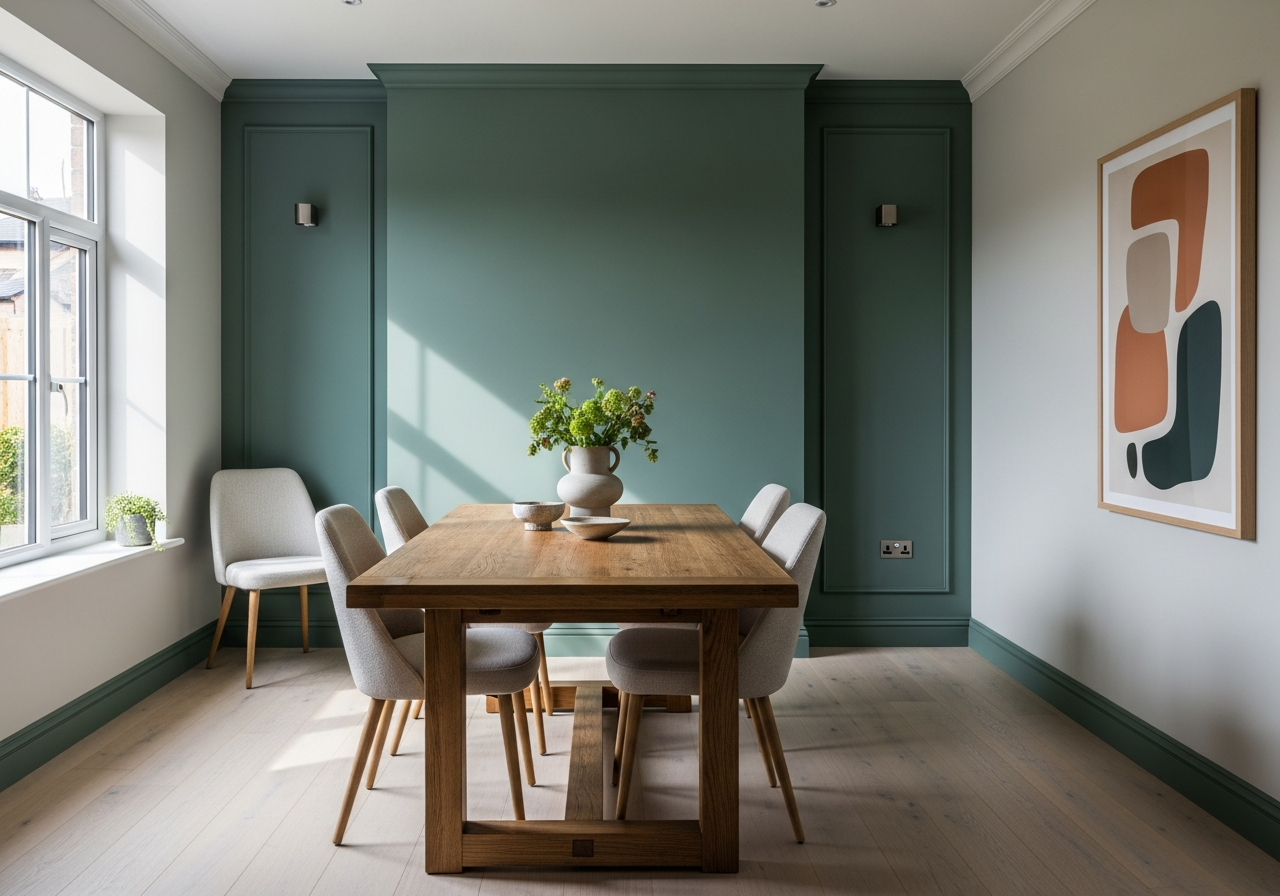

Why the Best Color to Paint Dining Room Matters More Than You Think
The color you choose for your dining room walls does more than just fill space. It shapes how you feel when you eat, how guests behave, and even how the room’s size comes across. Certain colors can stimulate appetite, create warmth, and invite conversation, while others may reduce hunger or make the room feel cold and unwelcoming.
When you pick the right paint color, you help set the mood for mealtime. It can encourage people to stay longer or finish faster, affecting the overall dining experience. This is why the best color for your dining room matters so much—it’s about more than looks; it influences how the space functions.
The Science Behind Color and Appetite
Colors can trigger physical reactions. Warm colors like reds, oranges, and yellows tend to increase appetite by stimulating the brain and speeding up heart rate. This is why many restaurants use these tones—to encourage customers to eat and enjoy their meals.
On the other hand, cool tones such as blue and green often suppress hunger. Blue is rarely found in natural foods, so it can act as an appetite suppressant. Using cool colors in the dining room can calm guests and slow down their eating pace, which might be ideal for a more relaxed atmosphere.
You don’t have to use bright reds to apply this knowledge. Soft, warm hues can subtly boost appetite without overwhelming the space.
How Paint Color Changes Room Perception
Color also affects how big or small a room feels. Darker paint colors make walls appear closer, creating a sense of intimacy. This works well in large dining rooms where a cozy mood might be desired.
On the other side, light colors reflect more light and expand the space visually. Whites, creams, and light grays can make a small dining room feel open and airy. These shades promote brightness and cleanliness, helping a cramped dining area feel more inviting.
Choosing dark or light should depend on your room size and the mood you want. The best color for your dining room will balance size perception and ambience to suit your needs.
Top Paint Colors That Work in Any Dining Room
Though paint trends fluctuate, some colors consistently deliver beautiful dining rooms. These timeless options suit a range of styles and bring unique benefits that elevate the dining experience.
Navy blue offers a sophisticated yet welcoming feel. It’s deep and rich without being heavy, making it perfect for dining areas where you want elegance and warmth. It pairs well with light woods and metallic accents.
Warm grays are gaining popularity as versatile neutrals. Unlike cooler grays, warm grays add comfort through subtle brown or beige undertones. They create a gentle, cozy background that supports a variety of décor styles.
Sage green refreshes the room with its natural vibe. It’s soft but colorful, bringing outdoor tranquility inside. It works well in both modern and classic dining rooms.
Soft whites and creams remain favorites for their timeless appeal. These tones brighten the room and layer beautifully with brighter accent colors or different textures.
Terracotta and other warm earth tones introduce a grounded, cozy feel. Their warm undertones invite lingering dinners and casual conversation.
Classic Neutrals That Never Fail
Choosing a classic neutral gives you flexibility. Popular paint colors from trusted brands include:
- Benjamin Moore Revere Pewter: a warm gray that suits medium to large dining spaces.
- Sherwin-Williams Alabaster: a creamy white that widens smaller rooms.
- Behr Swiss Coffee: a soft off-white perfect for traditional settings.
These shades adapt well to different lighting conditions and furniture choices. They are ideal if you want your dining room color to last for years without feeling dated.
Bold Colors for Statement Dining Rooms
Bold colors can make your dining room stand out. Navy or deep greens create drama and sophistication. Use these darker hues if your room has generous natural light to avoid feeling too enclosed.
For those hesitant to paint all walls boldly, an accent wall offers a compromise. It adds visual interest without overpowering the space. Accent walls also highlight architectural features or artwork.
Go full-on bold if you want a cozy, enveloping space. An all-dark room paired with warm lighting and textured fabrics can feel like a private dining lounge.
How Natural and Artificial Light Changes Your Paint Choice
Light changes the way paint colors appear. A shade that looks perfect in the store can look very different once on your dining room walls. It’s important to factor in both natural and artificial light when selecting your paint.
Natural light varies depending on your room’s direction and window size. Northern-facing rooms get cooler, blueish light throughout the day. Southern-facing rooms receive warmer, brighter light. East-facing rooms enjoy morning light, while west-facing rooms are bathed in rich afternoon hues.
These differences affect your paint color’s undertones. For example, a warm beige may seem yellowish in northern light but glow beautifully in southern light.
Artificial lighting also alters color perception. Incandescent bulbs add a warm, golden tint. Fluorescent lights give cooler, bluish tones. LEDs can mimic natural light well but vary according to their color temperature rating.
Testing paint samples on different walls and checking them at various times of day is crucial. This helps you truly see what your chosen color will look like once your dining room is fully lit.
Conclusion
The best color to paint your dining room is the one that fits your mood, space, and lighting. It plays a key role in appetite, conversation, and how the room feels overall. Warm colors can stimulate hunger and intimacy, while lighter shades open up smaller areas.
Consider classic neutrals like warm grays or soft whites if you want a safe, lasting choice. Bold colors such as navy or terracotta work well for statement-making rooms.
Ensure you test paint samples under your dining room’s actual lighting. Observe colors in natural daylight and under your artificial bulbs before finalizing your decision.
Pick a color that feels right to you and complements your furniture and style. This way, your dining room becomes a space you and your guests will enjoy for years.