
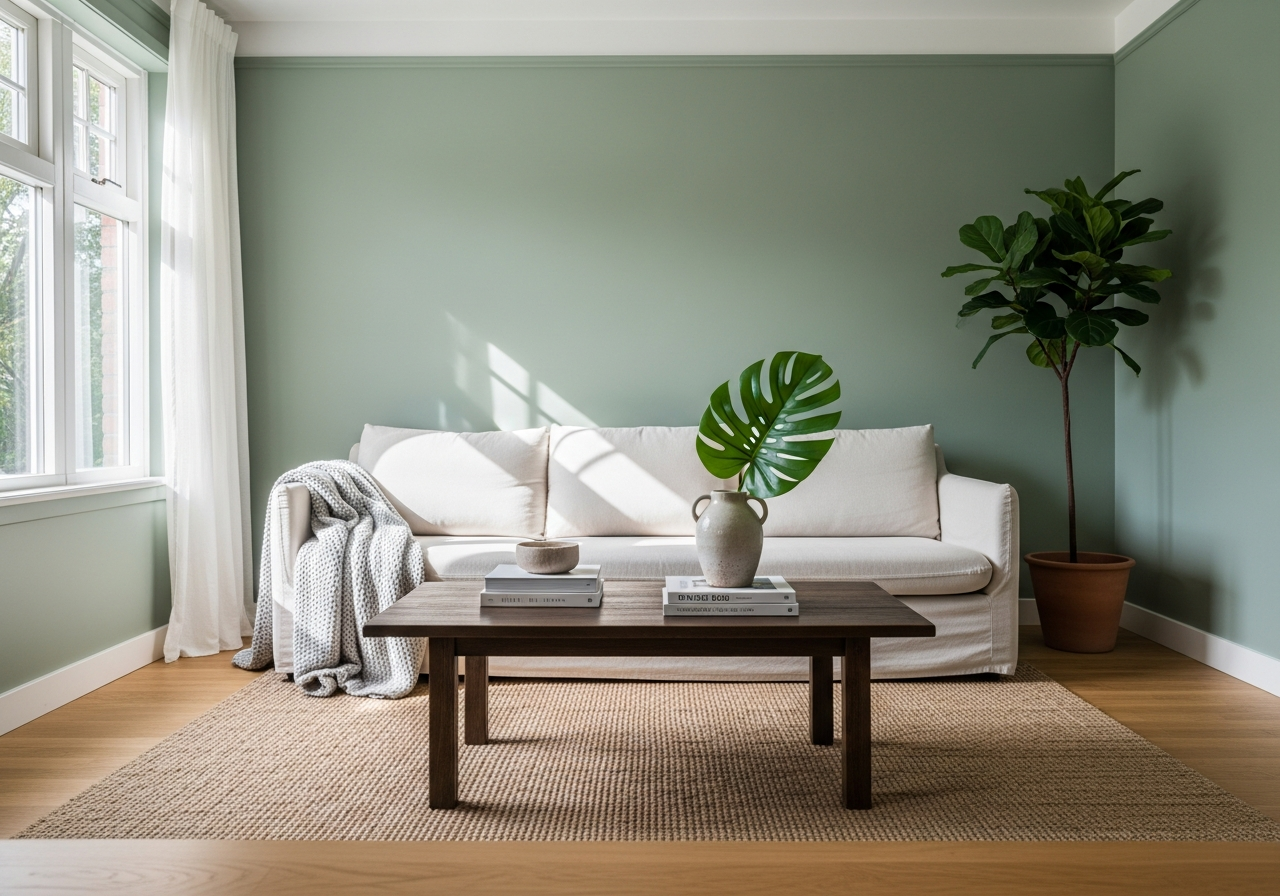

Why Green Paint for Living Room Walls Creates the Perfect Atmosphere
Green paint brings the calming feeling of nature right into your home while making your living room feel fresh and inviting. From soft sage to bold emerald, there is a green shade that fits every style and mood. Green has long been associated with balance, growth, and tranquility, making it a smart choice for areas where you want to relax or entertain.
The color green stands apart because it creates a soothing atmosphere that can reduce stress and boost comfort. It achieves this by echoing the hues we often find outdoors—trees, grass, and plants—which are naturally calming for our minds. When you paint your living room walls green, you invite this peaceful and fresh presence inside.
The Psychology Behind Green Walls
Green taps into our need for harmony. Psychologists note that green can improve focus, calm nerves, and help people feel more centered in their surroundings. It strikes a balance between the stimulating energy of warmer colors and the cool tranquility of blues. This blend means green can both energize and relax, depending on its shade and intensity.
In a living room, a green wall can create a welcoming vibe without overwhelming your senses. Shades like sage or mint evoke softness and calm, making spaces feel open and airy. Darker greens, such as forest or emerald, suggest richness and depth, adding sophistication and coziness.
Green Paint vs Other Popular Living Room Colors
While colors like gray, beige, or white dominate as neutral choices, green offers a unique middle ground. It brings life to the walls without being too loud or distracting. Compared to blue, which is often cooler and more distant, green feels warmer and more nurturing. Against warmer tones like terracotta or yellow, green adds balance without clashing.
Green’s versatility means it complements diverse styles—from the crisp lines of modern design to the storybook charm of cottage or farmhouse looks. It also pairs beautifully with natural materials like wood, stone, and plants, further blurring the line between indoors and outdoors.
This ability to work with different design moods and the mind’s positive response to it explains why green remains a sought-after color for living room walls. It helps create spaces that feel fresh, balanced, and welcoming for everyone who walks through the door.
Choosing the Right Shade of Green Paint for Living Room Walls
Picking the perfect green isn’t just about your favorite color—it’s about how that shade works with your room’s size, lighting, and existing decor. The wrong green can make a room feel smaller, colder, or mismatched, while the right green pulls everything together beautifully.
Start by understanding that green paint comes in many tones and depths. Light greens like mint, sage, or pistachio can brighten a space and make it feel larger. Darker greens such as emerald or hunter add drama and depth but may require careful balance to avoid overwhelming a smaller room.
Popular Green Paint Shades for Every Style
Soft greens offer gentle, modern elegance and play well with neutral furnishings. Sage green has become a favorite thanks to its muted, subtle tones that match wood furniture and natural textures. For a bold, luxurious feel, emerald or forest green add richness, pairing well with brass accents and deep wood.
Olive green, with its yellow undertones, can lend an earthy warmth perfect for rustic or bohemian spaces. Seafoam and mint greens bring fresh energy and suit coastal or vintage-inspired rooms nicely. No matter your style, there is a green that fits your vision.
How Room Size Affects Your Green Choice
Smaller rooms often benefit from lighter greens because darker colors can close in the walls. Pale green reflects more light and makes the space feel airier. On the other hand, large living rooms can carry darker shades that bring a strong personality and coziness without feeling cramped.
Consider also the ceiling height and openness. Low ceilings may feel heavier under dark green paint, but that same green in a room with tall ceilings creates a warm embrace. Test colors on different walls to see how they shift with your room’s dimensions.
Reading Paint Undertones Like a Pro
Understanding paint undertones can help you avoid surprises. Some greens lean toward blue, giving cooler vibes, while others lean yellow, resulting in warmth. Gray undertones produce more muted, modern looks, often described as “greige” or “sage.”
To detect undertones, hold your paint swatch next to white paper or a neutral fabric in different lighting. If the green looks bluer or cooler on the white, it leans blue; if it appears warmer or more vibrant, yellow is likely present. Gray undertones soften the color, making it easier to pair with neutrals.
Knowing your undertones will also guide your furniture and accessory choices, ensuring your green walls harmonize rather than clash.
Lighting Considerations for Green Painted Walls
That gorgeous forest green you fell in love with at the paint store might look completely different in your north-facing living room—and lighting is the reason why. Green’s appearance shifts with the type and direction of light, so bearing lighting in mind is key before committing.
Natural light changes throughout the day and depending on your windows’ direction. North-facing rooms receive cooler, less direct sunlight, which can make green walls look cooler or darker. South-facing rooms enjoy warm, bright light that brings out the warmth and vibrancy in your greens.
East-facing rooms bask in soft morning sun, giving a fresh start to any green paint, while west-facing rooms get late, intense sunlight that can deepen green hues into richer tones.
The Role of Artificial Lighting
Artificial light also impacts how green looks on your walls. Warm incandescent bulbs highlight yellow undertones, making your green walls feel cozy and inviting. Cooler LED lights bring out blue tones and can make some greens appear more modern or even muted.
Consider layering your lighting—ceiling lights, floor lamps, and sconces—to control the mood throughout the day. This flexibility helps you enjoy your green walls under any light condition.
Tips for Testing Green Paint in Your Living Room
- Paint sample patches on different walls to see how light hits various areas.
- Observe the patches at multiple times: morning, afternoon, and evening.
- Use large swatches, as small samples may not show color variation well.
- Take note of how furniture, curtains, and flooring interact with the green.
These simple steps will prevent surprises and help you find a green shade that maintains its beauty in your unique lighting setup.
Complementing Green Walls with Decor and Furniture
Green walls create a beautiful backdrop that can enhance your entire living room design. Choosing the right decor and furniture helps to balance the green paint and bring the room together.
Pairing Natural Materials
Wood finishes, especially those with warm undertones like oak or walnut, complement green by adding organic texture and warmth. Rattan, wicker, and bamboo accent pieces echo the natural theme, making the room feel inviting and grounded.
Textiles and Patterns
Soft fabrics in neutral tones like cream, beige, or light gray contrast well with green walls without competing visually. Floral or leaf patterns on cushions or rugs emphasize the nature connection while adding visual interest. Colors like mustard yellow, rust, or blush pink act as subtle pops that brighten and animate the space.
Metal Accents and Art
Brass and gold finishes add warmth and elegance against darker greens. Black or matte bronze provide sharper, modern contrasts. For art, botanical prints or abstract pieces with greens and complementary colors make your walls feel curated and cohesive.
Overall, the key is balance. Too many bold colors will fight with the green, while all neutrals might feel flat. Mix textures and gentle colors that create a calming yet layered space.
Maintaining and Refreshing Your Green Painted Walls
Once you’ve found the perfect green for your living room, maintaining its fresh look is a simple task. Green paint can show scuffs, fingerprints, or fading over time, but regular care keeps your space looking vibrant.
Use mild cleaners and soft cloths to wipe down walls gently when needed. Avoid strong chemicals or abrasive tools that can damage the paint’s finish. Touch up any chips or scratches with leftover paint to keep your walls looking seamless.
If your green starts to feel dated or you want a change, repainting is an easy update. Consider shifting the shade lighter or darker or introducing an accent wall for contrast without repainting the entire room.
Keeping your living room’s light sources clean and functional also maintains the true appearance of your green walls, ensuring the atmosphere stays just right.
Conclusion
Green paint for living room walls creates a calm, fresh, and inviting atmosphere. It blends the beauty of nature with versatile design styles to transform your space with balance and warmth.
Choosing the right shade depends on factors like room size, lighting, and existing decor, while testing samples will ensure the perfect fit. Pair your green walls with natural materials, cozy textiles, and thoughtful accents to complete the look. Regular care and occasional refreshing keep your green living room bright and welcoming for years to come.