
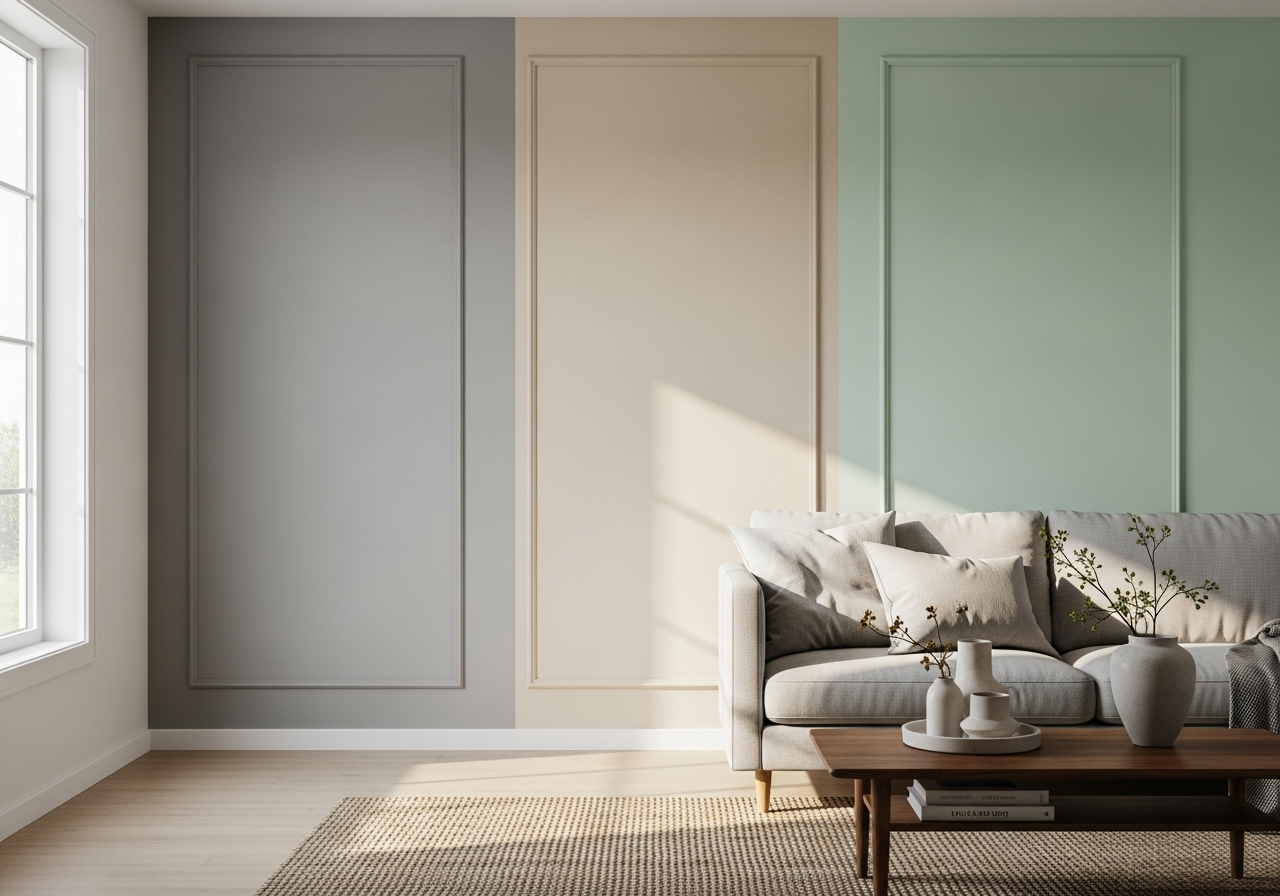

Understanding Paint Types for Living Room Spaces
Your living room paint finish affects everything from how light bounces off walls to how easily you can wipe away coffee splashes. Choosing the right paint type shapes not only the look but also the feel and upkeep of your space. There are seven main paint finishes that each offer a unique texture and sheen level, which can suit different activities and decor styles in your living room.
Paint finishes range from flat to high gloss. At one end, flat paints have no shine and help hide wall imperfections. At the other, high-gloss paints reflect plenty of light and provide a durable surface. In between, options like eggshell, satin, and semi-gloss vary in sheen and ease of cleaning.
Quick Guide to Paint Sheen Levels
- Flat or Matte: No shine; hides flaws well but can be harder to clean.
- Eggshell: Soft, low sheen with some washability; a popular living room choice.
- Satin: Slightly shiny and more durable; balances softness with easy clean-up.
- Semi-gloss: Noticeably shiny; resists moisture and stains well.
- Gloss: High shine; often reserved for trims and doors.
- High Gloss: Very reflective, extremely durable but highlights wall imperfections.
- Textured: Offers patterns or textures for artistic effect; may be harder to clean.
What Makes Living Rooms Different from Other Rooms
Living rooms serve as gathering spots for family and guests, combining comfort, style, and function. Compared to kitchens or bathrooms, they often need a balance between durability and ambiance. Kitchen paints may prioritize moisture resistance, while living room paints emphasize softness and atmosphere. Since living rooms see a range of activities—from watching TV to socializing—the paint finish must handle some wear without dominating the look.
The sheen levels also impact how the room feels. A flat or matte finish offers calmness and warmth, ideal for relaxing environments. A shinier finish can inject energy but may also make the walls appear less cozy and reveal imperfections. Because living rooms typically get different kinds of lighting throughout the day, the choice of sheen affects not just cleaning and durability but also the mood the space creates.
Best Paint Finishes for Living Room Walls
Most designers pick between three finishes for living rooms, and your lifestyle determines which one wins. Flat, eggshell, and satin finishes are the leading choices because they blend appearance and performance well. Your family’s habits, the level of traffic, and whether you have kids or pets will help narrow down the best option.
Flat and Matte: The Designer’s Choice
Flat and matte paints have zero shine and absorb light instead of reflecting it. This finish creates a soft, muted backdrop that feels inviting and hides many wall imperfections. It’s a favorite for adult spaces or rooms where a relaxed, cozy feeling is key. However, flat paints can be less durable. Cleaning stains or marks off flat paint is tricky since it may leave noticeable uneven patches.
This finish works well if your living room gets moderate use and your walls are in good shape. It’s also ideal in formal or classic setups where understated elegance is a priority. However, it may not hold up well in homes with kids, pets, or frequent spills.
Eggshell: The Balanced Option
Eggshell finish has a subtle sheen, somewhat like the surface of an eggshell—neither too dull nor shiny. This balance makes it a top pick for living rooms because it offers better durability and easier cleaning than flat paint, yet keeps a warm, inviting feel. It can hide minor imperfections while withstanding gentle scrubbing.
If you want a finish that adjusts well to different lighting and decorative styles without the maintenance demands of higher sheen paints, eggshell is often the safest bet. It pairs nicely with both casual and formal furniture and resists fading from sunlight better than flat paints.
Satin: When Durability Matters Most
Satin paint stands out for its moderate shine and high durability. It handles wear, scuffs, and cleaning very well, making it great for busy households or spaces prone to fingerprints and accidental stains. Satin reflects more light than eggshell, giving the room a lively, fresh quality without the glaring effect of semi-gloss.
This finish suits active living rooms where children or pets roam and where frequent cleanup is necessary. It also pairs beautifully with modern or transitional styles that call for a slightly polished look. While satin can highlight minor wall flaws a bit more than eggshell, careful wall prep can minimize this drawback.
How Room Lighting Changes Your Paint Choice
The same paint looks completely different in a north-facing room versus one with floor-to-ceiling windows. Light direction, intensity, and time of day alter how a paint’s color and finish appear. Considering how natural and artificial lighting interacts with your paint helps avoid surprises after the walls are painted.
Working with Natural Light Patterns
Rooms with plenty of natural light generally support a wider range of finishes because sunlight softens sheen reflections. In bright rooms, flatter finishes reduce glare and help colors appear richer. Conversely, dark rooms benefit from paints with a bit more sheen, like eggshell or satin, which reflect more light and make the space feel brighter and more open.
Windows facing north bring cool, indirect light that can wash out some paint colors. Here, a paint with subtle warmth and gentle sheen can add softness and depth. East- or west-facing rooms get changing light that shifts color tones throughout the day, so a finish that balances brightness with concealment of flaws—usually eggshell—is sensible.
Managing Artificial Light and Paint Sheen
Evening lighting and artificial light sources also shape paint perception. Warm bulbs tend to deepen colors and soften sheen reflections, while cooler bulbs might make sharper contrasts on glossy or satin finishes. Rooms illuminated mainly by lamps or recessed lights should avoid highly reflective paints to prevent harsh glare.
In many living rooms, layering light from overhead and side lamps creates moods that interact uniquely with sheen. Satin finish often works well under these conditions, providing gentle shine without too much sparkle. For subdued lighting, flatter paints maintain a cozy atmosphere.
Matching Paint Type to Your Living Room Style
Your living room’s style influences which paint type fits best. Traditional, modern, rustic, or eclectic designs each call for finishes that complement textures, furniture, and decor mood. The sheen level also helps reinforce your design theme, supporting harmony in the space.
Traditional and Classic
Traditional living rooms favor flat or eggshell finishes because of their soft, timeless appeal. These paints allow antique furniture and rich textiles to stand out without competing for attention. Flat finishes work well with detailed walls and trim, where a subtle backdrop is desired.
Modern and Contemporary
Modern rooms often use satin or eggshell finishes to add light and polish. The clean, sleek lines of contemporary furniture pairs well with finishes that reflect some light and highlight glossy surfaces without feeling too shiny. Satin works especially well in this style, offering a slightly reflective surface that enhances architectural elements.
Rustic and Cozy
Rustic spaces thrive with matte or flat finishes, which emphasize the natural textures of wood and stone. These paints create a relaxed and earthy vibe. Textured paint can add character here, but satin finish might be too polished for the informal look usually preferred.
Eclectic and Artistic
Eclectic styles have freedom to experiment by mixing sheen levels. For example, a flat wall with satin or gloss trim adds dimension. High-gloss accents can draw the eye, while matte or eggshell walls keep the overall look balanced. Here, paint choice becomes a tool for expression rather than strict rules.
Conclusion
Choosing the right paint type for your living room depends on your lifestyle, lighting conditions, and personal style. The main options—flat, eggshell, and satin—offer a range of durability, sheen, and mood-setting qualities that fit different homes. Understanding these finishes helps you make a smart choice that looks good and lives well.
Consider how much traffic your living room sees and the type of light it receives before picking your paint. Test samples on your walls to watch how the sheen shifts throughout the day. With clear priorities and a bit of trial, you can find a paint finish that truly complements your living space.