

What Makes Cool Colors Perfect for Your Room
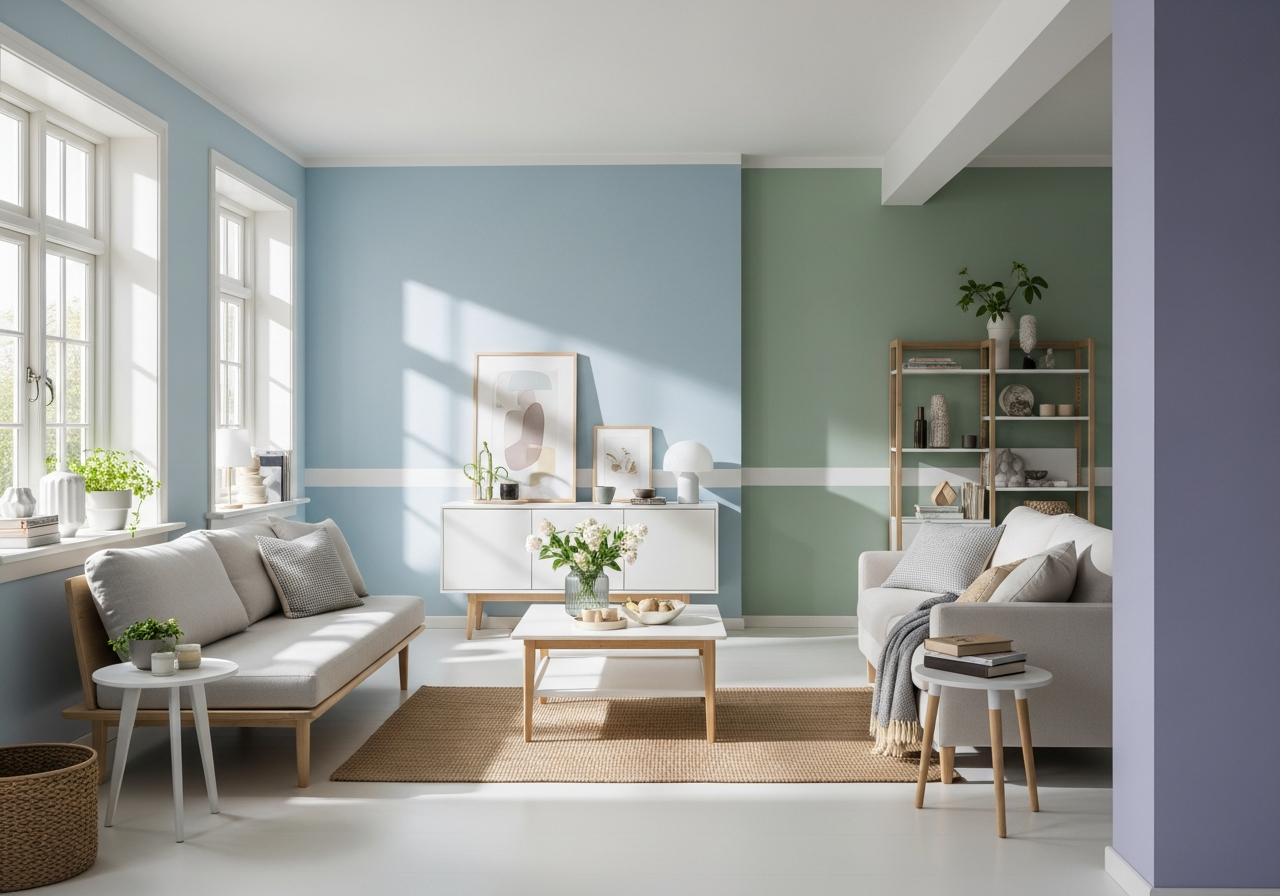
Cool colors like blues, greens, and purples have a way of changing the feel of a room. They can make your space seem larger, calmer, and more inviting. These shades often bring a sense of peace that helps you unwind after busy days. Choosing cool tones can transform a room from feeling cramped or hectic into a restful retreat.
The colors we surround ourselves with affect our mood and perception more than we realize. Blues tend to evoke calmness and trust, while greens remind us of nature and balance. Purples can add a touch of creativity and luxury. Cool tones also visually shift a room’s size and temperature. Light blues or greens can make a small room feel more open, while deeper cool hues can cozy up bigger rooms without making them feel tight.
The Science of Cool Colors in Small Spaces
Small rooms can sometimes feel claustrophobic, but cool colors help by pushing walls visually outward. Blue and green hues reflect more light and soften edges, which tricks our eyes into seeing extra depth. Cooler shades tend to suggest freshness and cleanliness, making compact rooms feel airy and comfortable rather than cramped. Soft, muted cool colors especially perform well here, preventing the space from feeling overwhelming while still adding personality.
Which Rooms Benefit Most from Cool Tones
Cool colors suit specific rooms better depending on their purpose. Bedrooms and bathrooms often benefit from blues and greens because they encourage relaxation and restfulness. Living rooms paired with cool tones gain freshness and calm, inviting peaceful gatherings. Even kitchens can benefit from soft cool hues, creating an easy, clean environment. Spaces that receive a lot of natural sunlight also play nicely with cool colors—they balance out warmth and can reduce glare or brightness.
It’s important to distinguish between warm and cool undertones. Warm colors like reds and yellows energize a space, while cool undertones bring tranquility. Mixing warm and cool tones can work, but for the most relaxing effect, cool colors are the top choice. Their impact on mood and perception makes them ideal for areas where comfort and peace are key.
Top Cool Colors to Paint Your Room in 2024
This year, cool colors are more popular than ever, offering a range of options from gentle greens to bold blues. People are choosing shades that match their personality and lifestyle, blending classic shades with fresh trends. Whether you want your room to feel light and breezy or deep and dramatic, there’s a cool color ready to transform your space.
Blues That Never Go Out of Style
Blue remains a favorite because of its timeless calming effect. Navy blue is rich and dramatic for accent walls or entire rooms. It pairs well with whites and metallics to keep it from feeling too dark. Powder blue offers a soft, cloud-like feel, perfect for bedrooms or bathrooms seeking a restful vibe. Teal shades add a modern, sophisticated twist with a slight splash of green, making them great for living rooms or home offices.
Green Shades for Every Mood
Green is closely linked to nature, bringing balance and a sense of renewal indoors. Sage green blends gray undertones into a soft leafy color that suits most rooms, especially bedrooms and kitchens. Mint green is fresh and lively without being overpowering—ideal for spaces needing a gentle pop of color. For bolder options, forest green provides depth and richness, creating an intimate and cozy atmosphere in larger rooms or dining areas.
Unexpected Cool Colors That Work
Cool doesn’t only mean blue or green. Purples and grays are gaining traction as unique cool tones. Lavender or soft violet adds a subtle creativity and calmness to any space, particularly bedrooms or creative studios. Gray, when chosen with blue undertones, leans cool and pairs well with bright accents for a modern look. These choices are perfect when you want something different but still soothing and stylish.
| Color | Shade Description | Suggested Use | Example Brand/Code |
|---|---|---|---|
| Navy Blue | Dark, deep blue | Accent walls, living rooms | Benjamin Moore: Hale Navy HC-154 |
| Powder Blue | Soft, light blue | Bedrooms, bathrooms | Sherwin-Williams: Misty 7661 |
| Sage Green | Soft gray-green | Kitchens, bedrooms | Behr: Sage Green S-G-210 |
| Forest Green | Rich, deep green | Dining rooms, living rooms | Farrow & Ball: Studio Green 93 |
| Lavender | Light purple | Bedrooms, studios | Valspar: Lavender Lustre 4008-2C |
| Cool Gray | Blue-gray tone | Modern living spaces | Sherwin-Williams: Repose Gray SW 7015 |
How to Choose the Right Cool Color for Your Space
Choosing a cool color goes beyond picking something pretty in a paint store. Your room’s size, light, and existing decor influence which color fits best. You can test colors, but understanding your space’s quirks will make sure you don’t regret your decision after the paint dries.
Testing Paint Samples Properly
Before committing to any shade, paint a few large swatches on your walls. Look at these samples at different times of the day—morning, afternoon, and evening—to see how natural and artificial light shift the color’s tone. Sometimes a blue looks bright and lively in daylight but dull and cold under lamps. This step saves you surprises and ensures the color truly fits your idea for the room.
Considering Room Orientation
Rooms facing north often get cooler, dimmer light, which can deepen cool colors and sometimes make them look darker. South-facing rooms receive warm direct sunlight, which can warm up cool tones and make them appear less intense. East and west-facing rooms change light throughout the day, so consider the mood you want during peak hours. Balancing cool colors with the intensity of your natural light source is key to a harmonious look.
Matching Cool Colors with Your Furniture
Look at the colors of your furniture and decor before finalizing a paint shade. Cool colors work beautifully with white or light wood furniture, enhancing the airy feel. Dark woods gain contrast with lighter cool hues, creating a dramatic yet balanced space. You can also bring out accent colors from pillows, rugs, or artwork by choosing complementary cool paint tones that highlight these elements.
Creating Flow Between Connected Rooms
If your rooms flow into each other, pick cool colors that blend well from one space to the next. Using too many different shades can break the sense of openness and harmony. A palette of similar cool tones with small variations allows each room to have personality while maintaining a seamless connection. Consider soft blues leading into greens or grays to keep the flow natural and inviting.
Conclusion
Cool colors include blues, greens, and purples that make your room feel calm, larger, and more relaxing. These shades influence mood and perception, creating spaces that invite rest or focus. Choosing the right cool color depends on your room’s size, lighting, and existing furniture to match the mood you want.
Start by testing paint samples on walls at different times of day. Notice how natural and artificial light change the shade. Then, consider your room’s orientation and match colors to your furniture for balance. Finally, plan colors so rooms flow well into each other when connected. These steps will ensure your cool color choice transforms your room beautifully and comfortably.