
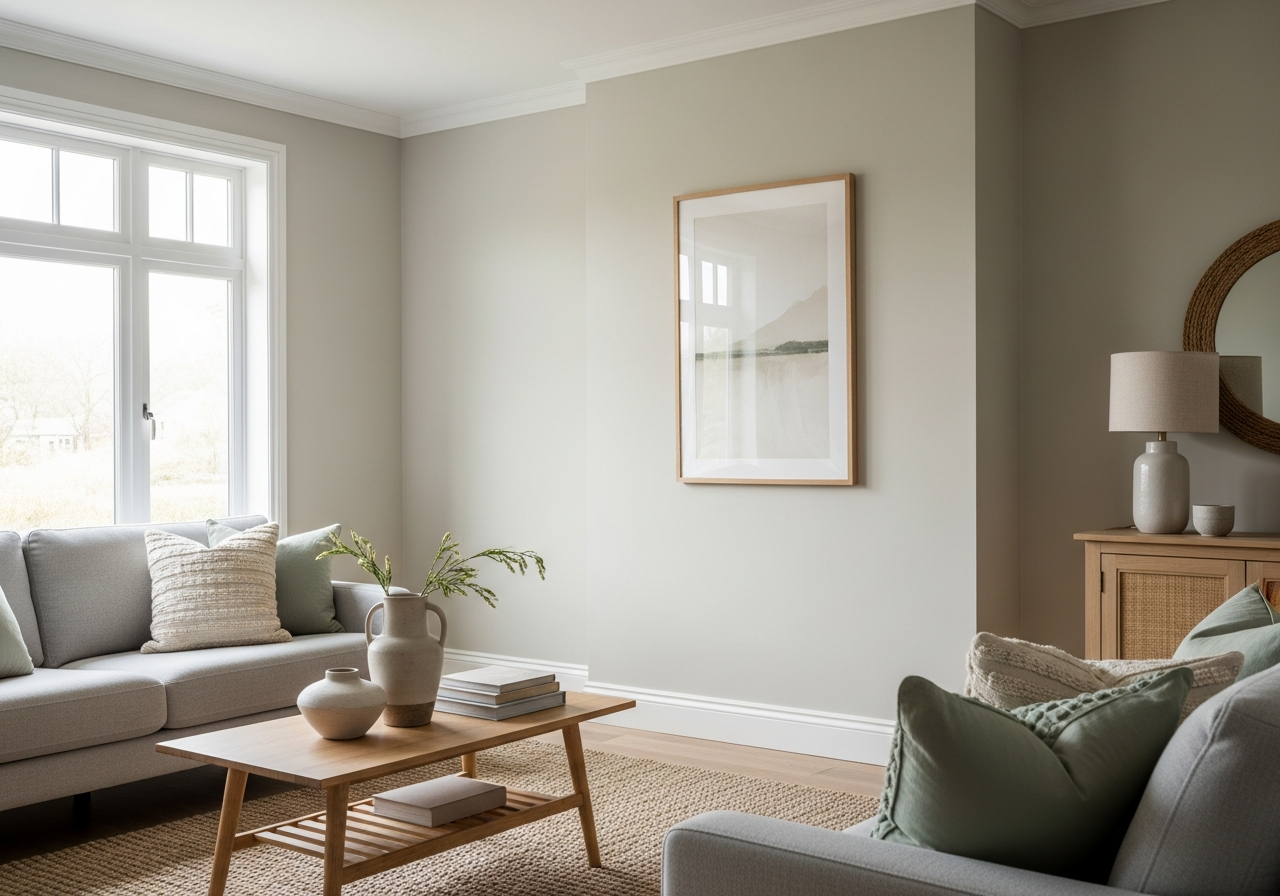

How to Choose the Best Type of Paint for Living Room Walls
Choosing the right paint for your living room affects more than just color. It impacts how your space looks, feels, and lasts over time. The type of paint you use can determine how often you need to repaint, how easy it is to clean, and even how healthy your indoor air stays. This guide breaks down key paint types, brand options, and finishes to help you pick the best paint for your living room walls with confidence.
1. Understanding Paint Types for Living Room Success
Your living room paint choice affects everything from how often you’ll need to repaint to how your space feels at different times of day. Two main types of paint dominate interiors: water-based latex and oil-based paint. Each has strengths and drawbacks depending on your needs.
Water-Based Latex vs Oil-Based Options
Water-based latex paint is the most popular for walls, covering roughly 90% of residential living rooms. This paint uses water as its main solvent, making cleanup easier and drying times faster. Latex paint is flexible, resisting cracks as walls expand and contract. It also offers good color retention and less odor.
Oil-based paint, on the other hand, uses solvents like mineral spirits. It tends to level out better, giving a smoother surface that can be tougher overall. Oil paint holds up well to scrubbing but takes longer to dry and emits stronger fumes during application. Because of VOC regulations, oil paint is less common indoors today but is sometimes used on trim or high-wear spots.
Coverage and Spreading Rates
Most interior paints come with coverage ratings of 250 to 400 square feet per gallon. The actual coverage depends on surface texture and color changes. Typically, oil-based paints provide slightly better coverage and smoother finishes on rough surfaces, but good-quality latex paints can match this performance for most walls. Proper surface preparation and primer use also affect how well paint spreads and adheres.
VOCs and Indoor Air Quality
Volatile Organic Compounds (VOCs) are chemicals in paint that evaporate as it dries, impacting indoor air quality. Oil-based paints generally emit higher VOC levels than latex paints, which can cause headaches, dizziness, or respiratory issues. Low-VOC or zero-VOC latex paints are widely available now, making them safer for living spaces. Choosing low-VOC paints helps keep your living room air cleaner while still delivering strong performance.
2. Best Type of Paint for Living Room: Brand Comparisons
Three paint brands consistently outperform others in living rooms, based on durability testing and professional painter feedback. Understanding their strengths can guide your choice, especially when balancing quality and budget.
Premium Options: Sherwin Williams vs Benjamin Moore
Sherwin Williams Emerald is a top-tier paint praised for its excellent coverage, washability, and resistance to stains. It applies smoothly with a rich finish that lasts. Emerald’s advanced paint formula includes stain-blocking technology and a durable acrylic binder, which keeps colors vibrant for years.
Benjamin Moore Regal Select</strong and Aura also stand out for their consistently high quality. Regal Select offers great adhesion and fewer coats needed, while Aura is regarded as one of the best for color retention and washability, though it comes at a higher price point compared to Regal Select. Both lock in color and resist moisture effectively.
Best Value Pick: PPG Prominence
PPG Prominence is attractive for those seeking quality on a budget. It delivers solid coverage and a smooth finish but may require an extra coat on uneven surfaces. Its performance is reliable for living rooms where durability is needed without the higher cost of premium brands. PPG also offers a limited warranty on Prominence, adding buyer confidence.
When to Splurge vs Save
Choosing between premium and budget paint depends on room use and your repaint timeline. If your living room hosts frequent guests or kids and pets cause wear, investing in Sherwin Williams Emerald or Benjamin Moore Aura can cut down touch-ups and repainting. For less-used or smaller rooms, PPG Prominence is a suitable alternative that balances cost and quality well.
Remember that paint cost per square foot can add up with multiple coats. Premium paints often cover better with fewer coats, saving time and effort. Warranty differences, such as longer fade or stain resistance guarantees from Sherwin Williams and Benjamin Moore, can justify the added expense over time.
3. Paint Finishes That Work in Living Rooms
The wrong finish can make your living room walls look cheap or show every fingerprint, while the right one hides imperfections and cleans easily. Choosing the right finish plays a big role in your room’s final look and maintenance.
Eggshell finish is the go-to choice for most living rooms. It offers a subtle sheen that softly reflects light without creating glare. Eggshell is easy to clean with a damp cloth, which helps hide minor wall blemishes or texture variations while still giving a smooth look.
Satin is a bit shinier and more durable than eggshell. This finish works well when you have kids or pets since it resists stains and scrubs off marks better. Satin is often chosen for high-traffic areas or open floor plans where walls take more abuse.
Flat or matte paint absorbs more light and hides surface flaws well. However, it’s less washable and more prone to marks, which is why designers usually avoid it for living rooms that see heavy use. Flat finishes fare better on ceilings or less-touched walls.
Keep in mind that light reflectivity varies by finish. Higher sheen levels bounce more light, making rooms feel brighter, but they can also highlight wall imperfections. Eggshell strikes a good balance for living rooms, creating warmth without exaggerating flaws.
Conclusion
The best type of paint for living room walls is typically a water-based latex paint with an eggshell or satin finish. These options offer good durability, easy cleaning, and low indoor air pollution, helping your living room look fresh for longer.
Consider premium brands like Sherwin Williams Emerald or Benjamin Moore Aura if you want top-tier performance, especially in busy households. Choose PPG Prominence for solid quality on a smaller budget. Pick a finish that matches your lifestyle—eggshell for most spaces, satin if you need extra durability.
Before painting, prepare your walls properly, and choose colors that complement your room’s lighting. With the right paint type and finish, your living room will stay inviting and beautiful with less maintenance.