
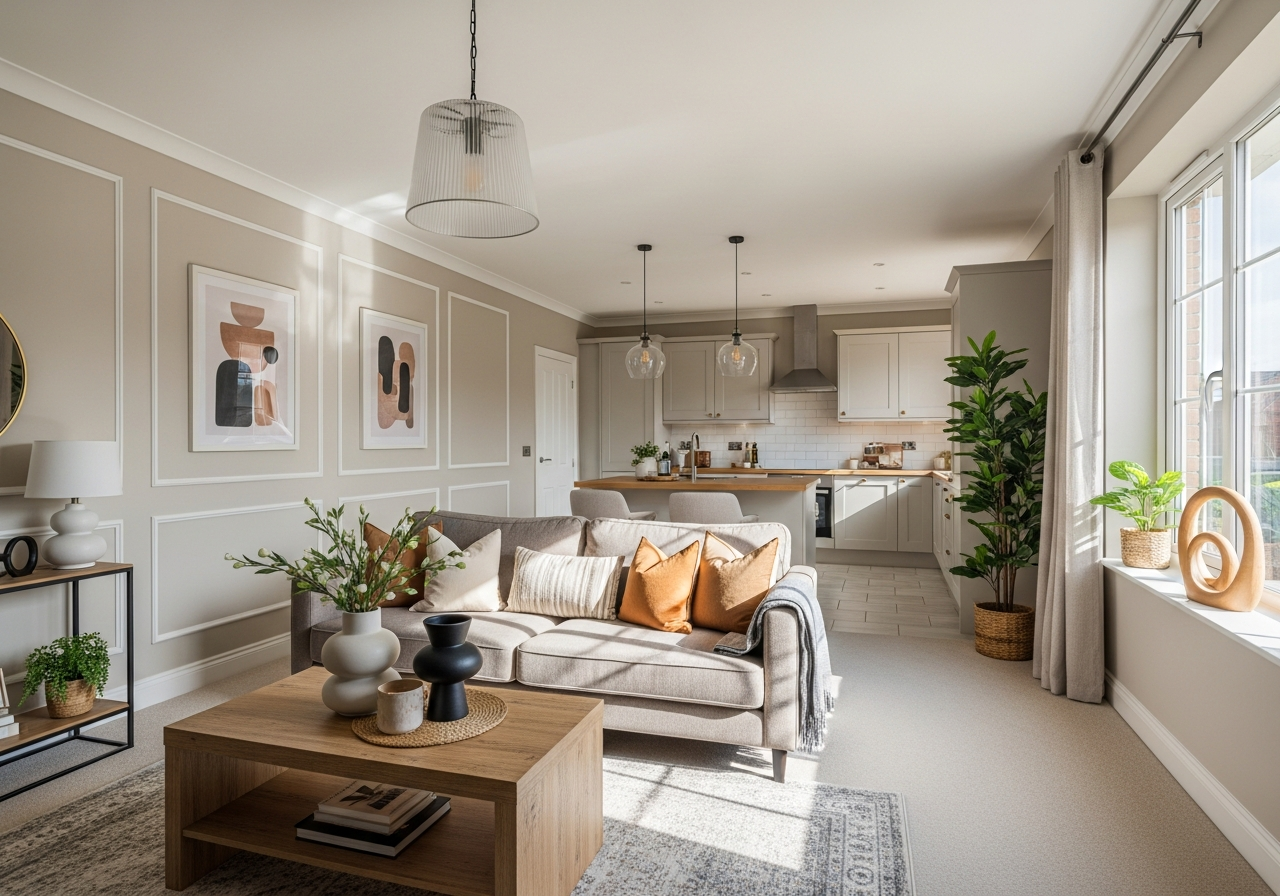

Best Paint Color for Kitchen Living Room Combo: Smart Color Schemes That Work
When your kitchen and living room share the same space, choosing the right paint color can make or break the look and feel of your home. The color needs to tie the two areas together while respecting their different functions. It’s not just about picking something pretty; it’s about creating a smooth flow, making the area feel spacious, and ensuring the space looks great both today and years from now. This guide will help you understand why color matters so much and how to choose a perfect shade for your kitchen living room combo.
1. Why Choosing the Best Paint Color for Kitchen Living Room Combo Spaces Matters
Open floor plans capture the imagination with their wide, free-flowing spaces. Yet, selecting colors that work well for both kitchen and living room can feel tricky, like trying to finish a puzzle with some pieces missing. You want a color that blends rooms into one harmonious space, not something that stops your eye or disrupts the vibe.
The colors you choose affect how big or small a space feels. Light colors often open up a room, making it seem larger, while darker hues can make it feel cozy but smaller. For a combo space, you need to balance these effects so your kitchen doesn’t seem too bright or your living room too dim.
Beyond looking good, paint colors can add value to your home and impress future buyers. Neutral colors tend to have broad appeal and can help attract offers faster. However, it’s smart to avoid overly trendy colors that might look dated quickly. Striking a balance between what’s stylish now and what lasts is key.
The Psychology of Color in Multi-Use Spaces
Colors speak to our emotions, and what works in one room might not feel right in another. In multi-use spaces, the right color fosters balance. Soft, soothing colors can make the living room feel relaxing while bright or warm hues energize the kitchen. Cooler tones are often calming, while warmer tones create warmth and comfort. When choosing colors, consider how you want to feel in each area and how the color supports that feeling.
How Paint Colors Affect Room Transitions
How color changes from one space to another can either unify your rooms or break their connection. Using the same color on walls in both areas creates a clean line, making the two spaces flow into each other naturally. Alternatively, using different shades of the same color helps define spaces while keeping harmony. Sharp color contrasts can highlight each area’s purpose but must be balanced carefully to avoid visual clashes. Seamless blending is easier with shared hues and undertones.
2. Top Paint Colors That Work in Both Kitchens and Living Rooms
Some paint colors have stood the test of time as reliable choices for connected kitchen and living room spaces. These colors create a peaceful sense of unity without sacrificing style or energy. They provide excellent backdrops for your furniture, fixtures, and personal touches.
Neutral Champions: Colors That Never Fail
Warm neutrals like greige, taupe, and soft beige offer a cozy, inviting look that works beautifully in kitchen living combos. Their warmth pairs well with natural wood tones and metals often found in kitchens. Cool neutrals such as soft gray, sage, and pale blue bring calmness and can brighten darker corners without being cold. These neutral shades blend easily with many décor styles.
Brave Choices: When to Go Bold
Bold accents can inject personality and focus into your space. Painting a single wall in deep navy, forest green, or charcoal gray creates a strong statement that still plays well with neutrals throughout the rest of the combo area. Bold colors work best as accents because they add contrast and draw the eye without overwhelming.
The 60-30-10 Rule for Combo Spaces
This classic design guideline is perfect for picking paint colors for combined spaces. Use 60% of a dominant neutral color on most walls, 30% on secondary walls or large furniture pieces, and 10% as an accent in smaller areas like kitchen backsplashes or the living room fireplace wall. This rule keeps your color scheme balanced and visually appealing without becoming chaotic or dull.
3. How to Pick Your Perfect Paint Color (Decision Framework)
Paint samples can be confusing, especially when colors look different on a chip than they do on your wall at home. Professionals use a step-by-step process to choose colors that work. This approach takes guesswork out of the equation, helping you feel confident in your choice.
The 3-Day Light Test Method
Natural light can change how a color looks throughout the day. To truly see how a paint will perform, test samples in your space for three days. Paint large patches on different walls and observe their look in morning, afternoon, and evening light. Notice any shifts in warmth, brightness, or undertones. This test reveals how your color will feel in real life, avoiding surprises later on.
Matching Undertones with Existing Fixtures
Every color has undertones—subtle hues beneath the surface. These undertones can clash or blend with kitchen cabinets, countertops, flooring, and living room furniture. For a smooth look, identify the undertones in your existing fixtures and pick paint with similar ones. For example, a Countertop with warm beige tones pairs well with warm beige or greige walls, while cool gray counters complement gray or blue undertones.
Testing Paint Samples the Right Way
Don’t just rely on tiny paint chips. Use full-sized sample pots to create test areas on your walls. Apply at least two coats as your final look will affect and deepen once painted completely. Step back, live with the color for a few days, and see how it makes you feel before committing.
Considering Your Lifestyle and Cleaning Needs
Busy kitchens and living rooms can get smudges and stains. Choose paint finishes that clean up easily, like satin or semi-gloss, especially in high-traffic kitchen parts. Lighter colors show dirt less but can stain more easily, so balance color choice with practicality. If you cook a lot or have kids, washable paints and durable finishes are smart investments.
Conclusion
The best paint color for a kitchen living room combo is one that creates harmony while respecting each space’s unique needs. It blends well with light, fixtures, and lifestyle, and makes your home look inviting and spacious. To find your perfect shade, test colors in real light over several days, match undertones thoughtfully, and pick a finish that suits your daily life. With these steps, you can confidently choose colors that bring your open space to life and stand the test of time.