
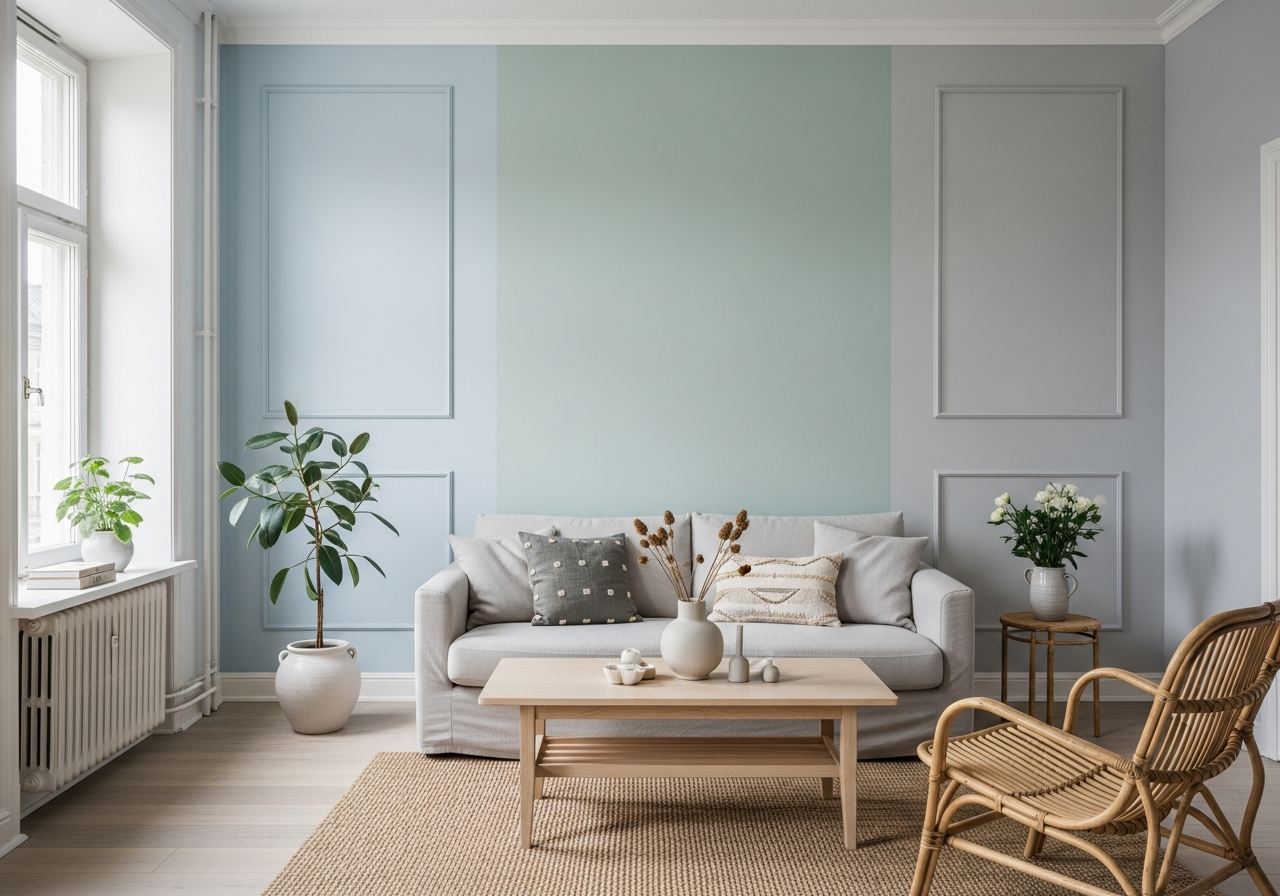

Why Cool Paint Colors Work Magic in Living Rooms
Cool paint colors create a calm, refreshing atmosphere that makes your living room feel bigger and more inviting. Shades like blue, green, and soft gray bring a sense of peace that warm colors often can’t match. These tones ease the mind and help you relax after a long day or set a tranquil mood for guests.
Apart from their calming effects, cool colors have a way of visually expanding space. Lighter blues or greens reflect light well, making walls appear farther away and rooms more open. This effect works especially well in smaller living rooms where creating depth is key. Along with adding space, these colors hold a timeless appeal that balances both trendy and classic styles. They can be fresh enough for today’s designs but also endure changing décor tastes.
Natural light plays an important role too. Cool colors respond beautifully to daylight, often intensifying the airy feel of your living room. Whether your room faces north or south, picking the right cool shade can brighten the space dramatically without feeling cold or stark.
The Science Behind Cool Colors and Relaxation
Psychologists have long studied how colors affect mood and feelings. Cool colors like blue and green tend to slow the heart rate and lower blood pressure, triggering relaxation. These hues remind us of natural settings such as the sea or forest, helping to ease stress and create a peaceful environment. When you paint your living room in cool colors, you’re inviting calm energy into a space where people gather and unwind.
Warm tones like reds or oranges, while energetic and cozy, can increase alertness and excitement. This is why cool shades are often preferred in rooms designed for rest and conversation. They help balance the mental energy needed for daily life by providing a soothing backdrop that feels less intense.
Making Small Living Rooms Feel Larger
Small living rooms can easily feel cramped or cluttered. Cool colors help change that by tricking the eye into seeing more space. Light blues, pale greens, and soft grays have a receding quality, meaning they seem to move away from your line of sight. This visually pushes the walls back and enlarges the area.
Pairing cool colors with white or light-colored trim further enhances this effect. The contrast helps define edges without closing in the room. It also keeps the overall ambiance bright and open. Incorporating mirroring elements, glass furniture, or reflective surfaces can magnify how cool colors work to boost room size visually.
Choosing cool shades for living rooms is a smart way to improve mood and space. They support restful living while bringing a fresh, airy atmosphere where everyone feels welcome.
Top Cool Paint Colors for Living Room Walls Right Now
From soft ocean blues to misty greens, these cool paint shades are flying off the shelves at paint stores everywhere. Each one brings its own personality to your space, whether you want a light, breezy feel or a bold statement. Here are some favorites, complete with brand names and color codes, to help you find the perfect tone for your living room walls.
Blues That Never Go Out of Style
Blue is a classic cool color that suits almost any living room. Softer blues can make a room feel calm and serene, while deeper navy hues add a touch of drama without overwhelming the space. Popular options include:
- Benjamin Moore’s “Palladian Blue” (HC-144): A soft blue with green undertones, ideal for rooms with lots of natural light.
- Sherwin-Williams’ “Naval” (SW 6244): A rich navy that pairs well with whites and metallic accents for a modern look.
- Behr’s “Ocean Abyss” (P510-7): A darker, moody blue suited for creating cozy, intimate areas.
Lighter blues offer a refreshing backdrop, while medium and dark blues bring depth and sophistication.
Gray and Greige Options for Modern Homes
Gray has become a popular cool neutral that works with many decorating styles. It’s versatile, modern, and calming. Greige, a blend of gray and beige, adds warmth while maintaining a cool feel. Some trending picks include:
- Benjamin Moore’s “Revere Pewter” (HC-172): A warm greige that adapts well to different lights.
- Sherwin-Williams’ “Passive” (SW 7064): A light gray with subtle blue-green undertones, perfect for a serene living room.
- Behr’s “Silver Drop” (790C-2): A pale gray with a soft cool tone that pairs beautifully with whites and pastels.
Grays offer a timeless foundation to add pops of color or textured elements without overpowering the space.
Sage and Eucalyptus Greens Taking Over
Green is quickly becoming the “new neutral” in living room paint colors. Its connection to nature brings freshness and vitality indoors. Sage and eucalyptus shades are especially popular for their muted, versatile vibe. These cool greens feel balanced and relaxing without being too bold.
- Benjamin Moore’s “Soft Fern” (2144-40): A gentle sage green with a soft, earthy feel.
- Sherwin-Williams’ “Eucalyptus” (SW 9130): A dusty green that works wonderfully with natural wood accents.
- Behr’s “Nature Spa” (MQ2-52): A calm, spa-like tone perfect for creating a peaceful retreat.
These greens pair well with neutral furniture and natural textures like linen or rattan, reinforcing a tranquil, organic style.
How Natural and Artificial Light Changes Cool Colors
That perfect blue you picked might look completely different at night versus noon. Understanding light helps you pick colors that look great 24/7. Your living room’s lighting affects how cool paint colors appear, sometimes shifting hues or changing the overall feel of the space.
North vs. South-Facing Room Considerations
Rooms that face north generally receive cooler, steadier natural light throughout the day. This light can make blue or green walls appear slightly grayer or more muted. If your living room is north-facing, choosing a cool paint color with a bit of warmth or brightness helps keep the room feeling inviting and not too cold.
South-facing rooms get warmer, brighter sunlight, which can enhance cool paint colors by making them look more vibrant. Light blues or greens can feel crisp and refreshing under strong daylight. However, these bright rooms can also cast crisp shadows, so it’s wise to test paint samples at different times to see how your chosen shade reacts.
LED vs. Warm Bulb Effects on Cool Tones
Artificial lights also influence paint color. LED bulbs tend to emit a cleaner, cooler light that complements blue and green tones well. This can make cool colors appear brighter and more lively at night.
On the other hand, warm incandescent or warm LED bulbs cast yellow or orange hues that can soften and sometimes dull cool colors. In spaces lit primarily by warm bulbs, cooler shades might seem less intense or slightly muted, which can create a cozy atmosphere but may not highlight the full depth of the color.
Testing Paint Samples at Different Times
To avoid surprises, always test paint samples on your living room walls. Look at the samples in the morning, midday, and evening under both natural and artificial light. This will show how colors shift throughout the day and help you choose a shade that suits all lighting situations.
It’s also helpful to observe how reflections from furniture, flooring, and decor affect the paint’s appearance. Walls don’t exist in isolation, so seeing the whole space in varied lighting sets the right expectation.
Using Multiple Light Sources to Enhance Cool Colors
Layering light sources—such as overhead lights, floor lamps, and table lamps—can allow you to adjust the room’s mood while showcasing your cool paint colors. Combining warm and cool bulbs helps keep the space balanced at any hour.
For example, bright ceiling lights can brighten cool shades for daytime vibrancy, while softer lamps add warmth at night without dulling the calming vibe. Light dimmers give extra control, letting you shift the room’s feel depending on the occasion.
Understanding how light interacts with cool colors avoids common pitfalls and ensures your living room stays beautiful in every light.
Conclusion
Cool paint colors for living rooms bring calm, openness, and timeless style to your space. They help expand smaller rooms and create a relaxing atmosphere that guests and family will appreciate. Whether you prefer soft blues, trendy grays, or fresh greens, these shades add personality while staying easy on the eyes.
To get started, choose a few favorite colors and test them on your walls during different times of day. Consider your room’s natural light and the type of artificial lighting you use. Finally, balance cool colors with warm accents and layered lighting for a comfortable, inviting living room that feels just right.