
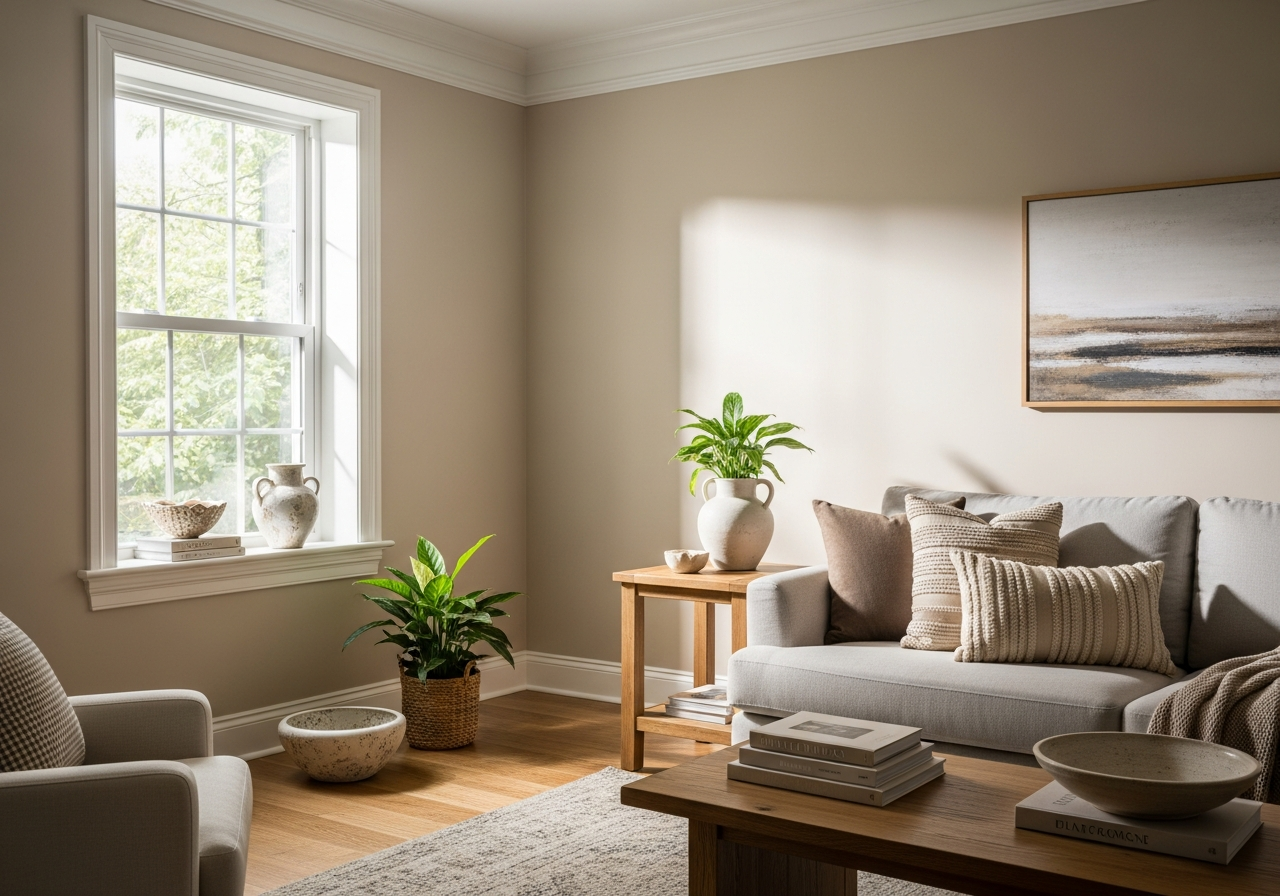

Why Beige Paint Colors for Living Room Walls Never Go Out of Style
Beige often gets a bad rap for being boring or plain. But the truth is, picking the right beige can turn your living room into a cozy, inviting spot that feels both fresh and timeless. Beige is like a blank canvas that works well with many decorating styles, from modern to traditional. It offers warmth without overwhelming the space, making it a smart and attractive choice.
One key reason beige is popular is its versatility. It pairs beautifully with bold patterns and colors or softer, neutral tones. Because beige reflects light nicely, it helps rooms feel bigger and airier, even if they don’t have large windows. You can also mix beige with both warm-colored accents—like terracotta and gold—and cool hues such as blues and greens. This flexibility allows you to easily update your furnishings or seasonal decor without repainting the walls.
The Psychology of Beige in Living Spaces
Beige promotes a calm and welcoming atmosphere. It creates a backdrop that doesn’t compete for attention, which reduces visual clutter and helps lower stress. This subtle color supports relaxation, making it perfect for living rooms where families gather to unwind or entertain guests. Designers often choose beige to craft spaces that feel grounded and comfortable, invoking a sense of balance.
Beige vs. Gray: Why Beige is Making a Comeback
For several years, gray dominated interior paint choices. However, beige is now returning as a favorite because it radiates warmth that gray often lacks. While gray can come across as cool and sometimes stark, beige adds a soft glow that pairs wonderfully with natural wood tones. Wood furniture and floors stand out better against beige walls, highlighting their rich textures.
Moreover, beige complements a wide range of styles and color schemes more smoothly. It enriches spaces without dampening light or feeling cold. The renewed interest in cozy, inviting homes drives the comeback of beige as a go-to paint color for living rooms.
How to Pick the Perfect Beige Paint for Your Living Room
Choosing a beige paint color isn’t just about finding “tan.” Undertones play a huge role in how the color looks and feels in your space. The wrong undertone can make the room look dull, too yellow, or even muddy. You’ll want to pay close attention to these subtle hues when deciding your ideal shade of beige.
Start by identifying whether you want a warm beige (with yellow or red undertones) or a cool beige (with hints of gray or green). This decision often depends on the style of your furniture and the lighting in the room. For example, a north-facing room that gets less direct sunlight may benefit from a warmer beige to counterbalance the cooler light, while a south-facing room with bright light can handle cooler, softer beiges.
The Undertone Test: Pink, Yellow, or Green?
Every beige has undertones that affect its appearance. Look closely to spot whether the color leans towards pink, yellow, or green. A beige with pink undertones can feel warm but sometimes looks rosy under certain lights. Yellow undertones make beige feel sunny and bright, particularly in natural light. Meanwhile, green undertones can provide a muted, earthy effect, which works well with natural wood and plants.
When choosing your beige, align the undertone with your existing decor. For interiors with warm wood or gold accents, warm yellow or pink undertones fit best. For cooler metal accents or modern black-and-white styles, neutral or green undertones may be a better match.
Sample Testing Like a Pro
Always test paint colors before committing. Paint large swatches—at least 2 feet square—on different walls in your living room. This lets you see how the beige behaves with different lighting throughout the day. Observe the samples in the morning, when light is soft and warm; afternoon, when sunlight is strongest; and evening, when artificial lights cast a different glow.
Check how the beige looks against your furniture and artwork during these times. A color that seems perfect in the store under bright lights may disappoint at home. This testing step saves you from costly mistakes and ensures you pick a beige tone that makes your living room feel just right.
Top 12 Beige Paint Colors That Designers Actually Use
Professional designers don’t rely on guesswork when choosing beige paint. They pick shades that balance beauty, warmth, and versatility. Here are 12 popular beige paint colors trusted by experts for living rooms. Each one offers a unique flavor of beige, building a perfect foundation for cozy and stylish spaces.
- Benjamin Moore Revere Pewter: A soft greige that blends beige with light gray, perfect for modern or transitional styles.
- Sherwin-Williams Accessible Beige: A creamy warm beige with a hint of yellow undertone that brightens spaces naturally.
- Behr Swiss Coffee: A warm beige leaning toward off-white, great for bright, airy living rooms.
- Farrow & Ball Elephant’s Breath: Mid-tone beige with subtle pink undertones, adding warmth with sophistication.
- Benjamin Moore Manchester Tan: A classic beige with golden undertones ideal for traditional or farmhouse looks.
- Sherwin-Williams Balanced Beige: Neutral and calming, balanced between warm and cool tones for wide-ranging appeal.
- Behr Wheat Bread: Light and sunny beige that pairs beautifully with wood floors and plants.
- Valspar Sandstone Cliff: Earthy beige with a dusting of gray, lending a natural and grounded feel.
- Benjamin Moore Pale Oak: A light, subtle beige with slight gray undertones, making it versatile in modern or minimalist designs.
- Sherwin-Williams Nomadic Desert: Warm, sandy beige resembling sun-soaked landscapes, ideal for cozy and inviting rooms.
- Behr Natural Linen: Creamy beige with a smooth finish, creating a soft and comfortable ambiance.
- Farrow & Ball Bone: Light beige with a cool undertone, perfect for pairing with cooler accent colors or airy decor.
These colors cover a wide spectrum of beige options from warm to cool, light to medium hues. Sampling a few of these will help you find the best match for your living room’s personality and lighting.
Conclusion
Beige paint colors for living room walls never go out of style because they offer timeless warmth and versatility. Picking the right beige—with the undertones and light interaction that work for your home—creates a welcoming space that feels larger and calmer.
Start by testing a few paint samples on your walls and observe how they change throughout the day. Match the undertone to your furniture and the room’s sunlight direction for the best effect. Once settled on a shade, you’ll have a flexible backdrop that enhances both warm and cool decor, making your living room a cozy retreat for years to come.