
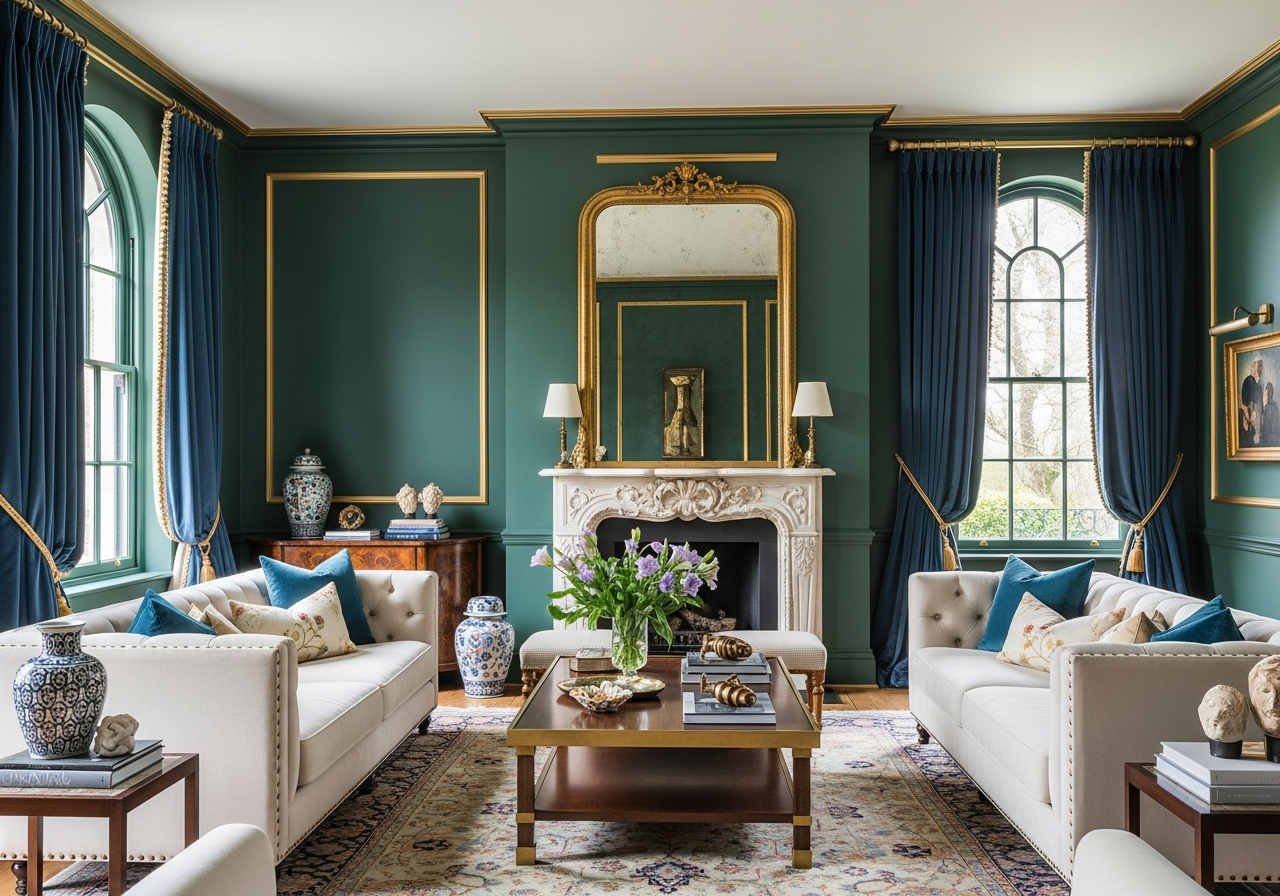

What Makes a Royal Paint Design Perfect for Your Living Room
Royal paint designs bring a touch of luxury and sophistication to living rooms without needing an expensive makeover. These colors are rich, deep, and bold, creating a standout space that captures attention. They create an atmosphere where guests feel invited yet impressed, combining comfort and elegance naturally.
Royal paint colors include shades like deep blues, rich purples, emerald greens, and burgundy. These tones resemble the traditional palettes used in regal spaces throughout history, offering a sense of majesty and warmth. Unlike lighter or more neutral shades, these colors make a strong statement, instantly elevating the mood of the room.
Colors such as navy blue or emerald green have psychological effects too. They can foster calmness, creativity, or even a feeling of security. Deep purples and burgundy often evoke a sense of richness and depth, making the space feel intimate and inviting. Choosing these colors for your living room taps into these mood-enhancing properties, turning the area into a cozy yet sophisticated retreat.
The living room is an ideal place to showcase royal paint designs. It’s where families gather, guests are entertained, and life unfolds. Bold colors create a focal point that draws interest and adds personality without overwhelming other decor elements.
Another important factor is the finish. Royal paint finishes are often richer and more textured than everyday paints. Options like satin or eggshell can enhance depth and shine, while matte finishes provide a more subtle and classic look. These finishes catch light differently, adding dimension and movement to the walls.
Classic Royal Color Palettes That Never Go Out of Style
Some royal color combinations have stood the test of time thanks to their balance of boldness and harmony. These palettes pair rich bases with metallic or muted accents to achieve a regal feel without overpowering the room.
- Navy and Gold Combinations: Navy blue walls paired with gold details create a dramatic yet approachable space. Gold adds warmth and a touch of glamour, making it perfect for framed art, light fixtures, or decorative pillows.
- Deep Purple with Silver Accents: Deep purple walls give a mysterious vibe paired beautifully with shiny silver accessories or trims. This mix is modern and elegant, ideal for adding sparkle without cluttering the room.
- Emerald Green with Brass Touches: Emerald green is vibrant and full of life, working wonderfully with warm brass elements. From handles to lamps, brass brings out the richness of the green and ties the theme together.
Choosing the Right Royal Paint Design for Your Space
Picking a royal paint color isn’t just about selecting the deepest shade you like. Each living room has its character—its size, light, and furnishings—and your paint choice should match those qualities. The right royal color makes your space feel cozy, spacious, or balanced, not dark or cramped.
First, consider the size of your room. Large living areas can handle dark, rich hues confidently, making walls feel enveloping without shrinking the space too much. However, smaller rooms need careful color choices. Dark royal shades can make compact places feel even tighter, so it’s often better to use softened tones or paint only one accent wall.
Natural light is another big factor. Rooms that get plenty of sunlight make dark royal colors look vibrant and lively. But north-facing rooms or those with limited sunlight might dampen the intensity, making colors appear dull or muddy. Knowing how much light your room receives helps you pick undertones and brightness levels that keep the atmosphere inviting.
Existing furniture and decor should complement the paint too. If your furniture is traditional or richly colored, your paint needs to harmonize without competing. For modern and minimal pieces, bold royal colors can add warmth and depth, acting like a backdrop that highlights the design.
Before fully committing to a shade, always test paint samples. Small patches painted on different walls reveal how colors change with light throughout the day. This step helps you avoid surprises and adjust your choice based on real-world conditions.
Small Living Rooms vs Large Living Rooms
In small living rooms, lighter royal colors work best. For example, a soft lavender or a muted teal can lift a compact area without feeling heavy. Using royal paint as an accent rather than wall-to-wall keeps the space open and inviting. Consider painting bookshelves, a feature wall, or niches in a royal tone for a subtle touch.
Large living rooms have more freedom. You can embrace deep sapphire, burgundy, or emerald on all four walls. To prevent feeling overwhelmed, balance these colors with plenty of light furnishings and reflective surfaces. Large rooms can even support layered royal shades—like painting trim, ceiling, or doors in different shades from the same royal palette for depth.
North-Facing vs South-Facing Rooms
North-facing rooms receive softer, cooler light throughout the day. Royal blues and purples with cool undertones suit these spaces well as they brighten the overall look without clashing with the natural grayish tint. However, cooler royal greens may look dull here. Adding metallic accents or warm decor helps balance this.
South-facing rooms bathe in warm, bright light. This makes it easier to use more saturated or warm royal hues, like deep reds and vibrant gold-tinged greens. Undertones can be cooler or warmer, but the true intensity of the color will come through. When choosing paint, keep an eye on how midday sun emphasizes certain shades.
Step-by-Step Process for Creating Your Royal Living Room
Achieving a royal finish in your living room isn’t just about the paint color—it’s about preparation and technique. Proper steps ensure the color looks rich, smooth, and lasts through time. Here’s a practical guide that follows expert painting methods to create a stunning royal paint design.
Wall Preparation Essentials
Start by clearing the room or moving furniture to the center and covering with drop cloths. Remove nails, screws, or any wall hangings. Repair cracks, holes, or dents using spackle or filler to create a perfect surface.
Sanding rough spots helps new paint grip better and creates a smooth finish. After sanding, wipe down walls with a damp cloth to remove dust and residue.
If there’s old gloss paint or stain, cleaning with a mild detergent and sanding is crucial. A clean, even surface prevents peeling and ensures color consistency.
Primer Selection for Royal Colors
Primer is key, especially for royal paint colors where tone and depth matter. Use a high-quality, stain-blocking primer suitable for the surface (drywall, plaster, or wood). Primers help cover old colors, prevent stains from bleeding through, and enhance topcoat adhesion.
Some primers come tinted. For deep royal colors, consider tinted primers in similar shades. This helps reduce the number of topcoat layers and intensifies the final color.
Application Techniques for a Magazine-Worthy Finish
Choose high-quality brushes and rollers for smooth application. Brushes with synthetic bristles work best for water-based paints, while natural bristles suit oil-based paints. Begin by cutting in the edges—corners, near ceilings, and around windows and door frames.
Roll paint in consistent strokes, overlapping slightly for even coverage. Avoid heavy or uneven layers that cause drips or streaks. Typically, two coats of royal paint ensure the color is rich and uniform.
Let each coat dry completely before applying the next; impatience can ruin the depth and texture of royal colors.
Adding Final Touches and Accent Elements
After painting, add metallic or textured accents like gold leafing on molding or silver trim lines. These highlight the royal color scheme and elevate the room’s elegance.
Lighting matters too. Install warm white bulbs to enhance color warmth and avoid harsh blue lights that dull royal hues.
Finally, complement walls with carefully chosen furnishings and accessories. Soft fabrics, rich textures, and luxurious finishes complete the royal living room transformation.
Conclusion
Royal paint design for a living room involves choosing deep, rich colors that create a luxurious and welcoming space. These shades are bold yet versatile, enhancing mood and style. Proper selection based on room size, light, and decor ensures the paint works well in your unique space.
Start by testing colors and preparing your walls thoroughly. Use quality primers and paint products, applying them with care. Finally, add complementary accents and lighting to bring out the regal charm.
This thoughtful approach will help you create a living room that feels both grand and comfortable. You’ll enjoy a space that impresses guests and feels like a true retreat every day.