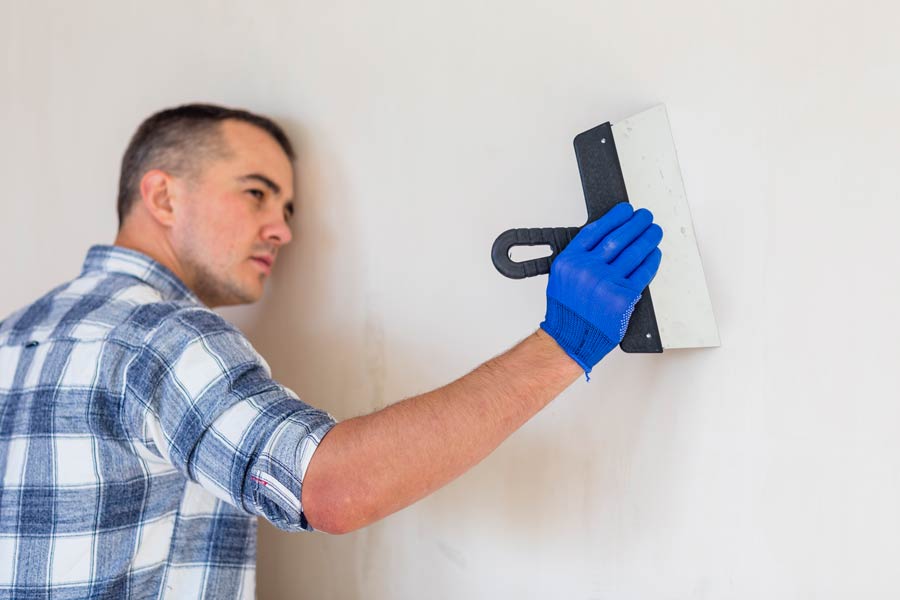
Stucco Repair in Van Nuys, CA
Stucco is the dominant exterior finish on Los Angeles residential construction for good reason—it's durable, fire-resistant, and well-suited to the Southern California climate. But durable is not the same as maintenance-free. Stucco cracks, absorbs moisture, separates from the substrate, and fails in ways that are easy to misdiagnose and expensive to ignore. In Van Nuys, where stucco homes range from 1920s Spanish Revival to 1990s tract construction to modern three-coat applications, stucco repair requires reading the surface correctly before touching it. VanArm handles stucco repair in Van Nuys as a surface restoration process—diagnose the cause, repair completely, match the finish, and seal it correctly so the repair holds rather than reappears.
Why Stucco Repair Is Not a Caulk-and-Paint Job
The most common stucco repair mistake in Van Nuys is treating visible cracks and surface damage as a paint problem. Filling hairline cracks with caulk, rolling elastomeric paint over a damaged surface, or skim coating over compromised stucco delays the visible problem while the underlying failure continues. Stucco damage that looks cosmetic on the surface is frequently a symptom of something happening behind the stucco—moisture intrusion, substrate movement, failing lath, or water-damaged framing that has been wet long enough to compromise structural members.
Professional stucco repair in Van Nuys starts with understanding what caused the damage. A crack repaired without identifying its cause will reappear—sometimes within a single season. A surface sealed over active moisture intrusion traps water behind the stucco and accelerates the deterioration it was meant to stop. The correct repair is determined by the diagnosis, not by what's visible on the surface.
Stucco Repair Services We Provide in Van Nuys
Hairline and Cosmetic Crack Repair
Hairline cracks are the most common stucco issue on Van Nuys homes and the most frequently under-repaired. Fine cracks in the finish coat from thermal movement, normal settlement, or surface shrinkage during original application are cosmetic—they don't indicate structural failure, but they do provide moisture entry points that expand damage over time. Correct hairline crack repair involves cleaning the crack, opening it slightly if needed for material penetration, filling with a flexible elastomeric compound or color-matched stucco patching material, and finishing the surface to blend with surrounding texture. Painting over hairline cracks without filling them first is not a repair—it's a temporary visual correction that reverses with the first rain.
Structural and Through-Wall Crack Repair
Wide cracks, stair-step cracks, and cracks that pass through the full stucco thickness to the substrate require a more involved repair process. These cracks indicate movement—either ongoing or historical—that has exceeded the stucco's flexibility threshold. Before any repair material is applied, the crack is assessed for active movement, the edges are evaluated for delamination and loose material, and the area behind the crack is probed for moisture damage. Repair involves removing compromised stucco to sound material, addressing any substrate damage, installing new lath where needed, applying stucco in the correct coat sequence for the depth of the repair, and finishing to match. Filling a structural crack from the surface without addressing the full depth and cause produces a repair that re-cracks along the same line within months.
Stucco Delamination and Hollow Spot Repair
Delamination—where stucco has separated from the substrate or from a previous coat—is a failure that isn't always visible until the surface is tapped. A hollow sound when the wall is knocked indicates the stucco has lost its bond. Delaminated stucco is structurally unsound and will eventually crack, bulge, and fall. In Van Nuys, delamination is commonly caused by moisture cycling behind the stucco, original application over a contaminated or improperly prepared substrate, or mechanical impact that broke the bond without visibly cracking the face. Repair requires removing all delaminated material, preparing the substrate correctly for re-bonding, and building up new stucco in the proper coat sequence with adequate cure time between coats.
Water Damage and Moisture Intrusion Repair
Water damage behind stucco is one of the most serious—and most commonly mishandled—repair scenarios in Van Nuys residential construction. Stucco is porous. Without a properly functioning drainage plane, flashing, and weep screed system behind it, water that penetrates the surface has nowhere to go except into the wall assembly. The visible signs—staining, efflorescence, bubbling paint, soft spots, and recurring cracks—appear on the surface long after the damage behind the wall has been accumulating. Correct water damage repair in Van Nuys requires opening the damaged section, removing all wet and compromised material including insulation and sheathing where affected, allowing the assembly to dry completely, treating or replacing damaged framing, restoring the water management system behind the stucco, and rebuilding the stucco surface in the correct coat sequence. Patching the surface without addressing the moisture pathway guarantees repeat failure.
Impact and Mechanical Damage Repair
Vehicle impacts, landscape equipment contact, falling tree branches, and construction activity all produce mechanical damage to stucco that ranges from surface gouges to large missing sections. Impact damage repair is straightforward in scope but requires correct execution—remove all loose and cracked material back to a clean edge, prepare the substrate, apply stucco in layers appropriate to the repair depth, and finish to match the surrounding texture and color. Large impact repairs on older Van Nuys homes often reveal layers of previous paint and stucco applications that complicate texture matching and require additional assessment before repair proceeds.
Stucco Around Windows, Doors, and Penetrations
Window and door perimeters are the highest-risk moisture entry points on any stucco exterior. The joint between stucco and window or door frame is subject to differential movement, UV degradation of sealant, and direct water exposure during rain events. Failed caulk, cracked stucco at frame corners, and missing or deteriorated flashing at window heads are responsible for a disproportionate share of water damage repairs in Van Nuys homes. We treat window and door perimeter repairs as flashing and water management issues first—the stucco and caulk repair is the surface expression of a system that needs to be restored, not just sealed over.
Stucco at Grade and Foundation Transitions
Stucco that runs to grade or terminates without proper weep screed at the foundation line is a chronic moisture problem in Van Nuys residential construction. Water wicks up from soil contact, efflorescence stains the surface, and the base of the stucco system deteriorates from the bottom up. Repair at grade transitions involves removing damaged stucco, installing proper termination detail and weep screed where absent, treating the substrate, and rebuilding the base with materials appropriate to the exposure conditions at grade level.
Full Section Removal and Replacement
When stucco damage is extensive—covering a large wall section, involving multiple failure modes, or concealing substrate damage that affects the integrity of the wall assembly—partial repair is not the right answer. Full section removal and replacement produces a repair that matches in depth, composition, and long-term performance rather than a patchwork of partial repairs that read visually inconsistent and fail at different rates. We assess whether partial or full section replacement is warranted based on the extent of damage and the condition of the substrate, not based on which scope is faster to complete.
Stucco Texture Matching and Color Blending
Texture matching is consistently the most visible and most difficult aspect of stucco repair in Van Nuys. The variety of stucco textures applied across Los Angeles residential construction—smooth, sand finish, dash, lace, raked, and custom hand-applied finishes—each require different tools, material mixes, and application techniques to replicate. Color matching is an additional variable: original stucco color fades over years of sun exposure, and a repair applied in the original specified color will read as a bright patch against the weathered surrounding surface. We apply color wash and tinted finishes to blend repairs into the existing surface and test matches under actual exterior lighting conditions before committing to the final application.
Our Stucco Repair Process in Van Nuys
Stucco repair done correctly takes longer than most homeowners expect—because the correct process has mandatory cure time between coats that cannot be compressed without compromising the result. Our process is built around diagnosis before repair and surface integrity before finish.
Step 1 — Diagnostic Assessment
Every stucco repair project begins with a thorough surface assessment. We probe for hollow spots and delamination, evaluate crack patterns for type and cause, check for moisture with a moisture meter where water damage is suspected, assess window and door perimeter flashing and sealant conditions, inspect weep screed and grade termination details, and identify any areas where previous repairs have failed and need to be removed before new work begins. The assessment determines repair scope, method, and whether any underlying issues need to be resolved before stucco repair proceeds. Skipping this step is the primary reason stucco repairs fail.
Step 2 — Preparation and Removal
Preparation for stucco repair requires removing all compromised material before any new stucco is applied. Our preparation process includes:
- Cutting or chipping out delaminated, cracked, and loose stucco to clean, sound edges
- Removing previous patch material that is not properly bonded or is incompatible with the repair approach
- Assessing and treating substrate—sheathing, lath, and framing—for moisture damage, rot, or rust
- Replacing damaged lath, paper, and sheathing where required before stucco application begins
- Restoring or installing correct flashing, weep screed, and moisture barrier details at terminations and penetrations
- Cleaning existing sound stucco edges to remove dust and contamination for proper bond at repair perimeter
Applying new stucco over delaminated edges, compromised lath, or damaged substrate guarantees the repair will fail at the same location. Preparation is not a cost-saving opportunity—it is the repair.
Step 3 — Scratch Coat Application
For repairs of any meaningful depth, the scratch coat is the foundation of the repair system. Applied directly to the prepared lath or substrate, the scratch coat is a Portland cement-based mix applied to the correct thickness and scratched horizontally before it sets to create a mechanical bond surface for the brown coat above. Scratch coat must cure adequately—typically 48 hours minimum under normal Van Nuys conditions—before the next coat is applied. Applying the brown coat over an insufficiently cured scratch coat produces a repair that cracks as the coats cure at different rates.
Step 4 — Brown Coat Application
The brown coat brings the repair to within approximately one-eighth inch of the finished surface and provides the flat, even plane that the finish coat requires. It is rodded to level, floated for uniformity, and allowed to cure before finish application. Brown coat cure time in Van Nuys varies with temperature, humidity, and sun exposure—direct sun on a west-facing wall in summer accelerates surface drying while the interior of the coat is still curing, which can cause shrinkage cracking. We manage cure conditions and mist coats during hot weather to ensure even curing through the full coat depth.
Step 5 — Finish Coat and Texture Application
The finish coat is where texture and color are established. Finish mix composition, water ratio, and application technique all affect the final texture and how it reads against the surrounding surface. We apply finish in sections that allow wet-edge blending at the repair perimeter, match texture to the surrounding surface using the correct tools and technique for the specific texture type, and assess the match under natural light before the finish sets. Texture corrections made after the finish has begun to set produce hard lines and disturbed surfaces that read as obvious patches.
Step 6 — Color Blending and Sealing
Once the finish coat has cured, color blending is assessed in natural exterior light. Where the repair reads as visually distinct from the surrounding surface due to color or sheen difference, a color wash, tinted sealer, or elastomeric paint blend is applied to reduce the contrast. If the full exterior is being repainted as part of the project scope, color blending is addressed in the paint specification rather than the stucco finish. A penetrating water repellent or elastomeric sealer is applied over the completed repair where warranted by the surface condition and exposure—not as a standard upsell, but where the specific repair location and moisture exposure history justify it.
Three-Coat vs. One-Coat Stucco Systems in Van Nuys
Not all stucco on Van Nuys homes is the same system. Traditional three-coat stucco—scratch coat, brown coat, finish coat over metal lath and building paper—is the standard on older construction and the most repairable system in the field. One-coat stucco systems, introduced in the 1980s and common on Van Nuys tract construction through the 1990s and 2000s, use a single thick base coat over fiberglass mesh in a direct-applied system. Repair technique, material compatibility, and mix design differ between systems. Applying three-coat repair materials and methods to a one-coat system—or vice versa—produces incompatible repairs that crack, delaminate, or fail to bond correctly. We identify the stucco system before selecting repair materials and approach, not after the first coat is on the wall.
EIFS and Synthetic Stucco Repair in Van Nuys
EIFS—Exterior Insulation and Finish System, commonly called synthetic stucco—is a fundamentally different product from traditional Portland cement stucco. It consists of a foam insulation board substrate, a base coat with embedded fiberglass mesh, and an acrylic finish coat. EIFS repair requires EIFS-specific materials and technique—traditional stucco patching products are not compatible. EIFS systems are also more moisture-sensitive than traditional stucco: water that penetrates a compromised EIFS assembly has nowhere to drain and causes extensive hidden damage. We identify EIFS vs. traditional stucco at the assessment stage and apply the correct repair approach for the system present on the home.
Common Stucco Repair Mistakes We Correct in Van Nuys
A consistent portion of our Van Nuys stucco repair work involves correcting repairs that made the problem worse or simply delayed it. The most common failures we correct:
- Cracks filled with caulk or elastomeric paint that have re-opened as the underlying movement continued
- Patches applied over delaminated stucco that bonded to the delaminated layer rather than the substrate, failing along with it
- Moisture intrusion repairs that sealed the surface without restoring drainage plane function, trapping water in the wall assembly
- Color-matched patches that read as bright spots against the surrounding weathered surface from no color blending applied after repair
- One-coat system repairs made with three-coat materials, producing incompatible repairs that crack along the perimeter
- Window perimeter repairs sealed with caulk over failed flashing, masking active water entry without resolving it
- Repairs applied without adequate cure time between coats, producing shrinkage cracks that replicate the original damage pattern
Every one of these failures has a predictable outcome: the damage reappears, usually in a worse condition than the original because additional moisture has entered the wall during the interim. Correct stucco repair requires removing what was done incorrectly and rebuilding from a sound substrate with proper materials, proper technique, and adequate cure time at every stage.
Stucco Repair and Exterior Painting in Van Nuys
Stucco repair and exterior painting are naturally linked services on Van Nuys homes, and the sequence is non-negotiable: repair first, paint second. Paint applied over unrepaired stucco cracks and damage deteriorates faster at those points, draws attention to the damage rather than concealing it, and has to be redone when the repairs are eventually made. VanArm handles stucco repair and exterior painting as an integrated scope when both are needed—repairs are completed, cured, and confirmed structurally sound before any paint is specified or applied. Homeowners who need both services benefit from a single point of accountability and a finished exterior where repairs are invisible under paint rather than visible through it.
How Often Do Van Nuys Homes Need Stucco Repair?
Stucco on well-maintained Van Nuys homes can last decades without major repair. The variables that determine repair frequency are exposure conditions, original application quality, maintenance history, and whether small issues are addressed before they develop into system failures:
- Annual inspection of cracks, sealant at windows and doors, and grade termination details catches problems at the cosmetic stage before moisture intrusion begins
- Hairline cracks addressed promptly cost a fraction of the repair required after moisture has entered through them for one or two wet seasons
- Homes with mature landscaping in contact with stucco surfaces, west or south-facing walls with full sun exposure, and flat or low-slope roof sections that shed water onto stucco walls require more frequent inspection and maintenance
- Post-earthquake inspection is warranted after any seismic event—stucco cracks from seismic movement are frequently dismissed as cosmetic when they are structural
Get a Stucco Repair Estimate in Van Nuys
VanArm provides free stucco repair estimates for homeowners and property managers throughout Van Nuys and the greater Los Angeles area. We assess the damage, probe for moisture and delamination, identify any underlying issues that need to be addressed before repair, and provide a clear written scope with accurate timeline and material information before any work begins. No vague estimates, no scope surprises mid-project, no repairs that mask problems instead of solving them.