
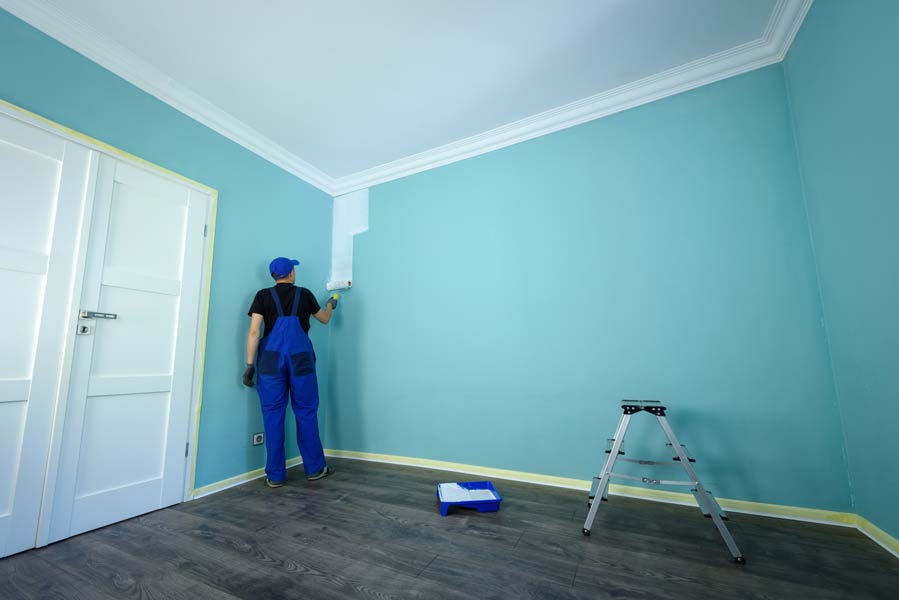
Interior House Painting in Los Angeles
Interior house painting is one of the most effective ways to improve how a home looks, feels, and functions—when it’s done correctly. In Los Angeles, homeowners repaint interiors for many practical reasons: worn walls, outdated colors, visible patches, remodeling projects, move-ins, rentals, or simply because the existing paint no longer reflects how they live in the space.
At VanArm, interior house painting is treated as finish work, not a quick cosmetic task. That means preparation comes first, details matter, and the final result should look intentional—not rushed or uneven. We work with Los Angeles homeowners who want clean lines, consistent coverage, and paint that holds up to everyday use.
Why Interior Painting Is More Than Just Color
Many interior paint problems don’t come from the paint itself—they come from what’s underneath. Painting over dents, cracks, stains, or poorly prepped surfaces only highlights imperfections once the paint dries.
Interior house painting done right helps:
- Refresh worn or damaged walls
- Brighten dark or dated rooms
- Improve cleanliness and air quality
- Cover stains, scuffs, and patchwork
- Increase comfort and livability
- Prepare a home for sale or rental
A proper interior paint job improves the space long after the rollers are put away.
Interior Areas We Paint
Los Angeles homes vary widely—from older stucco homes to modern builds and condos. Interior painting needs to adapt to each space, surface, and layout.
Living Rooms & Common Areas
High-traffic areas show wear faster. Scuffs, uneven touch-ups, and faded paint are common. These spaces require careful prep and durable finishes to stay clean-looking over time.
Bedrooms
Bedrooms benefit from smooth finishes and clean lines. Interior painting here often focuses on comfort, light control, and subtle color transitions.
Kitchens & Dining Areas
Kitchens deal with moisture, grease, and frequent cleaning. Paint selection and prep are critical to prevent peeling or staining.
Bathrooms
Bathrooms require moisture-resistant coatings and careful sealing around trim and fixtures to prevent early paint failure.
Hallways & Stairwells
These areas often show the most wear and need extra attention to dents, hand marks, and uneven surfaces.
Our Interior House Painting Process
Interior painting problems almost always trace back to poor preparation. That’s why our process is structured, deliberate, and focused on the surfaces—not speed.
Step 1: Walkthrough & Planning
We review the rooms to be painted, discuss colors and finishes, and identify problem areas such as cracks, dents, nail holes, or stains. This allows us to plan the work correctly and provide a clear estimate.
Step 2: Protection & Prep
Before painting begins, we protect floors, furniture, fixtures, and surrounding areas. Preparation may include:
- Patching nail holes and dents
- Repairing drywall cracks
- Sanding rough or uneven areas
- Sealing stains or discoloration
- Caulking trim and seams
Skipping prep leads to visible flaws after painting. We don’t skip prep.
Step 3: Priming
Priming is essential for repaired areas, color changes, and stain blocking. It ensures even coverage and prevents bleed-through or flashing.
Step 4: Interior Painting
Paint is applied using the appropriate method—roll, brush, or spray—depending on the space and surface. We focus on consistent coverage, clean edges, and smooth finishes.
Step 5: Final Review & Cleanup
Once painting is complete, we inspect the work, address touch-ups, and clean the space. Rooms are left ready to use, not messy or half-finished.
Choosing the Right Interior Paint
Interior paint selection affects durability, appearance, and maintenance. Not every paint works well in every room.
We help homeowners choose paints based on:
- Room usage and traffic
- Desired finish (flat, eggshell, satin, etc.)
- Lighting conditions
- Washability and durability
Using the wrong paint can lead to scuffing, uneven sheen, or premature wear—especially in busy Los Angeles households.