
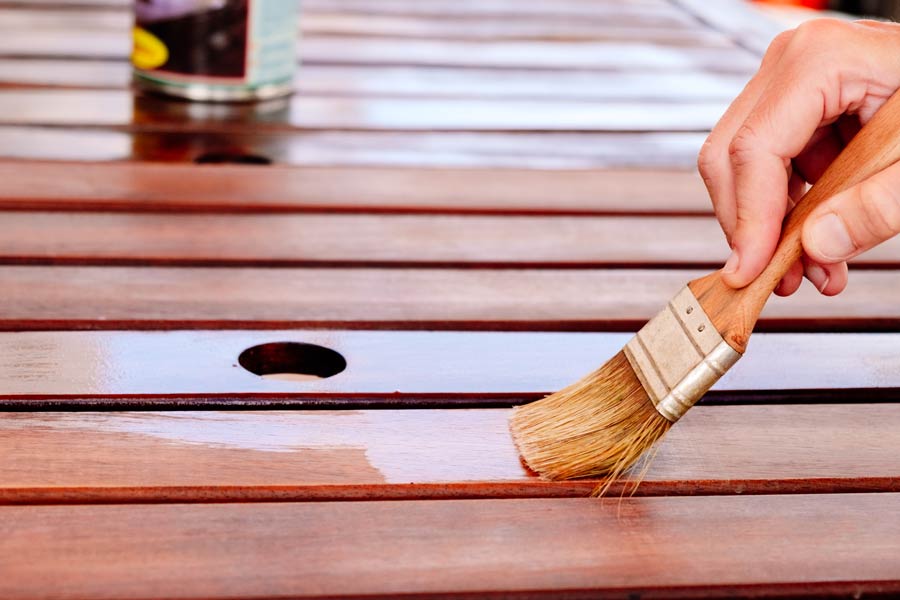
Deck Painting in Los Angeles
Deck painting is not just about improving how your outdoor space looks—it’s about protecting one of the most exposed parts of your home. In Los Angeles, decks take constant abuse from sun exposure, dry heat, occasional rain, coastal air in some areas, and daily foot traffic. Without proper preparation and the right coatings, deck paint fails quickly, leaving wood vulnerable to cracking, splintering, and rot.
At VanArm, deck painting is treated as preventive maintenance, not a cosmetic add-on. We help Los Angeles homeowners restore worn decks, protect the structure underneath, and apply finishes that are built to handle real outdoor conditions—not just look good for a season.
Why Deck Painting Matters in Los Angeles
Decks are exposed horizontally, which means they absorb more sunlight and moisture than vertical surfaces like walls or fences. This makes them more prone to damage if not properly sealed and maintained.
Professional deck painting helps:
- Protect wood from UV damage and drying
- Prevent cracking, splintering, and surface wear
- Reduce moisture absorption and rot
- Improve safety by stabilizing worn boards
- Extend the life of the deck structure
- Improve the overall appearance of outdoor living areas
Waiting until boards are severely damaged often turns a paint job into a repair or replacement project.
Deck Painting vs Deck Staining
Homeowners often ask whether painting or staining is the better option. The answer depends on deck condition, exposure, and maintenance expectations.
Deck Painting:
- Provides a solid, uniform color
- Covers surface imperfections
- Offers stronger UV protection
- Requires thorough prep
- Lasts longer when done correctly
Deck Staining:
- Penetrates the wood
- Shows natural grain
- Requires more frequent reapplication
- Less forgiving of surface flaws
For older or heavily worn decks, painting is often the better long-term solution. For newer decks or homeowners who prefer a natural look, staining may be appropriate. We help you choose based on facts—not preference alone.
Types of Decks We Paint
Deck painting methods vary depending on materials, layout, and condition.
Wood Decks
Most residential decks in Los Angeles are wood. Painting wood decks requires:
- Deep cleaning
- Proper drying time
- Repairing damaged boards
- Sealing exposed wood
Painting over compromised wood leads to peeling and early failure.
Elevated & Multi-Level Decks
These decks require careful prep around railings, stairs, and support areas. Coverage consistency and safety matter here.
Previously Painted or Stained Decks
Old coatings must be evaluated. Painting over failing paint or incompatible stains almost guarantees peeling.
Our Deck Painting Process
Deck painting failures almost always come from rushed preparation. Our process focuses on durability, safety, and clean results.
Step 1: Deck Inspection
We inspect boards, fasteners, railings, and previous coatings. This helps identify:
- Soft or damaged boards
- Loose nails or screws
- Peeling paint or stain
- Areas with excessive sun exposure
Step 2: Cleaning & Surface Preparation
Proper prep may include:
- Power washing to remove dirt, mold, and old residue
- Scraping or sanding failing paint
- Allowing the deck to dry fully
- Repairing or replacing damaged boards
Painting a damp or dirty deck leads to failure.
Step 3: Sealing & Priming
Bare wood and repairs must be sealed or primed to prevent moisture absorption and ensure paint adhesion.
Step 4: Deck Painting Application
We apply deck paint evenly, using the correct method for the surface. Coverage is controlled to avoid heavy buildup that cracks or peels later.
Step 5: Final Inspection & Cleanup
Once complete, we inspect the deck for consistency, safety, and coverage, then clean the area thoroughly.
Choosing the Right Paint for Decks
Deck paint must be designed to handle:
- Heavy foot traffic
- UV exposure
- Temperature changes
- Moisture
Interior paint or low-grade exterior paint will fail quickly on a deck. We use coatings specifically designed for horizontal outdoor surfaces to ensure durability and slip resistance where needed.