
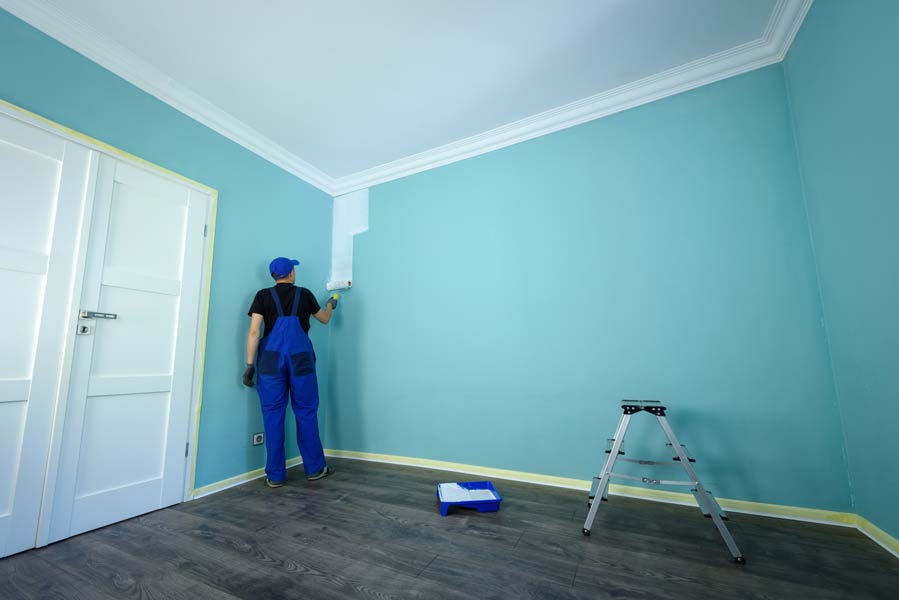
Interior House Painting in Encino, CA
Interior house painting is one of the fastest ways to change how a home looks and feels—but done wrong, it's also one of the fastest ways to waste money. In Encino, where homes range from mid-century stucco bungalows to modern open-plan construction, interior painting requires more than rolling color on a wall. VanArm approaches every interior painting project in Encino with the same prep-first discipline we apply outdoors: clean surfaces, correct products, and results that don't start peeling or yellowing within a year.
What Interior House Painting Actually Involves
Most homeowners underestimate what a proper interior paint job requires. The paint itself is a small part of the total work. Surface condition, sheen selection, primer use, and application method determine whether results look professional or amateur six months after the crew leaves.
Interior painting done correctly improves air quality by sealing porous surfaces, reduces maintenance by using durable washable finishes, and adds measurable value to a home in a market as competitive as Encino. Done incorrectly, it creates visible problems—lap marks, patchy coverage, peeling at trim lines—that cost more to fix than the original job cost to do right.
Interior Surfaces We Paint in Encino
Walls and Ceilings
Standard wall and ceiling painting in Encino homes requires more attention than most contractors give it. We patch holes and cracks, skim coat where needed, sand for uniform texture, prime problem areas, and apply paint in the correct sheen for each room's function and light conditions. Flat paint in a high-traffic hallway or eggshell on a bathroom ceiling are specification errors that show up fast.
Trim, Baseboards, and Molding
Trim work separates a competent paint job from a professional one. Clean cut lines at trim-to-wall transitions, consistent sheen on baseboards, and properly prepped door casings require time, patience, and the right brush technique. We don't mask and rush. Trim is where the detail lives.
Doors and Door Frames
Interior doors take constant contact—hands, edges, scuffs. They require a durable semi-gloss or gloss finish applied over properly sanded and primed surfaces. Painting a door with the wrong sheen or skipping prep results in a finish that chips within months of normal use.
Cabinets and Built-Ins
Cabinet painting is a specialty application. The prep process is more involved than standard wall painting, and the finish requirements are stricter. We sand, degrease, prime with a bonding primer, and apply a durable alkyd or waterborne enamel in a spray finish where possible. Brushed cabinet paint almost always shows brush marks. Sprayed cabinet paint looks factory-applied when done correctly.
Accent Walls and Feature Areas
Accent walls, color blocking, and architectural feature painting require precise masking, clean edges, and the ability to match or contrast colors accurately. We do the preparation work that makes these features look intentional—not like a DIY project that almost worked.
Our Interior House Painting Process in Encino
The difference between a paint job that looks good on day one and a paint job that still looks good in year three is almost entirely in the process. Ours is structured around surface integrity before color application.
Step 1 — Interior Assessment and Walkthrough
We begin every project with a room-by-room walkthrough. We identify existing surface damage, previous paint failures, water staining, smoke or nicotine discoloration, high-moisture areas, and any repairs needed before painting begins. This assessment drives an accurate scope and prevents change orders mid-project.
Step 2 — Surface Preparation
Interior prep work determines everything that follows. Our preparation process includes:
- Patching nail holes, cracks, and surface damage with appropriate compound
- Skim coating uneven or damaged drywall where needed
- Sanding patched areas and existing glossy surfaces for adhesion
- Cleaning walls to remove grease, dust, and contamination
- Masking floors, fixtures, hardware, and surfaces not being painted
- Removing outlet covers and switch plates before application
Paint applied over dirty, glossy, or damaged surfaces fails fast. Adhesion issues, visible patch marks, and uneven sheen are all prep failures—not paint failures.
Step 3 — Priming
Not every wall needs a full prime coat, but stained surfaces, repaired areas, new drywall, and color changes from dark to light always do. We use stain-blocking primers on water and smoke damage, high-hide primers for dramatic color transitions, and bonding primers on slick or previously painted surfaces with adhesion concerns. Using the wrong primer—or skipping it entirely—is one of the most common reasons interior paint jobs fail within the first year.
Step 4 — Paint Application
We apply interior paint using the method appropriate for each surface—spray for cabinets and doors, roller for walls and ceilings, brush for trim and cut-in work. Coverage is consistent, sheen is uniform, and edges are clean. We don't chase speed at the expense of finish quality.
Step 5 — Detail Work and Final Inspection
Trim lines, cut-in edges, and transition points between colors and sheens get a final review before we consider the job complete. Outlet covers and hardware go back on. Floors and surfaces are uncovered and inspected. Touch-ups are addressed before we leave, not promised for a follow-up visit that never comes.
Paint and Sheen Selection for Encino Interiors
Sheen selection is one of the most misunderstood parts of interior painting. The wrong sheen in the wrong room creates maintenance problems and visual inconsistency that homeowners notice long after the crew is gone.
- Flat or matte: best for low-traffic areas and ceilings where hiding imperfections matters more than durability
- Eggshell: the standard for most living areas—low sheen with enough durability to wipe clean
- Satin: higher durability for hallways, kids' rooms, and areas with regular contact
- Semi-gloss: trim, baseboards, doors, and bathroom walls where moisture resistance and scr\\ubbability matter
- Gloss: cabinets, doors, and specialty applications where a hard, durable finish is the priority
We use architectural-grade interior coatings—including Sherwin-Williams Emerald Interior and Benjamin Moore Aura Interior—specified based on surface type, room function, and the durability requirements of each application. These aren't the products you find on the discount shelf. They're specified because they hold color, resist scrubbing, and maintain finish integrity in Encino homes that see real daily use.