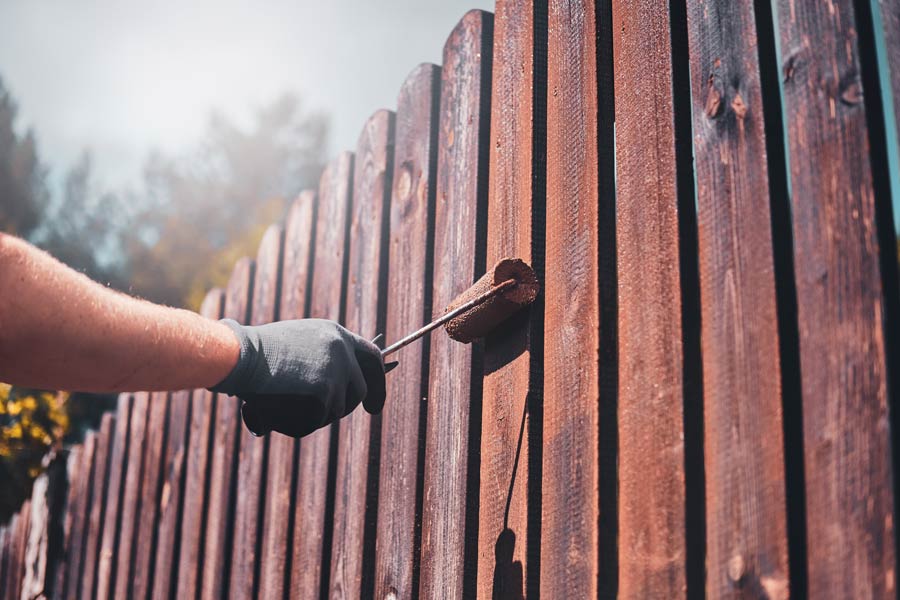
Fence Painting in Moorpark, CA
A fence takes more weather abuse than almost any other surface on a residential property. It sits fully exposed to sun, moisture, ground contact, and temperature swings with no architectural protection above it and no insulation behind it. In Moorpark, where UV exposure is relentless and dry Santa Ana conditions cycle with seasonal moisture, fence surfaces break down faster than most homeowners account for in their maintenance planning. VanArm handles fence painting in Moorpark with the same prep-first discipline applied to every surface project—because paint applied to a fence that wasn't properly prepared lasts a fraction of what a correctly executed application delivers, and the cost difference between doing it right and doing it twice is not a small number.
Why Fence Painting in Moorpark Is a Maintenance Requirement, Not a Cosmetic Choice
Unpainted or poorly maintained wood fencing in Moorpark doesn't just look neglected—it deteriorates. UV radiation dries and grays wood fiber. Moisture from irrigation systems, ground contact, and seasonal rain cycles causes swelling, checking, and eventual rot. Once wood fiber breaks down past a surface level, paint and stain stop being protective and start being decorative over a structural problem. The window for cost-effective fence painting closes when the wood reaches that point—at which point the conversation shifts from repainting to replacement.
Metal fencing faces a parallel failure path. Bare or compromised metal in Moorpark's climate oxidizes, rust migrates under surrounding paint, and surface failure accelerates from the rust origin point outward. A rust spot that costs almost nothing to treat correctly at the surface maintenance stage becomes a structural corrosion problem if ignored through multiple paint cycles.
Fence painting done on the correct maintenance schedule—before surface degradation becomes material degradation—is consistently the lowest-cost path to a fence that holds its condition, holds its value, and holds its structural integrity over the long term.
Fence Types We Paint in Moorpark
Wood Privacy Fences
Wood privacy fencing is the most common residential fence type throughout Moorpark and greater Los Angeles. Cedar, redwood, and pressure-treated pine each have different surface characteristics, absorption rates, and paint or stain compatibility requirements. Redwood and cedar are naturally rot-resistant but still require surface protection to prevent UV graying and surface checking. Pressure-treated wood requires adequate weathering time before paint or stain is applied—painting fresh pressure-treated lumber before the preservative treatment has fully dried and stabilized causes premature adhesion failure. We assess wood species, moisture content, and surface condition before specifying coating type, not after the first coat is already on the fence.
Wood Picket and Decorative Fences
Picket fences and decorative wood fencing present a higher surface complexity than flat privacy boards—more edges, more end grain exposure, more surface area per linear foot, and more areas where water can pool and penetrate. End grain on picket tops is the most vulnerable point on any wood fence and requires extra attention during both prep and coating application. Paint or stain that adequately covers flat board faces but leaves end grain under-sealed produces a fence that rots from the top down while the face still looks serviceable.
Wrought Iron and Ornamental Metal Fences
Wrought iron and ornamental metal fencing in Moorpark requires rust treatment and metal-specific primers before any topcoat is applied. Surface rust that is wire-brushed or ground back without a rust-inhibiting primer underneath returns within a single season. The ornamental complexity of wrought iron—scrollwork, finials, horizontal rails, vertical pickets—means that adequate coverage requires brush application rather than roll or spray alone. Every surface, inside curve, and contact point between members needs coating to stop moisture from finding a foothold. We treat rust at the source, prime with a rust-inhibiting metal primer, and apply topcoat formulated for exterior metal—not standard exterior paint over bare or lightly sanded rust.
Aluminum and Steel Tube Fences
Aluminum fencing doesn't rust the way ferrous metals do, but it oxidizes, chalks, and loses coating adhesion over time—particularly in Moorpark homes with pool environments where chlorine exposure accelerates surface degradation. Steel tube fencing is more vulnerable to rust than ornamental iron given its thinner wall section and the tendency for water to collect inside hollow tube members through exposed cut ends. We address tube end exposure during prep, apply appropriate primers for the specific metal substrate, and use topcoats specified for the exposure conditions present—poolside, coastal influence, or standard residential.
Vinyl and Composite Fences
Vinyl fencing is marketed as maintenance-free, and within limits it is—it doesn't rot or rust. But vinyl fences in Moorpark's UV environment yellow, chalk, and stain over time, and homeowners who want to restore the appearance or change the color have legitimate painting options if the surface is prepared and primed correctly. Standard exterior paint does not bond adequately to vinyl without a bonding primer formulated for the material. Composite fencing presents similar adhesion requirements. We assess vinyl and composite fence condition, specify the correct bonding primer, and apply topcoat appropriate for the material—not a standard exterior paint approach that fails at the adhesion stage within the first season.
Concrete Block and Masonry Fences
Concrete block walls and masonry garden fences are common property boundary features in Moorpark and require different surface treatment than wood or metal. Masonry is alkaline, porous, and subject to efflorescence—salt migration through the block face that pushes paint off from behind. New masonry requires cure time before painting to allow alkalinity to stabilize. Previously painted masonry with active efflorescence requires treating the source, removing existing efflorescence, and applying an alkali-resistant primer before topcoat. Painting over active efflorescence produces paint that blisters and peels within months as salt migration continues behind the coating.
Paint vs. Stain for Wood Fences in Moorpark
The choice between paint and stain for wood fencing in Moorpark is a maintenance decision as much as a visual one, and it's one of the most common questions we answer during fence project consultations.
Paint forms a film on the wood surface that blocks UV and moisture effectively when intact, but peels as it ages and requires more involved preparation when recoating—failed paint must be removed before new paint adheres correctly. Solid stain penetrates the wood fiber rather than forming a surface film, provides strong UV and moisture protection, doesn't peel the same way paint does, and is generally easier to recoat. Semi-transparent stains show wood grain, provide less UV protection than solid stains or paint, and require more frequent reapplication but produce a natural wood appearance that paint and solid stain cover. We discuss the tradeoffs honestly based on the specific wood species, existing surface condition, and the homeowner's maintenance preferences before recommending a coating system—not based on which product is fastest to apply.
Our Fence Painting Process in Moorpark
Fence surfaces are among the most demanding painting applications on a residential property—fully exposed, structurally complex, and subject to conditions that test adhesion, flexibility, and UV resistance simultaneously. Our process is built around surface integrity before coating application.
Step 1 — Fence Assessment and Condition Report
Every fence painting project begins with a condition assessment. We evaluate wood moisture content and species, identify rot, checking, and structural damage that needs repair before painting, assess metal for surface rust, corrosion, and coating failure, check masonry for efflorescence, cracks, and moisture issues, identify previous coating failures and their likely causes, and confirm what coating system is currently on the fence to ensure compatibility with the proposed new system. This assessment determines prep scope, coating specification, and accurate project timeline before any work begins.
Step 2 — Surface Preparation
Fence preparation is more physically demanding than most interior or exterior wall prep because of the surface complexity, exposure conditions, and the volume of linear footage involved. Our fence preparation process includes:
- Pressure washing to remove dirt, mildew, chalking, and loose coating from all fence surfaces
- Wire brushing, grinding, or sanding rust from metal surfaces to clean, sound metal
- Scraping and sanding failing paint or stain from wood surfaces where adhesion has been compromised
- Treating wood for mildew and fungal growth where present before coating is applied
- Spot treating wood rot with consolidant and epoxy filler where damage is surface-level and structural integrity is maintained
- Replacing boards, pickets, or sections where damage has progressed beyond surface repair
- Cleaning masonry and treating efflorescence before primer application
- Allowing adequate dry time after pressure washing before any coating is applied—wet wood and metal do not accept paint correctly
Paint applied to a fence surface that hasn't been properly prepared—over mildew, over loose existing coating, over wet wood, over active rust—produces a finish that fails at the substrate level and takes the new coating with it when it goes.
Step 3 — Repairs
Surface repairs identified during the assessment are completed before any coating is applied. Wood repairs include replacing damaged boards, treating and filling checking and end grain exposure, and securing loose pickets and rails. Metal repairs include treating and neutralizing rust, repairing or replacing damaged ornamental components, and addressing hollow tube ends that allow moisture ingress. Masonry repairs include crack repair, efflorescence treatment, and surface stabilization. Paint does not fix structural problems—it covers them temporarily while they continue to develop underneath.
Step 4 — Priming
Primer selection for fence applications is driven by substrate type and condition. Bare or newly sanded wood requires a penetrating wood primer that seals the fiber and provides a bonding surface for topcoat. Metal requires a rust-inhibiting primer—either oil-based alkyd or direct-to-metal waterborne—formulated to stop oxidation at the surface. Vinyl and composite surfaces require a bonding primer specifically formulated for non-porous substrates. Masonry requires an alkali-resistant masonry primer where alkalinity or previous efflorescence activity is a factor. Using the wrong primer—or skipping it on the assumption that a quality topcoat doesn't need one—is one of the most consistent causes of early fence coating failure in Moorpark.
Step 5 — Coating Application
Application method for fence painting depends on fence type, coating product, and site conditions. Spray application on wood privacy fencing delivers consistent penetration into board faces, edges, and gaps between boards in a fraction of the time required for brush or roll application alone—but requires proper masking of adjacent surfaces, landscaping, and structures, and wind conditions in Moorpark must be assessed before spray work begins. Ornamental metal fencing requires brush application to ensure adequate coverage in scrollwork, inside curves, and contact points between members that spray alone misses. We use the method appropriate to the surface and the product, often in combination, rather than defaulting to the fastest method for the scope.
Step 6 — Final Inspection and Cleanup
Once coating is applied and cured, we inspect coverage on all fence surfaces—faces, edges, end grain, rails, posts, and hardware—under natural light, address any thin coverage or missed areas, and clean the property. Masking is removed, overspray is addressed, and the site is left clean. The job is not complete until coverage is confirmed on every surface the fence presents to weather.
How Long Does Fence Paint Last in Moorpark?
Fence coating longevity in Moorpark depends on preparation quality, coating selection, and exposure conditions:
- Wood fences with proper prep and quality exterior paint or solid stain: five to seven years before recoating under normal conditions
- Wood fences with semi-transparent stain: two to four years depending on sun exposure and wood species
- Wrought iron and ornamental metal with correct rust treatment, primer, and topcoat: seven to ten years before significant recoating is needed
- Aluminum and steel with appropriate primer and topcoat: five to eight years depending on exposure conditions
- Masonry and concrete block with alkali-resistant primer and quality masonry paint: seven to ten years in normal conditions
Fences on west or south-facing exposures, properties with heavy irrigation that contacts fence surfaces, and homes near the coast where salt air accelerates surface degradation will trend toward the shorter end of these ranges. Annual inspection for cracking, peeling, and rust initiation points catches problems at the maintenance stage rather than the repair stage.
Common Fence Painting Problems We Correct in Moorpark
A consistent share of our Moorpark fence painting projects involve correcting previous applications that failed earlier than they should have. The most common problems we see:
- Paint peeling from wood within one to two seasons from application over wet wood or without adequate surface prep
- Rust returning through topcoat within months from application over wire-brushed rust without rust-inhibiting primer
- Solid stain peeling in sheets from application over previously painted wood without compatibility assessment
- Paint blistering on masonry from application over active efflorescence without treatment and alkali-resistant primer
- Uneven coverage on ornamental iron from spray-only application that missed inside curves and contact points
- Wood fence rot developing under paint from application over mildew-affected wood without antifungal treatment
- Coating failure on vinyl fencing from application without bonding primer formulated for non-porous substrates
These are not random failures. Each one traces directly to a preparation or specification decision made before the coating went on. Correcting them requires removing the failed coating, addressing the root cause at the substrate level, and rebuilding the coating system correctly from that point forward.
Fence Painting and Property Value in Moorpark
Fencing is one of the first things visible from the street and one of the last things buyers and appraisers overlook. In Moorpark's real estate market, a fence in poor condition—gray, peeling, rust-stained, or visibly deteriorating—communicates deferred maintenance in a way that affects buyer perception of the entire property. A well-maintained, freshly painted fence signals property care, defines the boundaries of outdoor living spaces, and contributes to the curb appeal picture that determines first impressions before a buyer steps out of the car. For homeowners planning to sell, fence painting is a high-visibility, relatively low-cost improvement with direct impact on how the property presents. For long-term owners, it's the maintenance investment that avoids fence replacement on a compressed timeline.
Get a Fence Painting Estimate in Moorpark
VanArm provides free fence painting estimates for homeowners and property managers throughout Moorpark and the greater Los Angeles area. We assess the fence material and condition, identify any repairs needed before painting, specify the correct primer and coating system for the substrate and exposure conditions, and provide a clear written scope before any work begins. No generic estimates, no coating applied over surfaces that aren't ready for it.