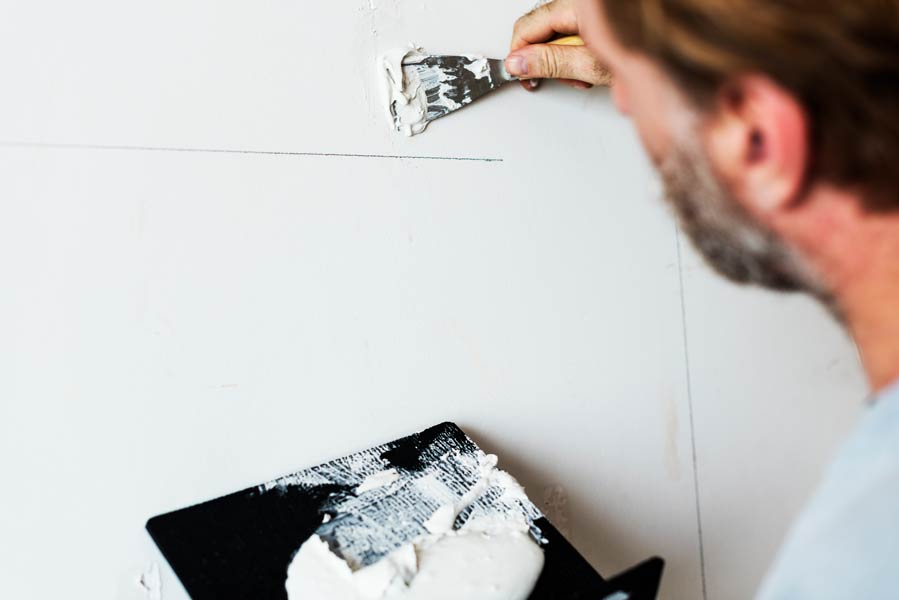
Drywall Repair in Lawndale, CA
Drywall repair is one of those services that looks simple until the patch is visible through fresh paint and the homeowner is back to square one. A filled hole that telegraphs through every sheen, a skim coat that reads as a different texture from the surrounding wall, a water-damaged section that was patched without addressing the moisture source—these are the results of drywall repair treated as a quick fix rather than a surface restoration process. VanArm handles drywall repair in Lawndale the right way: correct diagnosis, proper repair technique, and surface preparation that holds up under paint and scrutiny.
Why Drywall Repair Requires More Than Spackle and a Roller
Most drywall repair failures are not material failures. They're technique failures. Patching compound shrinks as it dries—one coat over a deep hole produces a visible depression once painted. Feathering a patch into surrounding texture requires skill and the right tools, not just a wider knife. Matching existing wall texture—whether it's orange peel, knockdown, smooth skim, or skip trowel—requires replicating a specific application technique, not approximating it with whatever spray can is on the hardware store shelf.
In Lawndale, where homes span mid-century plaster construction, 1980s contractor drywall, and modern smooth-finish new builds, drywall repair requires reading the surface correctly before touching it. The wrong approach on a plaster wall creates a repair that looks worse than the original damage. Proper drywall repair is a craft process—diagnose accurately, repair completely, blend invisibly.
Drywall Repair Services We Provide in Lawndale
Hole and Puncture Repair
Holes in drywall range from small fastener punctures to large access cuts left by plumbers, electricians, and HVAC contractors. Each size requires a different repair approach. Small holes under half an inch can be filled directly with lightweight compound and feathered smooth. Medium holes require a backing patch or mesh reinforcement before compound is applied. Large holes—anything requiring a cut-in patch—need a properly supported drywall section with taped and feathered joints, not a plug of compound that will crack and separate as the house moves. We assess hole size and location before selecting the repair method, not after the compound is already on the wall.
Crack Repair
Cracks in drywall fall into two categories: cosmetic and structural. Hairline cracks along seams and corners from normal settlement are cosmetic—they can be filled, taped where appropriate, and refinished. Recurring cracks that reappear after repair, diagonal cracks from door and window corners, and stair-step cracks following drywall seams require investigation before repair because they indicate movement that will re-crack a surface repair within months. We identify crack type and pattern before recommending repair scope. Filling a structural crack without addressing the cause is money spent twice.
Water Damage Repair
Water-damaged drywall is not a cosmetic repair problem. Drywall that has absorbed moisture—from a roof leak, plumbing failure, window seal failure, or condensation—loses structural integrity and becomes a mold risk. Painting over water-stained drywall without addressing the source, removing compromised material, and treating the surrounding area produces a repair that fails, stains through, and creates ongoing air quality concerns. Our water damage repair process starts with confirming the moisture source is resolved, removing all damaged material, treating affected framing and substrate where needed, installing new drywall, taping, finishing, and priming with stain-blocking primer before any topcoat is applied.
Drywall Tape and Seam Repair
Tape failures—bubbling, cracking, or separating seams—are among the most common drywall problems in Lawndale homes. Failed tape along wall-to-ceiling joints, corner bead separation, and seam cracking along stud lines all require the old tape to be fully removed before the repair is made. Skim coating over failing tape produces a repair that re-cracks along the same line. We remove failed tape completely, re-bed with the appropriate compound, apply new tape with proper embedment, feather and finish the joint correctly, and sand to blend with the surrounding surface.
Corner Bead Repair and Replacement
Metal and vinyl corner bead on outside corners takes impact damage from furniture, doors, and daily contact. Dented, cracked, or separated corner bead cannot be adequately repaired with compound alone—the underlying bead must be repaired or replaced before any finish work is applied. We straighten or replace damaged bead, secure it correctly to the framing or adjacent drywall, and finish the corner so it reads as a clean, sharp edge consistent with the surrounding surface.
Ceiling Repair
Ceiling drywall repair carries additional complexity because gravity works against the repair during application and any surface variation is highly visible in raking light from windows and fixtures. Cracks, water stains, and sagging sections on Lawndale home ceilings require the same diagnostic approach as wall repairs—understand what caused the problem before committing to a repair method. Popcorn and textured ceiling repairs require matching existing texture application technique, which varies significantly depending on when and how the original finish was applied.
Popcorn Ceiling Repair and Removal
Popcorn ceilings—common throughout Lawndale housing stock built between the 1950s and 1980s—present two distinct service needs. Localized popcorn repair after water damage or physical impact requires matching existing texture in a way that blends rather than patches visibly. Full popcorn removal is a separate process: wet scraping the texture, skim coating the ceiling to a smooth finish, priming, and painting. Popcorn ceilings applied before 1980 may contain asbestos—we advise testing before any scraping work begins, as disturbing asbestos-containing texture without proper abatement procedures is a health and liability issue, not just an inconvenience.
Skim Coating and Surface Restoration
Skim coating is the process of applying one or more thin layers of joint compound across an entire wall or ceiling surface to produce a smooth, uniform finish. It's the correct solution when a surface has extensive patching, texture that needs to be removed for wallpaper or decorative painting, or paint buildup and imperfections that spot repairs cannot adequately address. Skim coating done correctly produces a surface that is genuinely flat and paint-ready. Skim coating done incorrectly—too thick, too fast, without proper drying between coats—produces a surface that shrinks, cracks, and shows every trowel mark under paint.
Texture Matching
Texture matching is frequently the hardest part of a drywall repair to get right. Orange peel, knockdown, skip trowel, smooth, and sand finish textures all require different tools and application techniques—and the same texture type applied in different eras of Lawndale construction may have been applied with different materials and methods that affect how it reads visually. We test texture application on a sample area and compare under the room's actual lighting conditions before committing the match to the repaired surface. A repair that holds structurally but reads as a patch under light is not a complete repair.
Our Drywall Repair Process in Lawndale
The difference between a drywall repair that disappears under paint and one that's visible a week later is almost entirely in diagnosis and preparation. Our process starts with understanding what caused the damage before determining how to fix it.
Step 1 — Damage Assessment
Every drywall repair project starts with a thorough assessment of the damage and its cause. We identify repair type, size, and scope; look for signs of recurring movement, moisture, or structural issues that could compromise the repair; check for failed tape, compromised compound, or previous repairs that need to be removed before new work begins; and confirm that any moisture source contributing to the damage has been fully resolved before repair proceeds. Repairing drywall without understanding what caused the damage is a short-term fix with a predictable failure timeline.
Step 2 — Preparation and Damage Removal
Drywall repair preparation involves more than cleaning the area around the damage. Depending on scope, our preparation process includes:
- Cutting out damaged, wet, or structurally compromised drywall sections cleanly to solid material
- Removing failed tape, loose compound, and previously applied patches that are not properly bonded
- Treating framing, blocking, or substrate for moisture or mold where water damage is involved
- Installing backing or support blocks for cut-in patch sections to ensure patch panels have proper fastening points
- Cleaning and lightly sanding surrounding areas to improve compound adhesion at feather edges
Step 3 — Repair and Patching
Repair method is matched to damage type and size. Small holes are filled in stages with lightweight compound, allowing proper drying between coats to eliminate shrinkage depressions. Medium holes use mesh or backing patches set in compound before finish coats are applied. Large cut-in patches use properly supported drywall sections with fiberglass mesh tape over joints, bedded in setting compound, and finish-coated with lightweight compound for a smooth, feathered edge. Tape repairs are re-bedded with the appropriate compound type for joint depth and location. Every repair is built in stages—not as a single heavy application that shrinks, cracks, and telegraphs through paint.
Step 4 — Finishing and Feathering
Finishing is where drywall repair either disappears or becomes permanent. Each coat of compound is applied thinner and wider than the previous coat, feathering the repair edge progressively into the surrounding surface. Between coats, compound dries fully before the next layer is applied—not just surface-dry, but through-dry. Final sanding is done in stages, from coarser grits to fine, with dust vacuumed thoroughly between passes. The finished surface must be flat to the surrounding wall, smooth at the feather edge, and free of trowel marks, ridges, and sanding scratches before priming begins.
Step 5 — Texture Matching
Once the repair is finished and sanded, texture is applied to match the surrounding surface. We test the texture match on a sample board or inconspicuous area first, compare under the room's actual lighting, adjust technique or material as needed, and apply to the repaired area only once the match is confirmed. Texture application that doesn't match the surrounding surface exactly defeats the purpose of the repair—the goal is invisibility, not approximation.
Step 6 — Priming and Paint Preparation
Repaired drywall sections must be primed before painting. Unprimed compound is porous and absorbs paint unevenly, producing a visible dull spot—called flashing—where the repair is located even after multiple paint coats. We apply a PVA drywall primer or stain-blocking primer appropriate to the repair type, sand lightly after priming where needed, and confirm the surface is genuinely paint-ready before handing it off. If VanArm is also handling the painting, this step flows directly into paint application. If the homeowner is painting independently, we deliver a primed, ready surface—not bare compound.
Common Drywall Repair Mistakes We Correct in Lawndale
A significant portion of our Lawndale drywall repair work involves correcting repairs that were done incorrectly—whether by a previous contractor, a handyman, or a motivated DIY attempt. The most common problems we correct:
- Compound applied in a single heavy coat that has shrunk, cracked, and separated from the surrounding surface
- Patches that are flat but the surrounding texture was not matched, leaving a visually obvious repaired area
- Failed tape that was skim coated over rather than removed, causing the seam to re-crack along the same line
- Water-stained repairs where the compound was painted over without stain-blocking primer, allowing the stain to bleed through subsequent paint coats
- Holes patched with spray foam or backing material that wasn't properly finished, leaving surface irregularities under paint
- Repairs on moisture-damaged walls where the source was never addressed, causing the new repair to fail from ongoing moisture exposure
Correcting these properly means removing what was done incorrectly, repairing from a sound substrate, and finishing correctly from that point forward. There is no shortcut through a bad repair—only through it.
Drywall Repair Before Painting in Lawndale
Drywall repair and interior painting are closely linked services, and the sequence matters. Paint applied over unprimed, unsanded, or incompletely dried repairs produces visible results that no amount of additional paint coats will correct. VanArm handles drywall repair and interior painting as an integrated process when both are needed—repairs are completed, primed, and confirmed ready before any paint is applied to the room. Homeowners who need both services benefit from a single point of accountability and a finished result where repairs are genuinely invisible rather than disclosed by the paint finish.
Drywall Repair for Lawndale Rental and Investment Properties
Rental turnovers and pre-sale property preparation in Lawndale consistently involve drywall repair as a core scope item. Tenant damage, fastener holes from mounted fixtures and wall art, doorknob impacts, and general wear accumulate over tenancy periods and require complete remediation before a unit can be shown or re-leased at market rate. We work with Lawndale landlords, property managers, and investors on turnover repair scopes that are priced accurately, scheduled efficiently, and completed to a standard that holds up under the scrutiny of prospective tenants and buyers.
How Long Does Drywall Repair Take in Lawndale?
Drywall repair timelines are driven almost entirely by drying time between compound coats—not by labor time. A patch that requires three coats of compound with full drying between each coat takes a minimum of two to three days to complete correctly, regardless of how small the repair is. Same-day drywall repair that skips proper drying time between coats produces a repair that looks acceptable on day one and fails visibly by the end of the week as compound continues to cure and shrink. We give homeowners accurate timelines upfront—including the drying time requirements that are non-negotiable in the repair process—and we don't compress those timelines to finish faster.
Get a Drywall Repair Estimate in Lawndale
VanArm provides free drywall repair estimates for homeowners, landlords, and property managers throughout Lawndale and the greater Los Angeles area. We assess the damage, identify any underlying causes that need to be addressed, explain the repair process and timeline accurately, and provide a clear written scope before any work begins. No vague estimates, no surprise scope additions once the job starts.